




Zhengzhou Liuzhuang Urban Development Museum by HYP-ARCH CONSULTANTS
posted by retail design blog on 2026-06-24
Zhengzhou
Add to collection
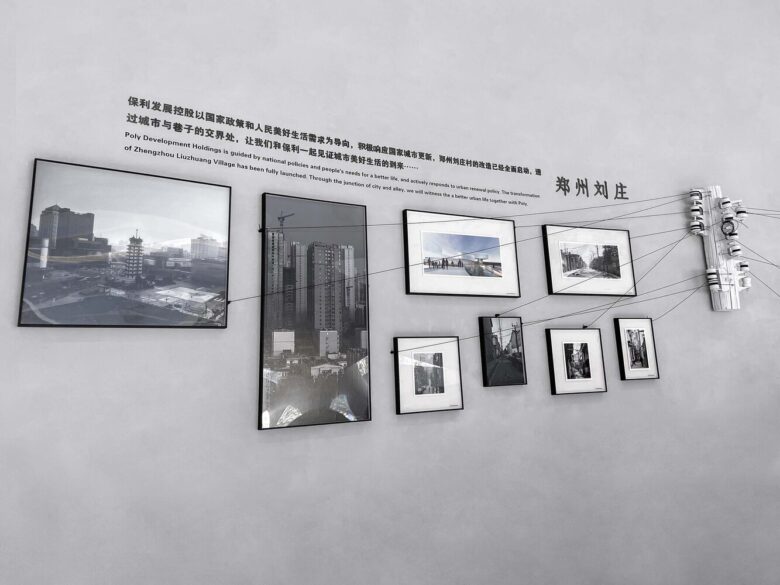
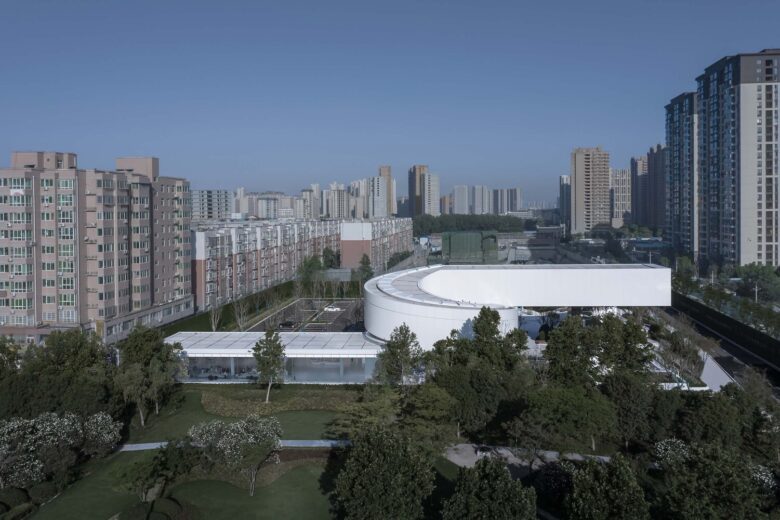
China’s urban development has undergone great changes over the past 40 years since the reform and opening up. Located to the south of the intersection of Huayuan Road and Lian-Huo Expressway, LiuZhuang is near the North Passenger Station and used to be the northernmost urban village of the north ring of Zhengzhou. This place has attracted nearly 300,000 “people who come to work and live in Zhengzhou” for the urban construction of Zhengzhou, where countless people meet and then go their separate ways. Since the demolition began around 2016, tremendous changes have taken place here.
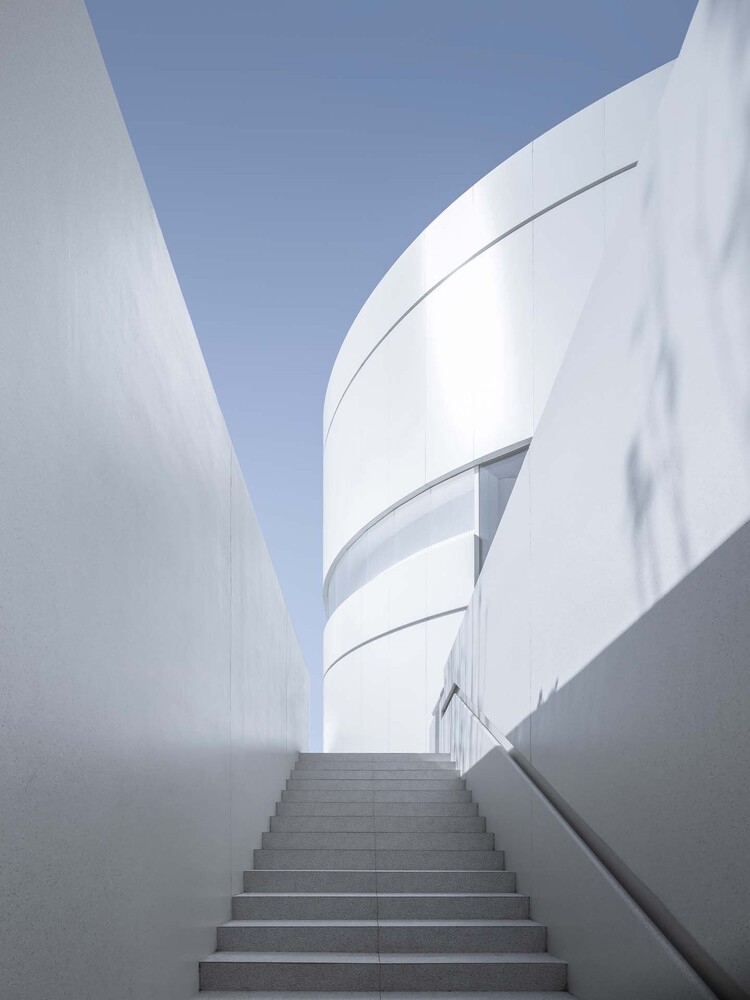
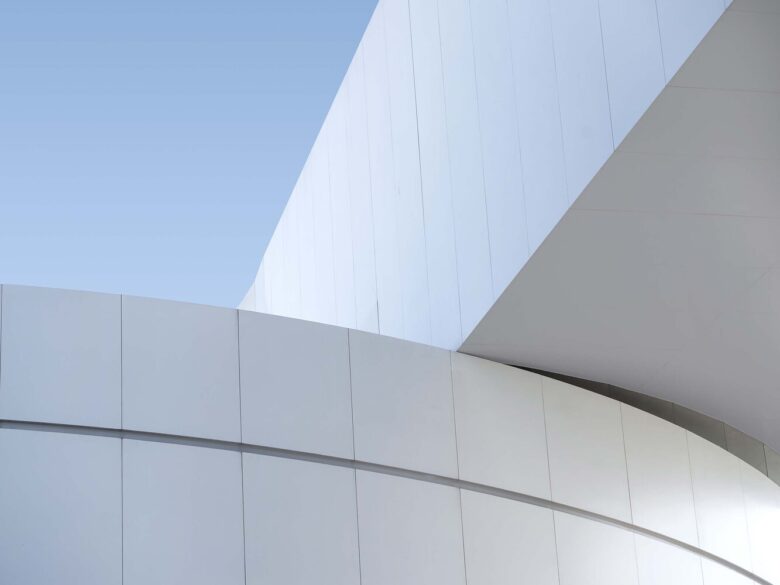
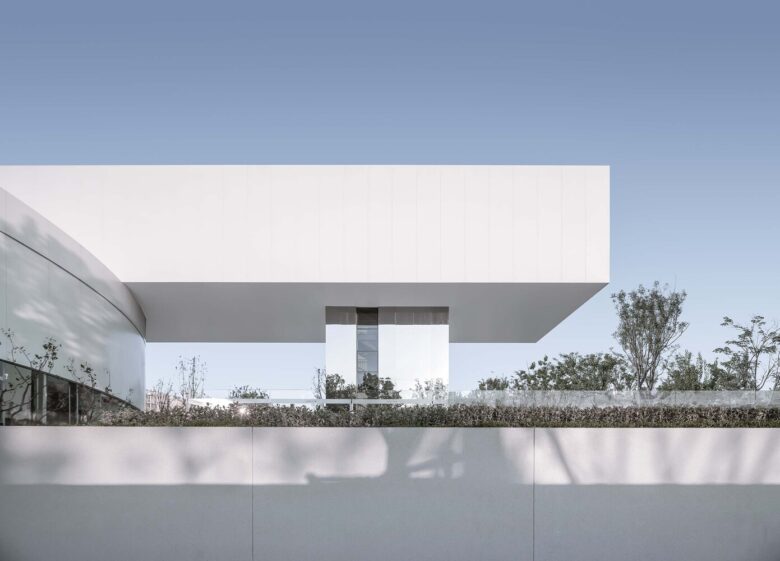
The project aims to develop an urban development museum for this region, and this period of history is the gene that is unique to this region. Our design hopes to record and interpret the story in a new architectural form in line with the times.
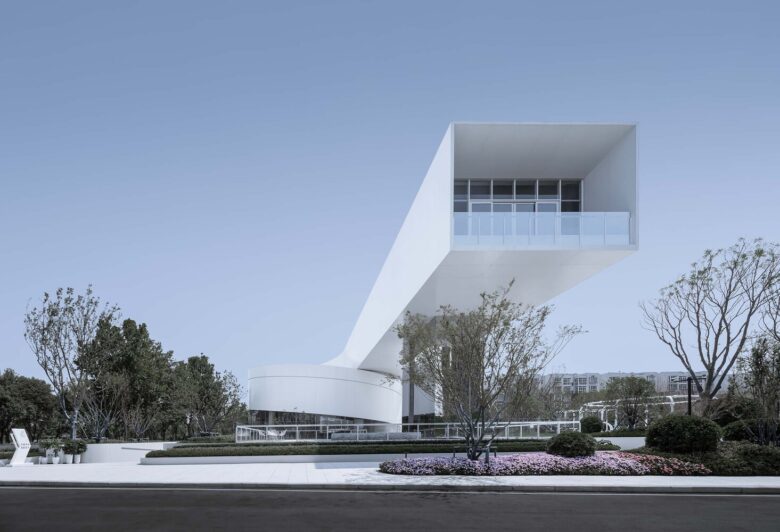
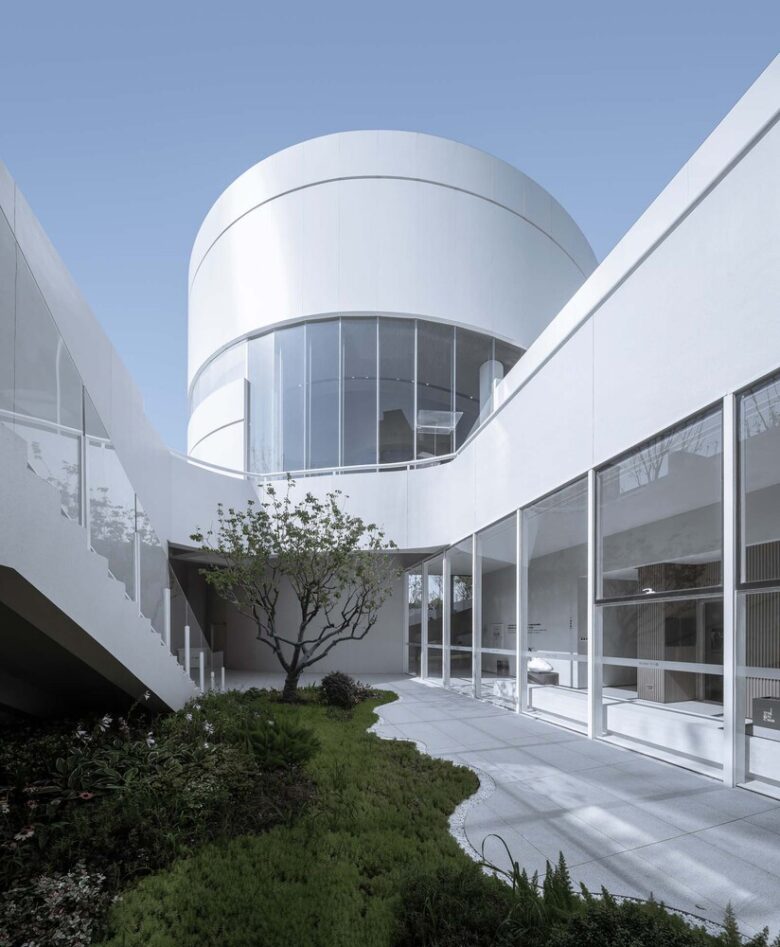
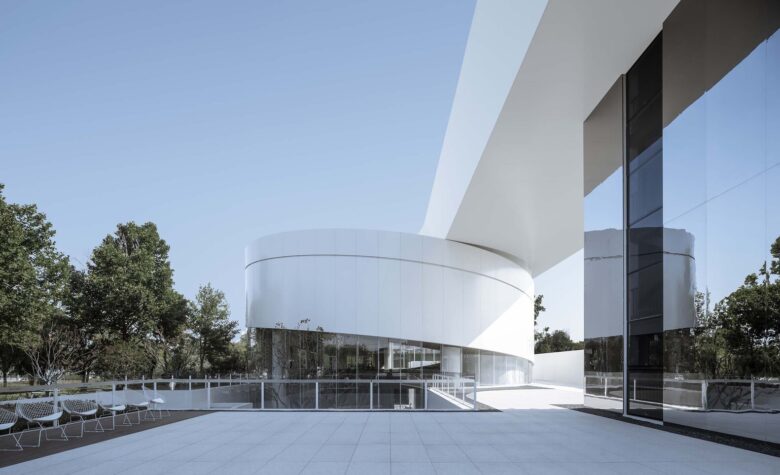
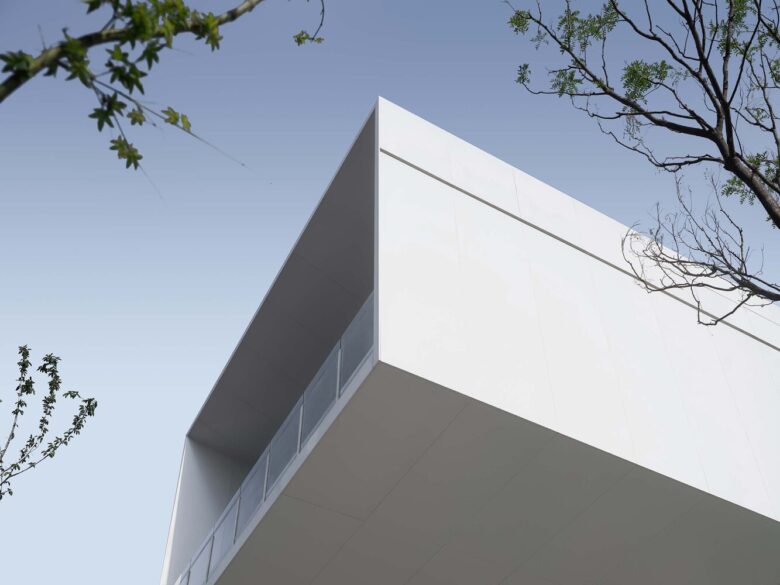
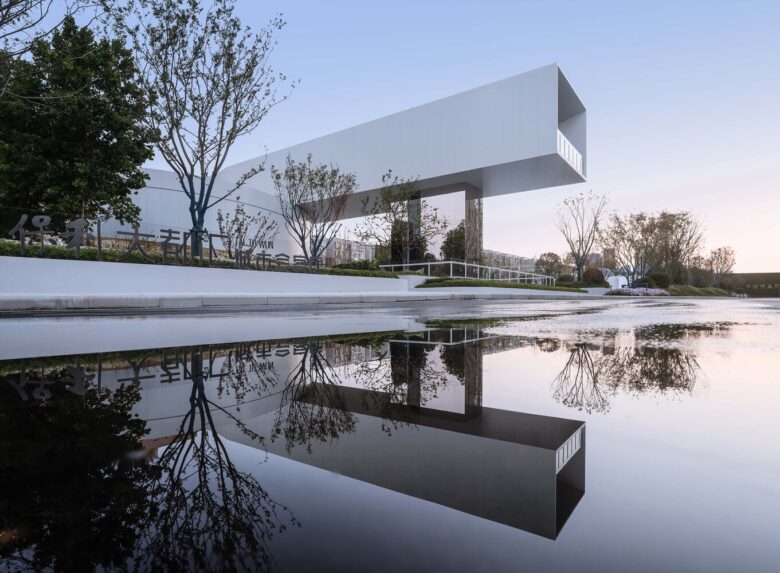
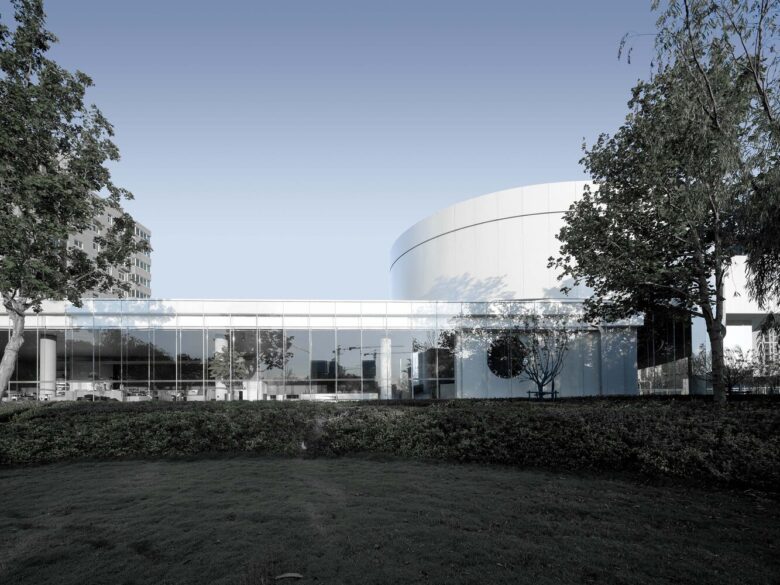
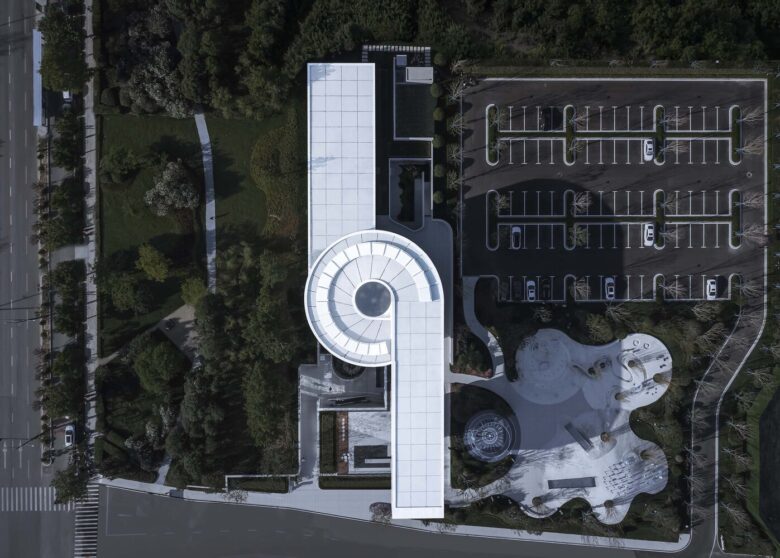
The project site is a “non-standard” strip of land 29 meters wide and 115 meters long, which is different from the shape of general urban public building land. During the implementation of the scheme, we find that such a narrow strip of land points to the north and south, and the linear ends of the north and south point to the old town and the new town of Zhengzhou. The special shape gives the site a historical coincidence, so we want to show respect for the property of the site in the design. We make the north-south linear space with a node in the middle, and this node is the development of the times. This is where urban development meets prosperity, which we call the “node of the times”.
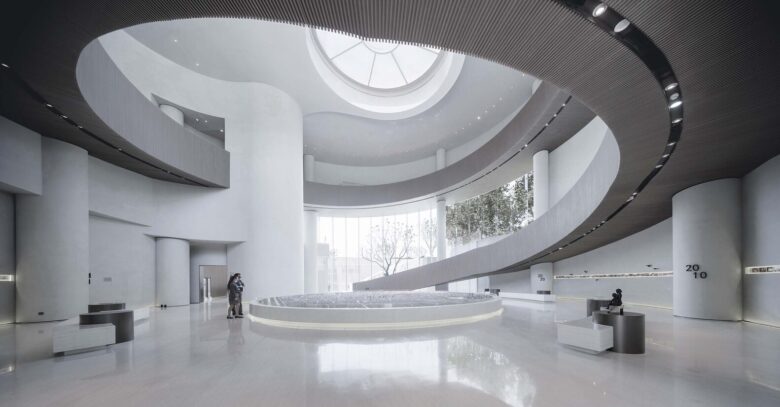
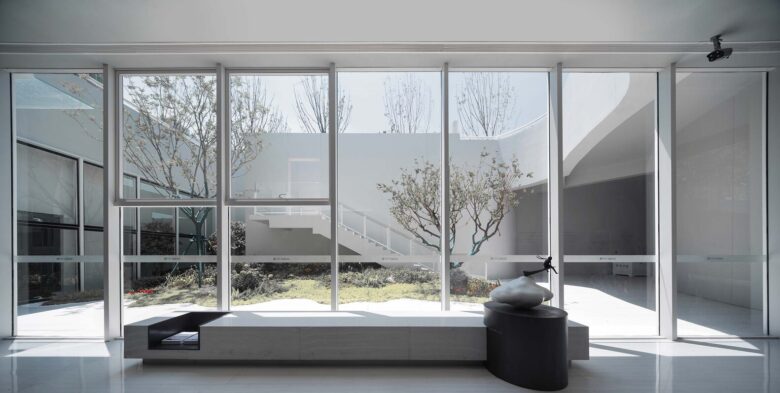
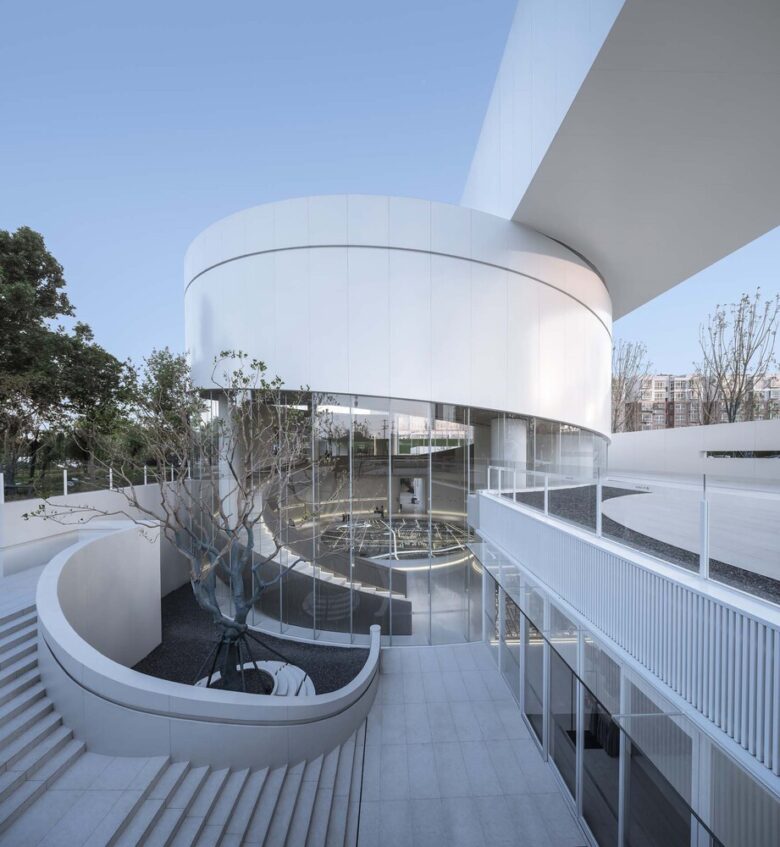
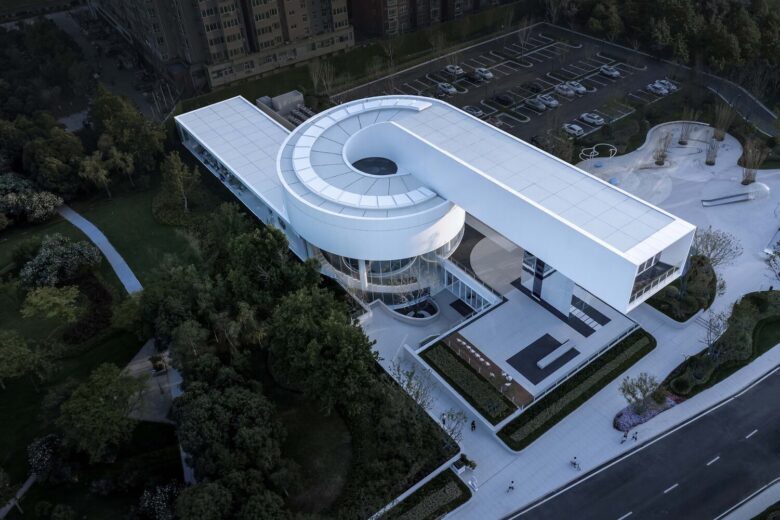
The whole building has three floors, namely one underground floor and two aboveground floors. The total construction area is about 3,100 square meters.The first floor above the ground is mainly designed for the central exhibition area and the public rest area, the second floor above the ground is the upper area of the central exhibition area and the immersive exhibition area, and the floor underground is arranged for the lower area of the central exhibition area, the multi-function exhibition hall and the logistics office area.The particularity of the architectural form prompts the zoning design of each floor with unique functions and characteristics, while ensuring that each floor can share the core central exhibition hall conveniently.
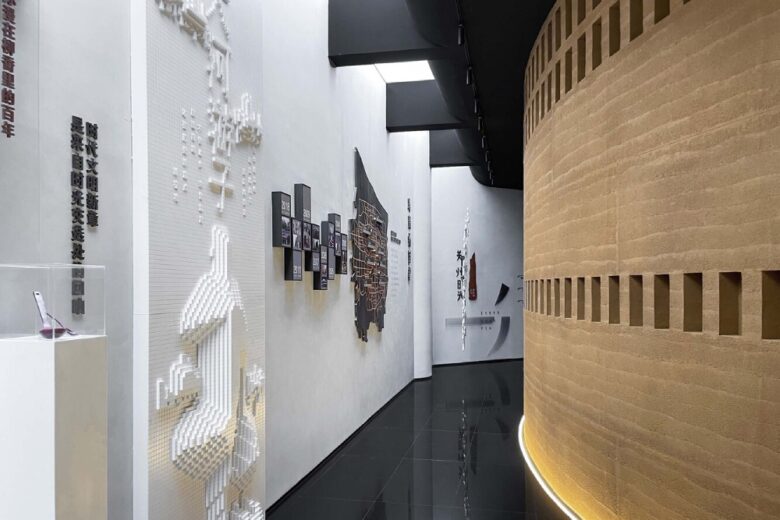
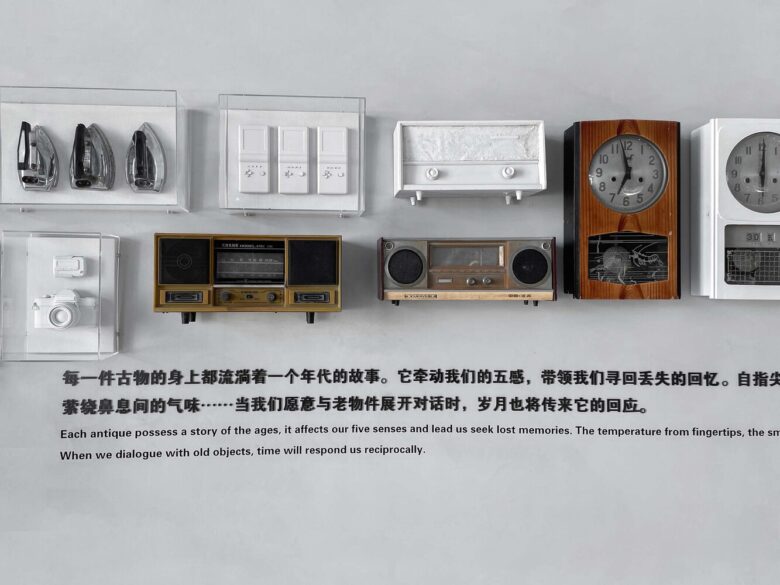
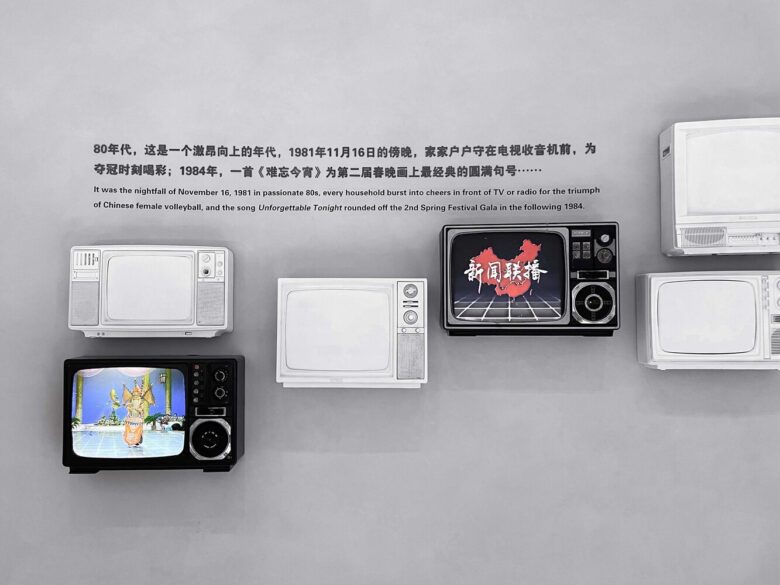
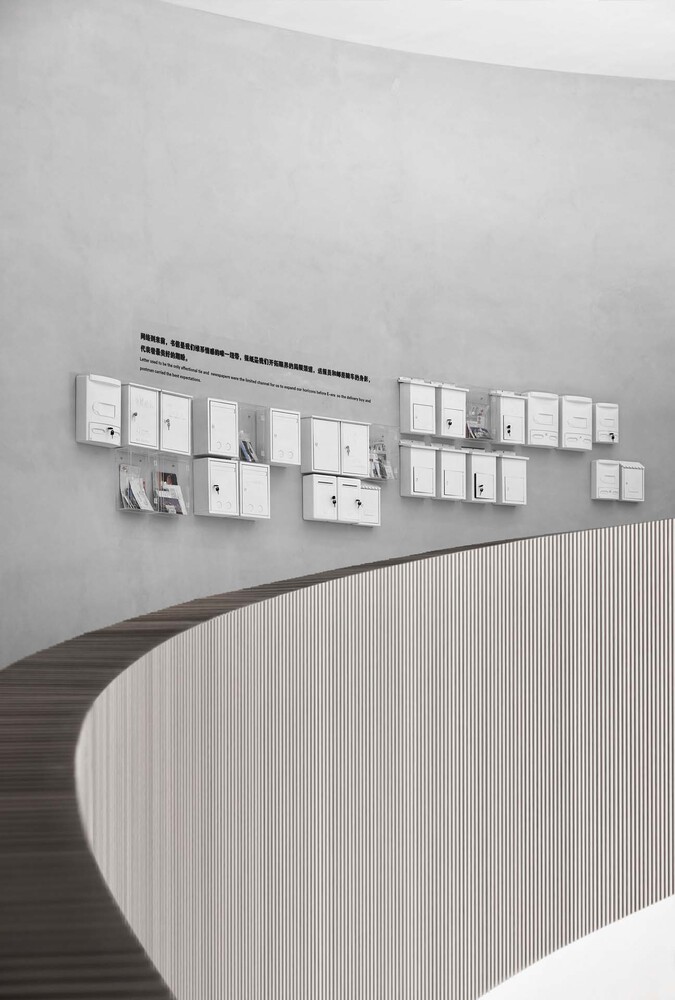
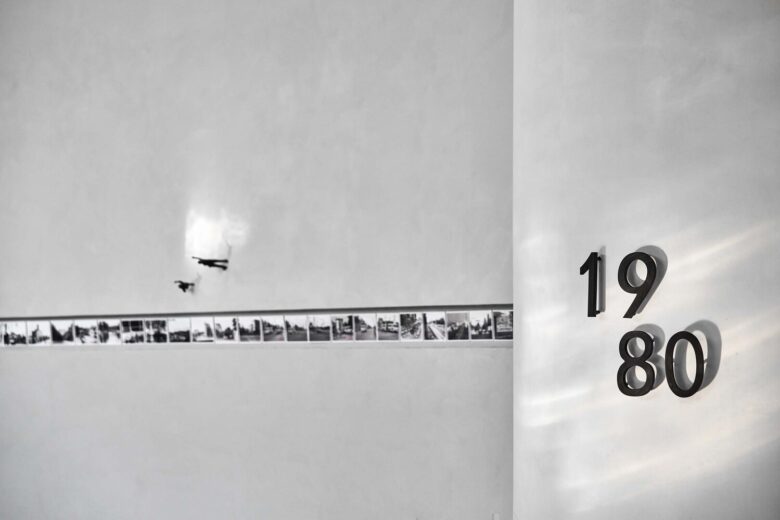
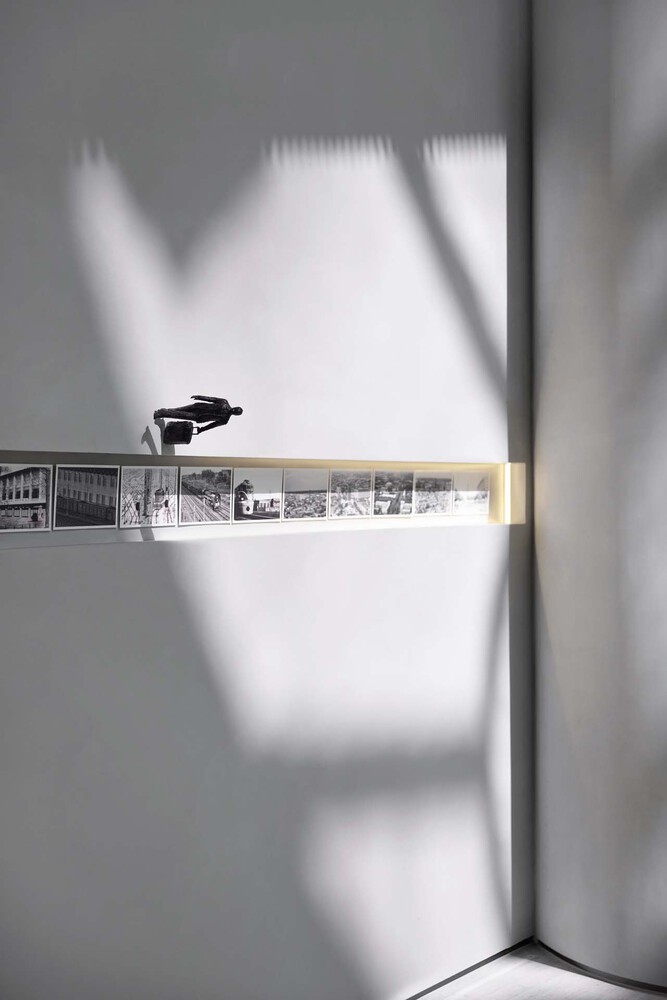
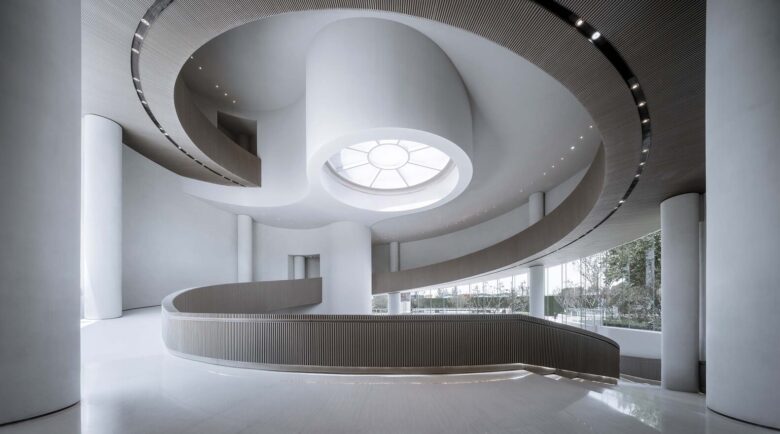
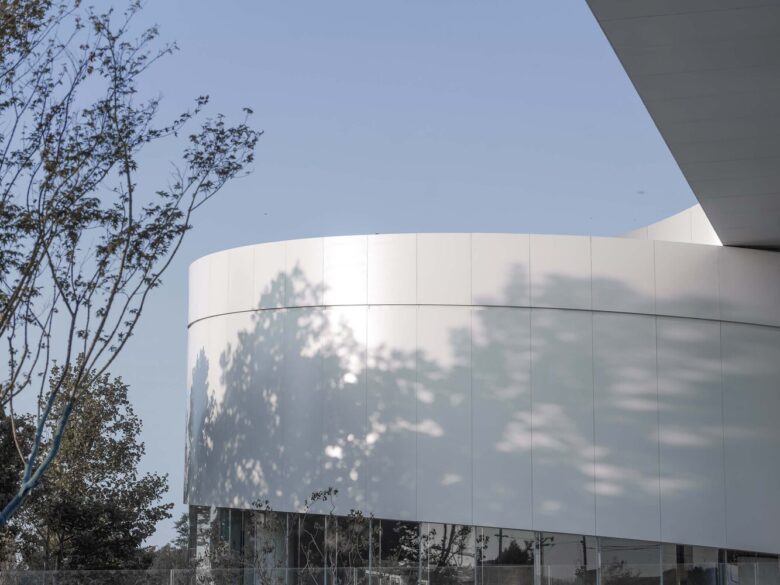
A central space that spirals across the building is presented on the facade and the interior to ensure the unity of the scheme. This spiraling space assumes a core transportation function with a three-story height, while providing a visiting space to showcase the historical development. As people walk down the spiral space, they can read the historical stories on the wall.A circular skylight at the top provides plenty of light to the interior lobby, as well as light and shadow on the spiral staircase. Light and shadow change throughout the day, just like historical nodes that are constantly lit up.
Architects: HYP-ARCH CONSULTANTS
Lead Architects: He Yi, Xingkai Zhang
Design Team: Jiefeng Yang, He Yi, Xingkai Zhang, Zhenhai Ding, Yutao Wang, Tong Tong, Huatao Wang, Wenhao Shi, Fangbing Xu, Si Gu, Zihao Cai
Photographs: SUNNY NEUHAUS PARTNERSHIP


Add to collection