





Add to collection
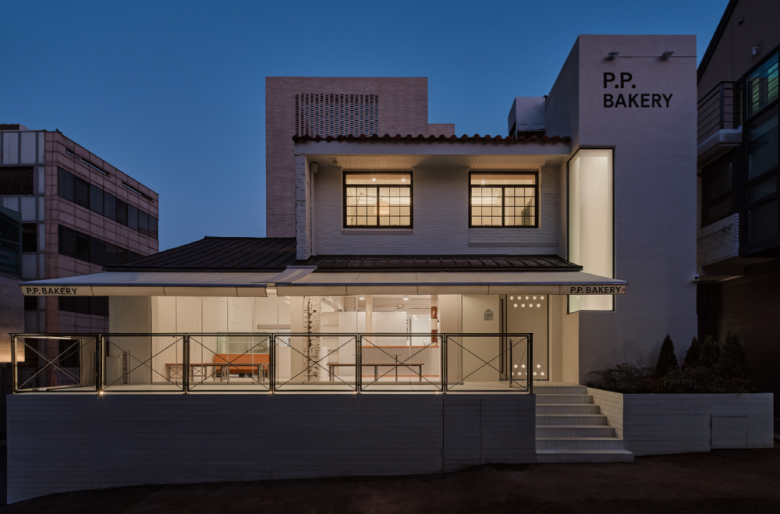
Old buildings always carry traces of time. Rather than erasing them, P·P·Bakery begins by accepting these traces as its premise. The project focuses on deciding what to add on top of what already exists—its structure, materials, and accumulated layers of use.
This approach recalls the logic of printmaking, where subtle differences emerge through repeated impressions. Here, new decisions are layered over the existing framework, allowing the space to form gradually over time. Printmaking functions not as a literal concept, but as a guiding perspective for determining what to preserve and what to introduce.
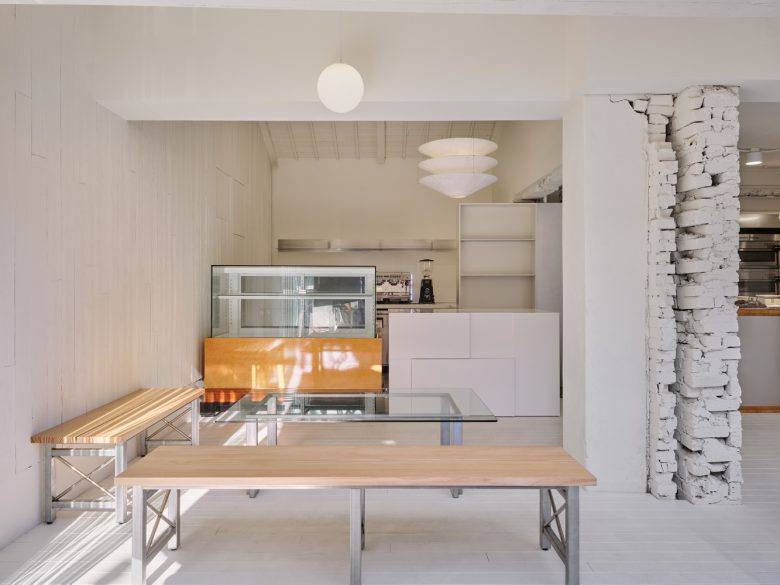
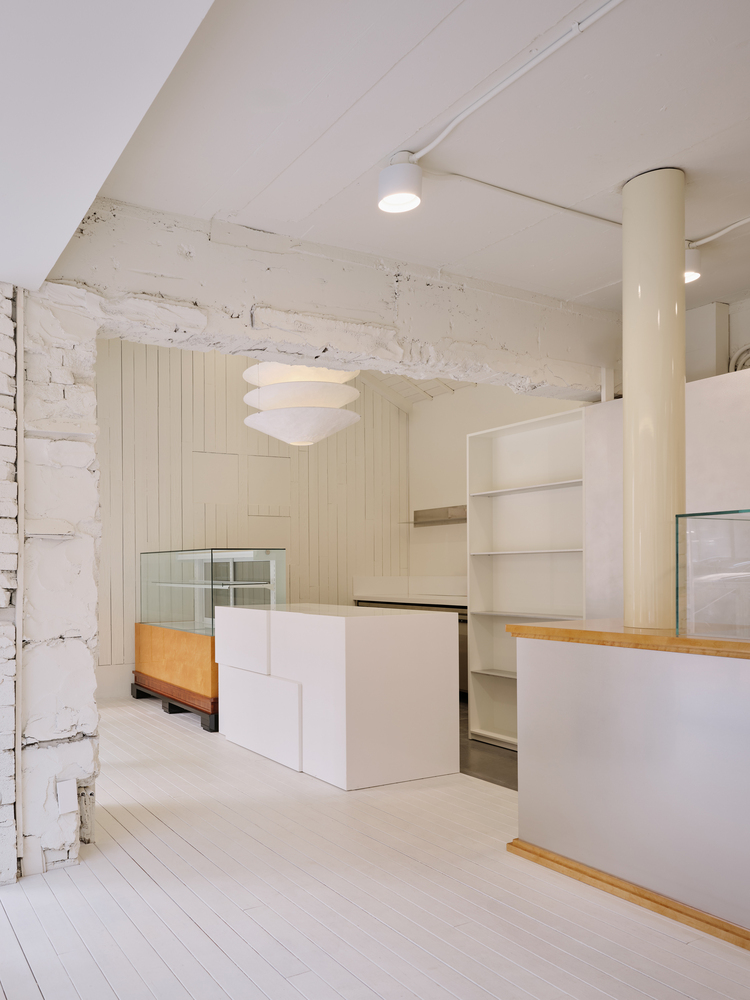
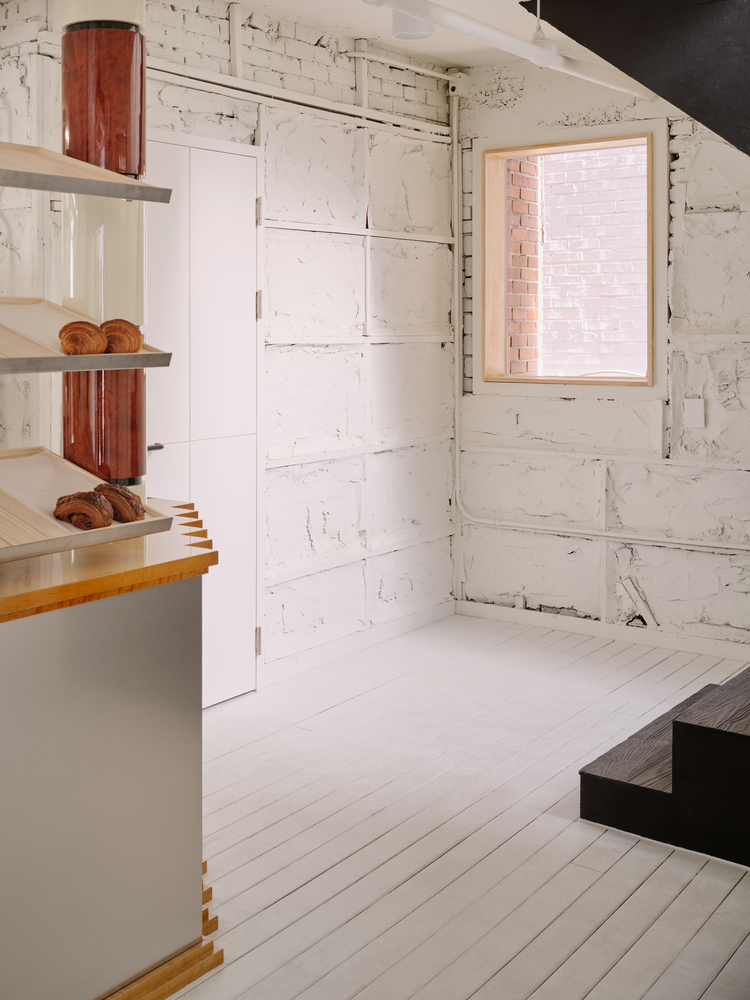
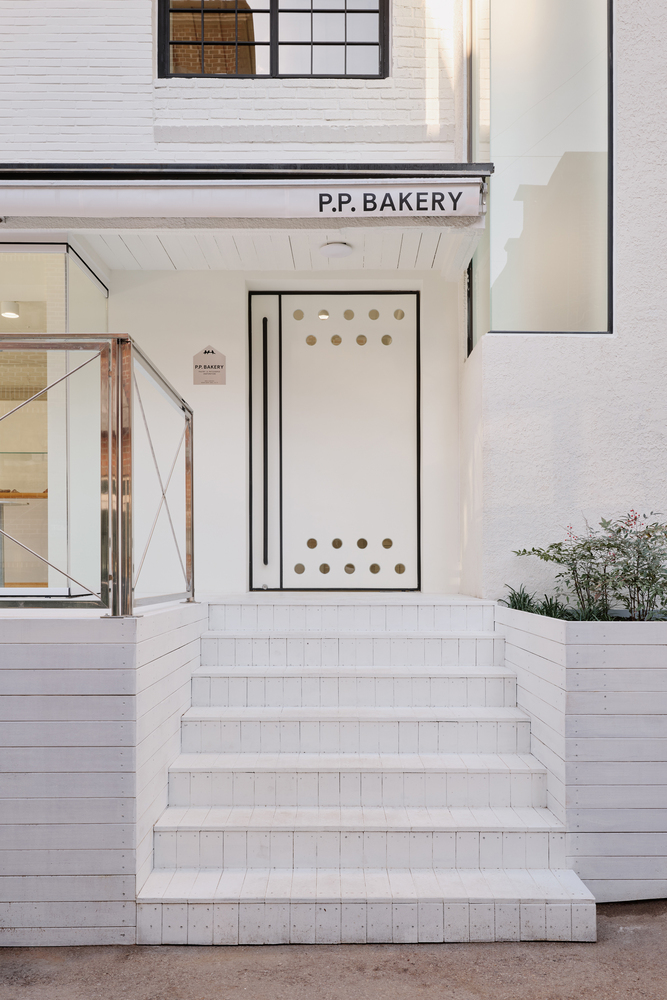
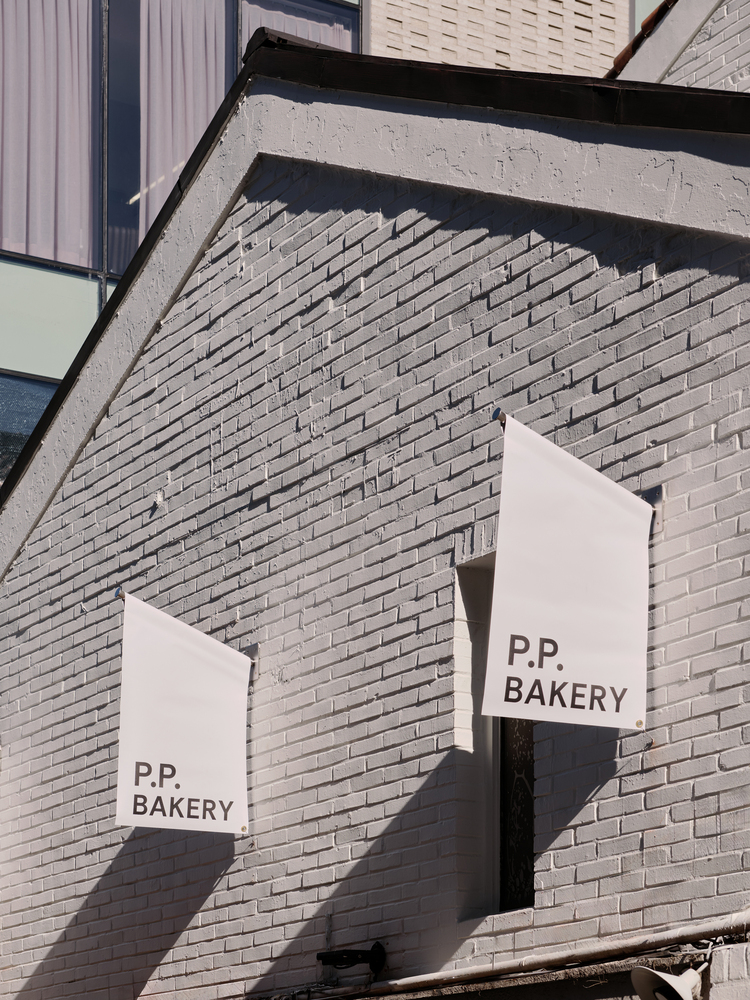
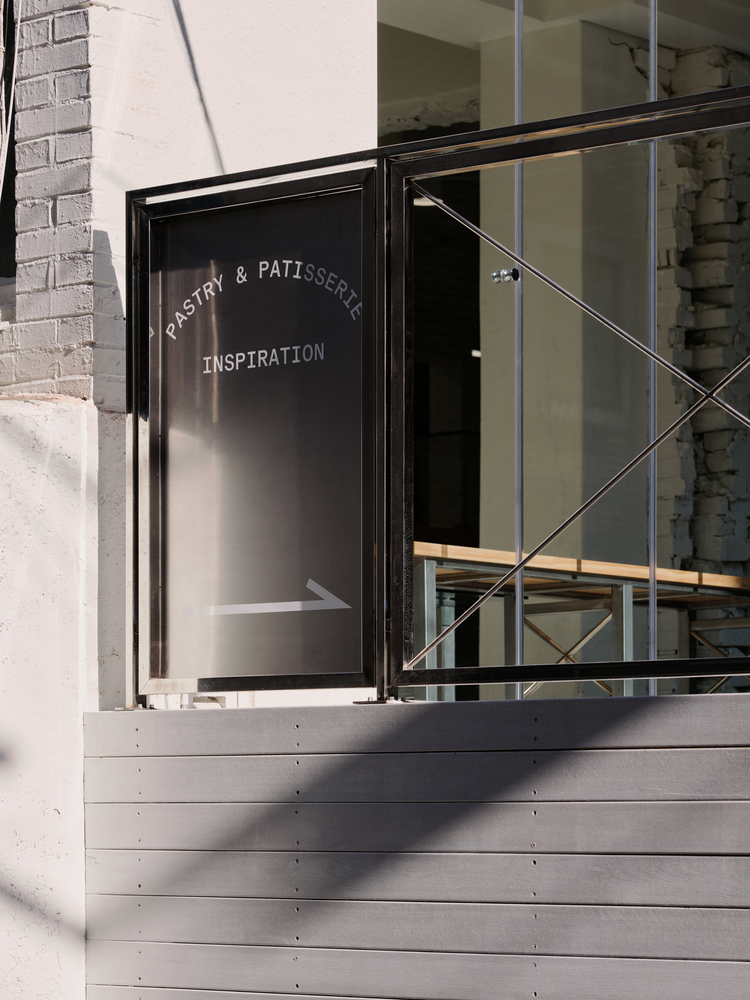
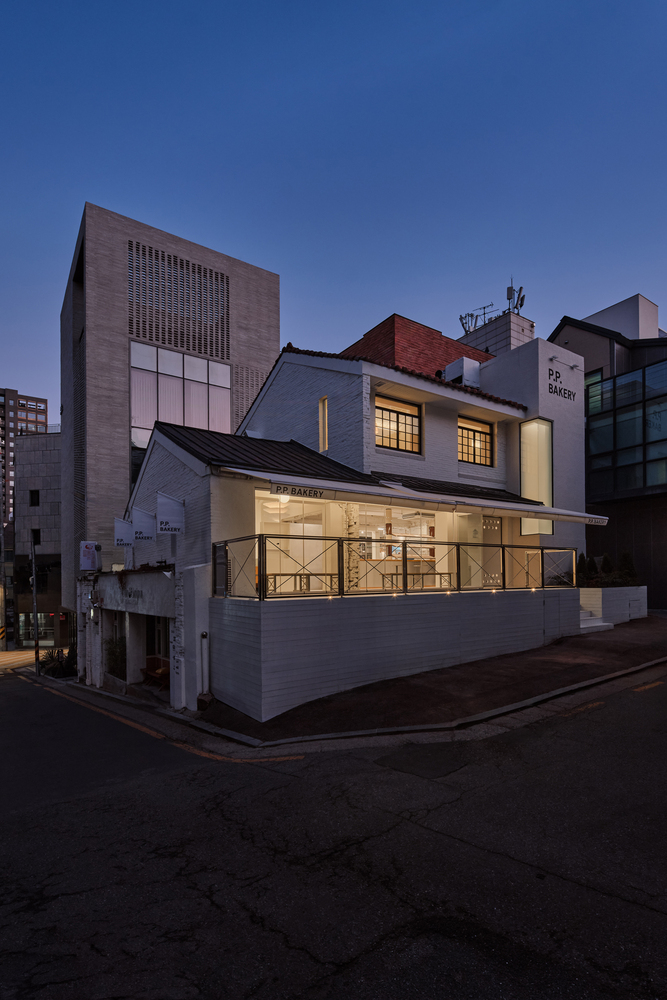
From the street, the bakery maintains the original grain of the old building. Brick textures and marks of time are left visible and unified through white paint, expressing an attitude of working within the building’s given conditions rather than transforming its form.
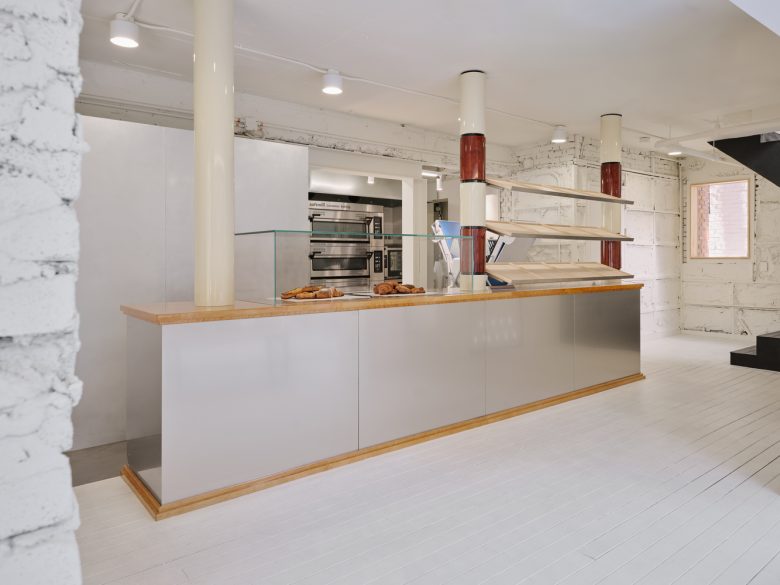
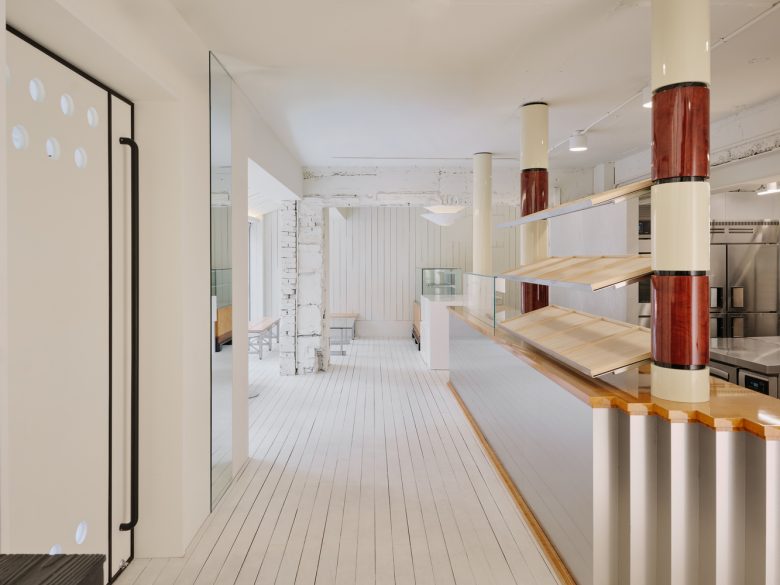
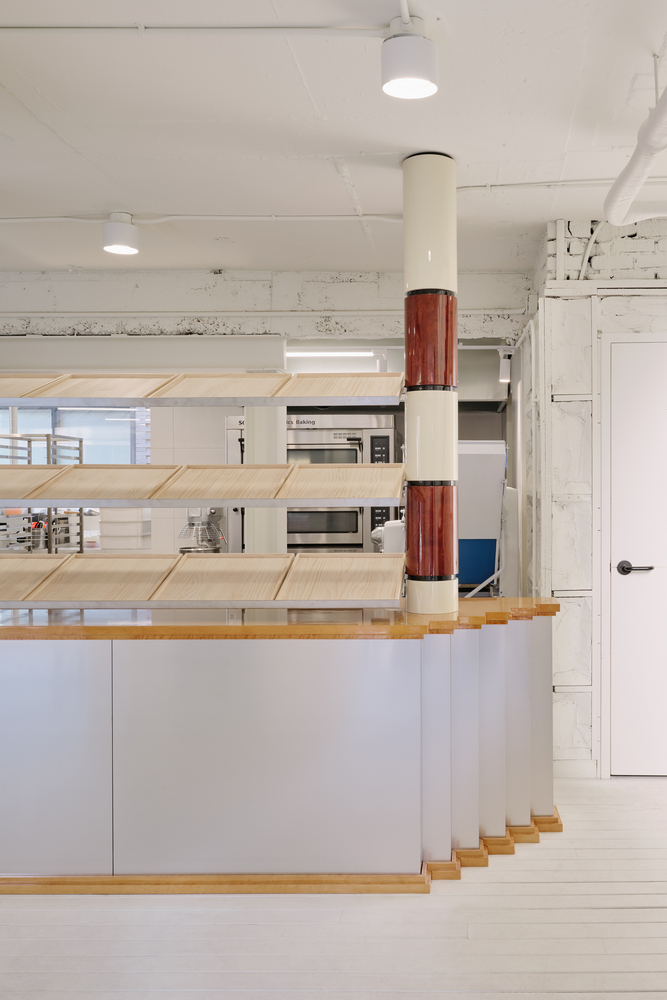
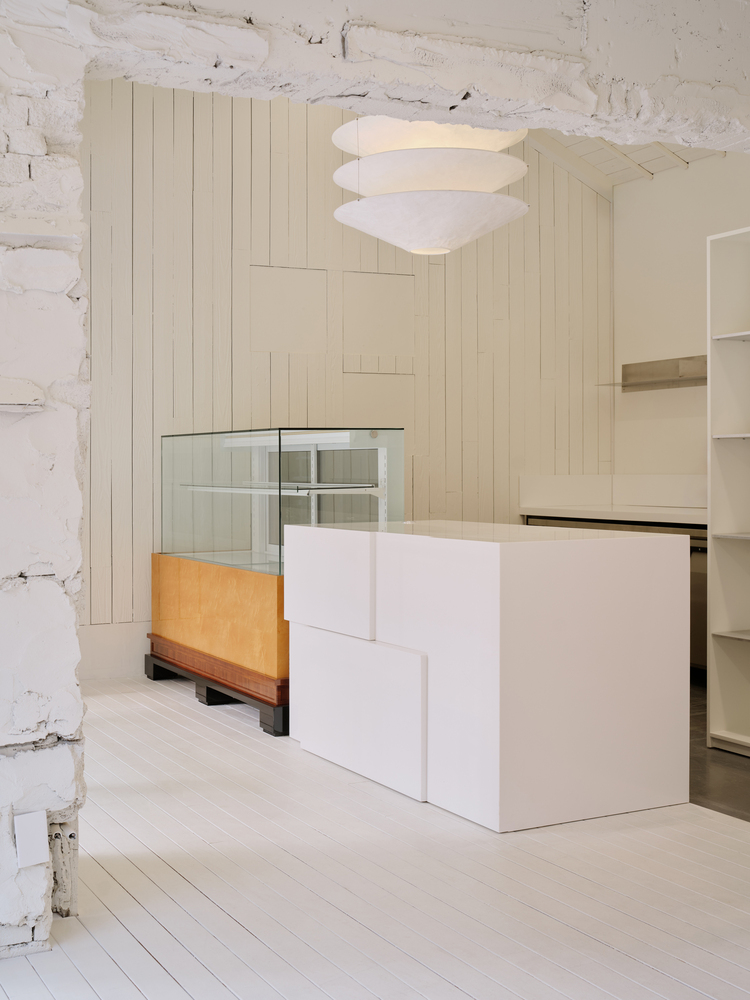
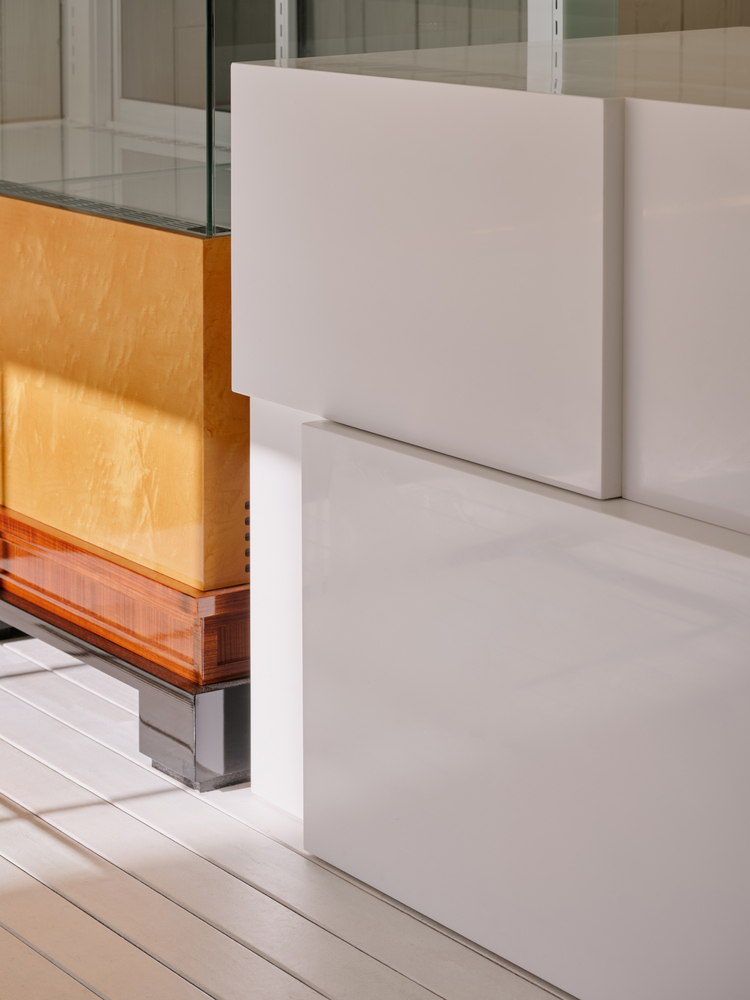
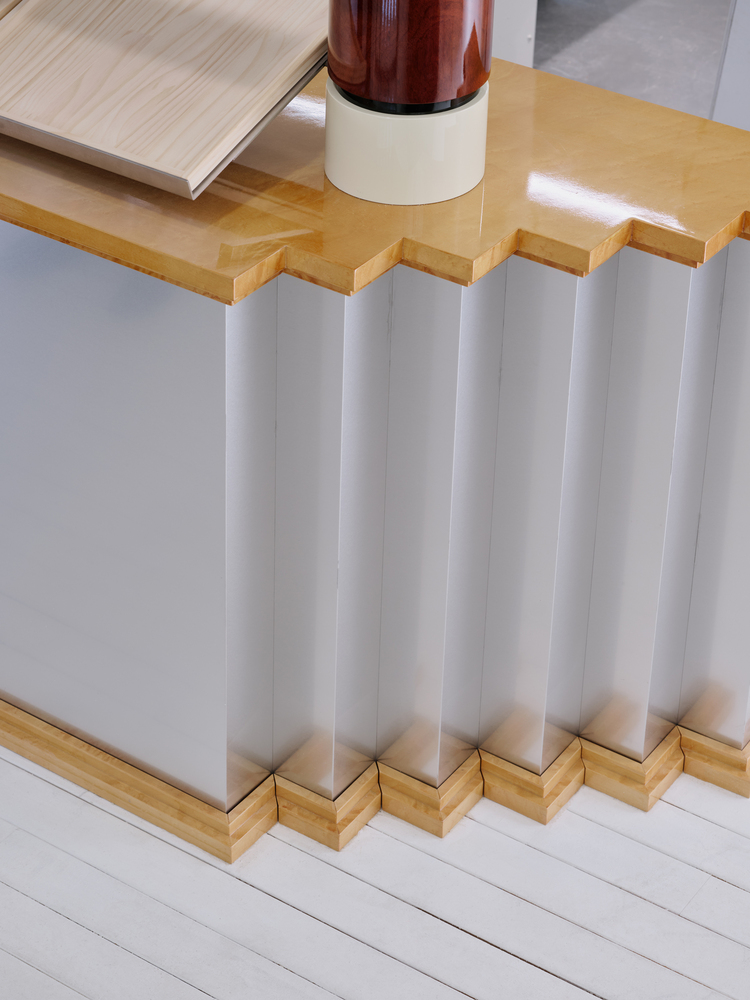
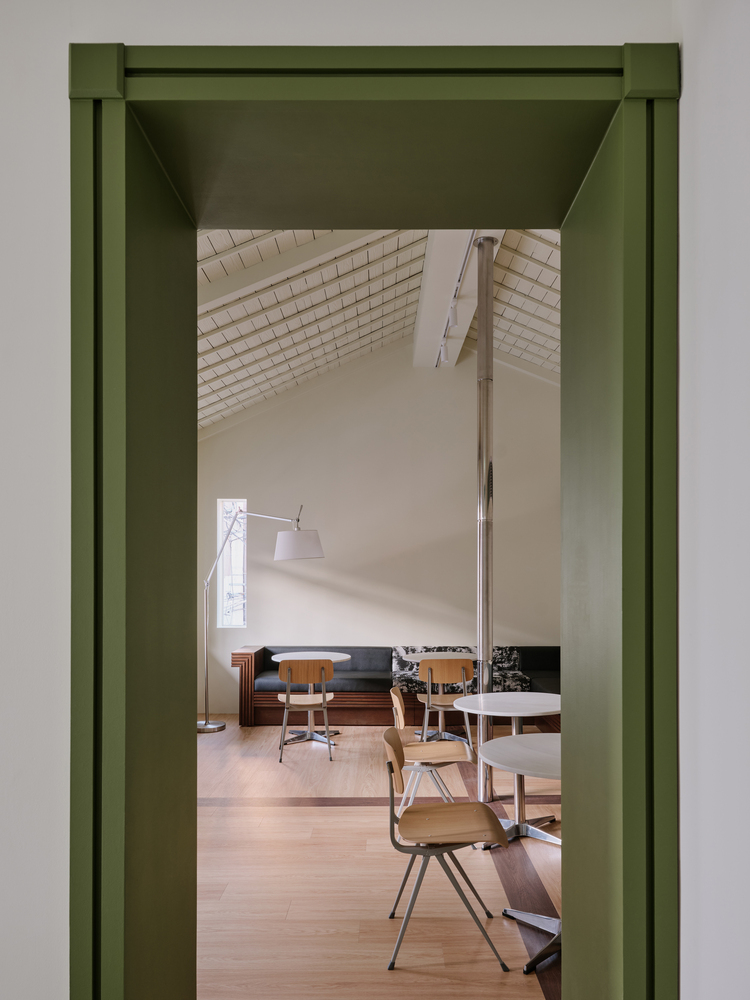
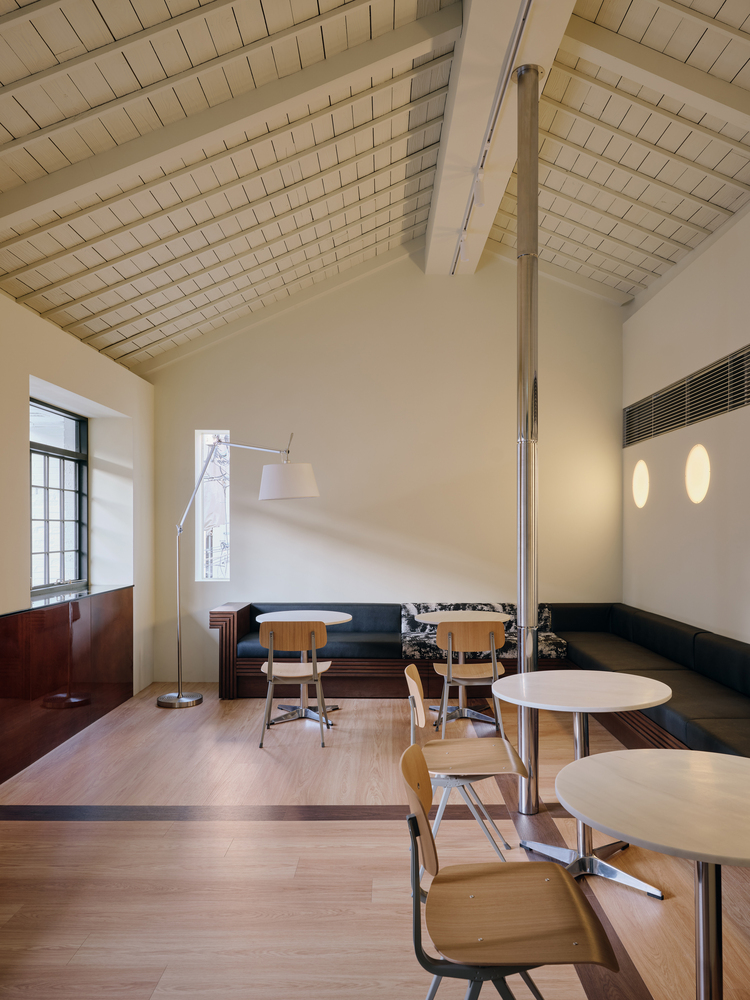
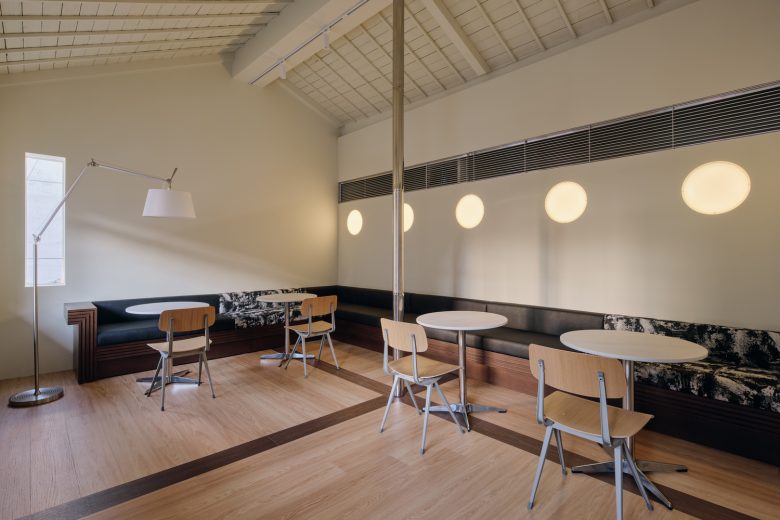
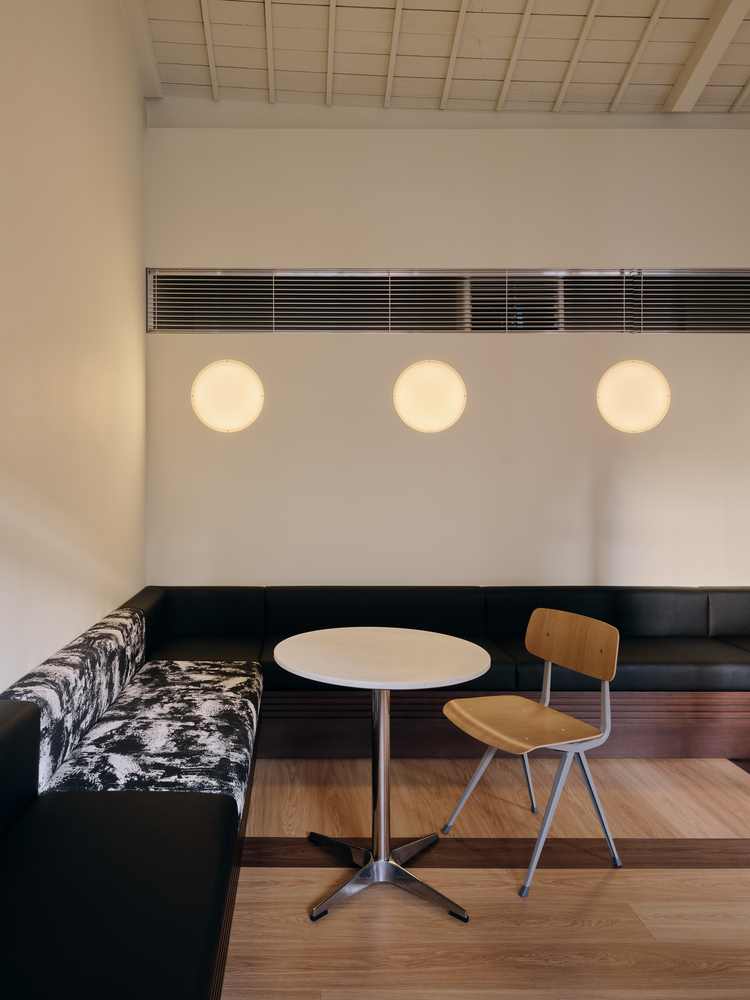
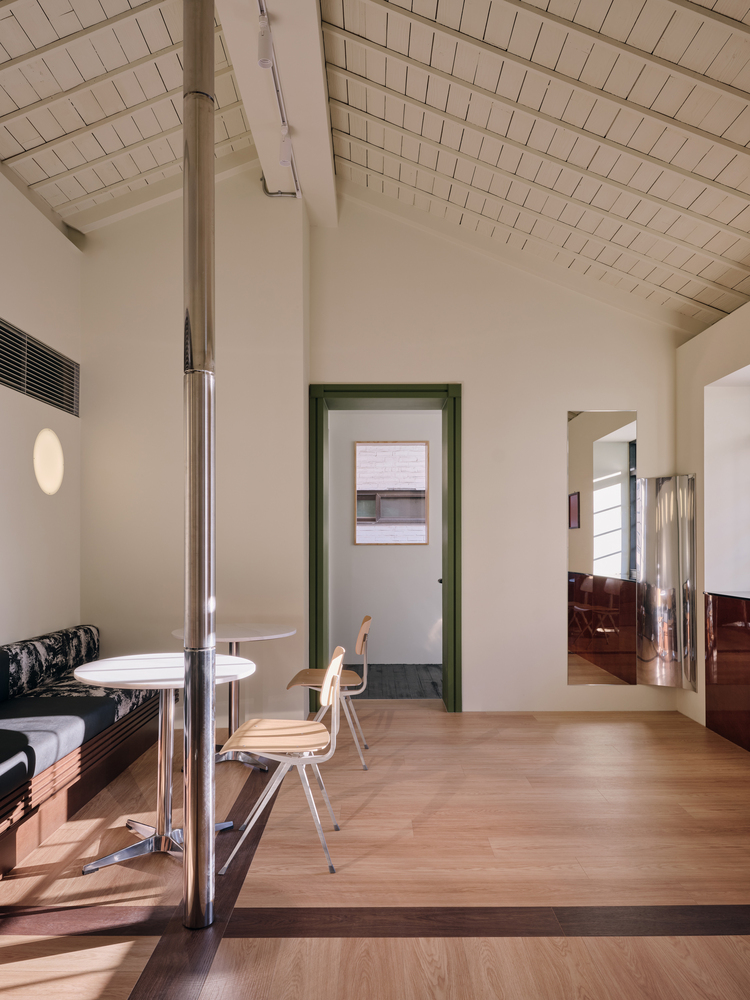
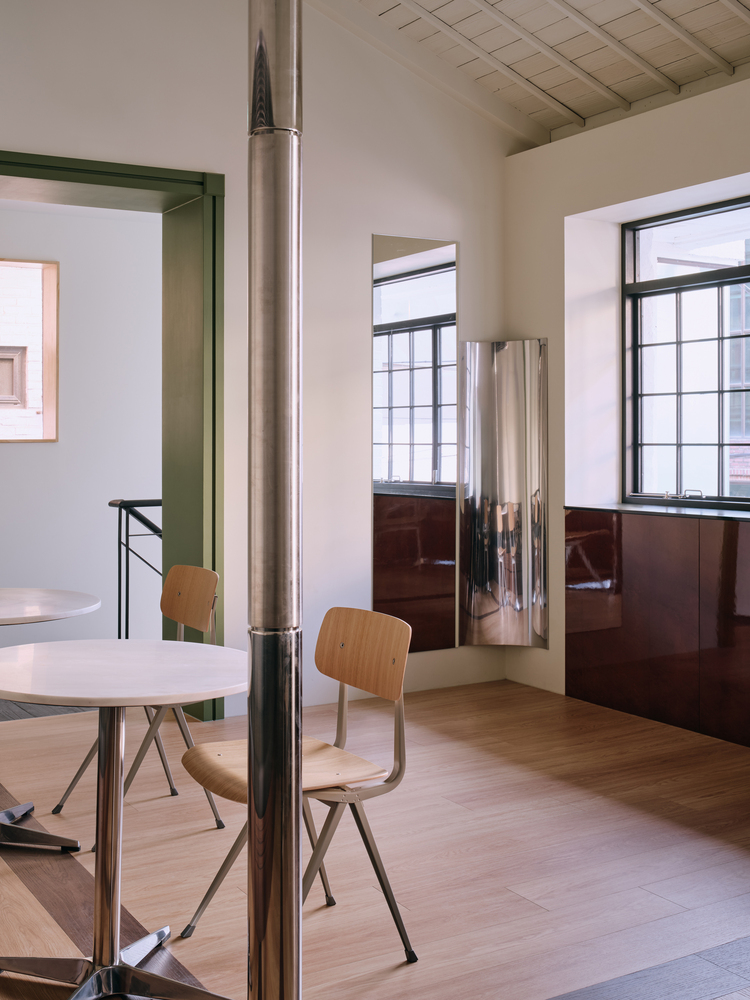
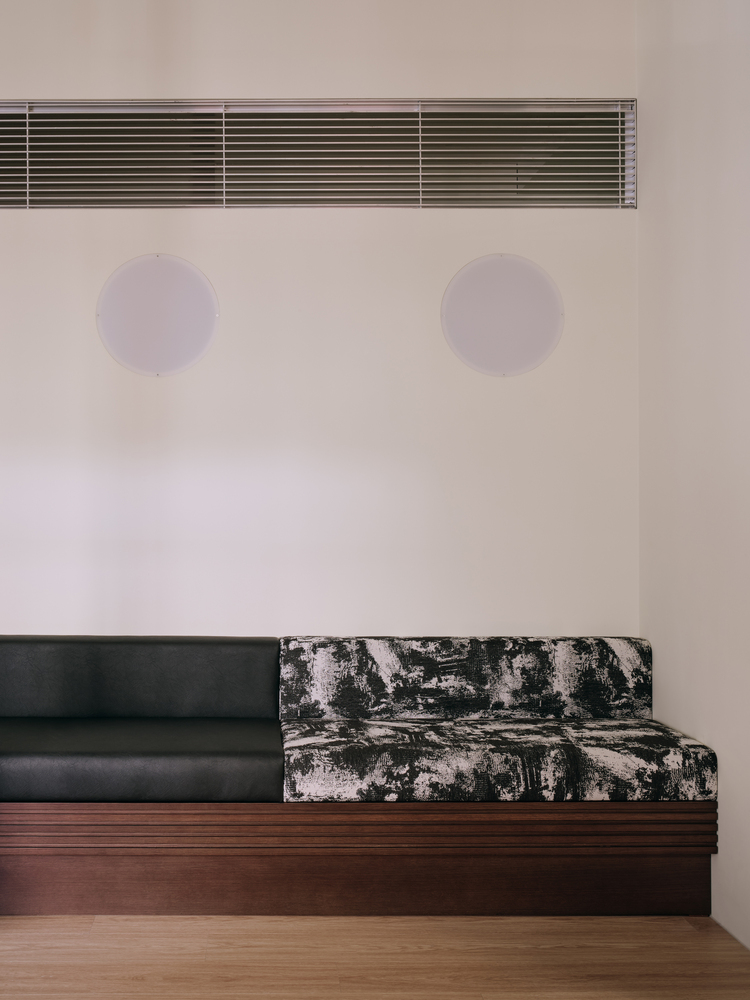
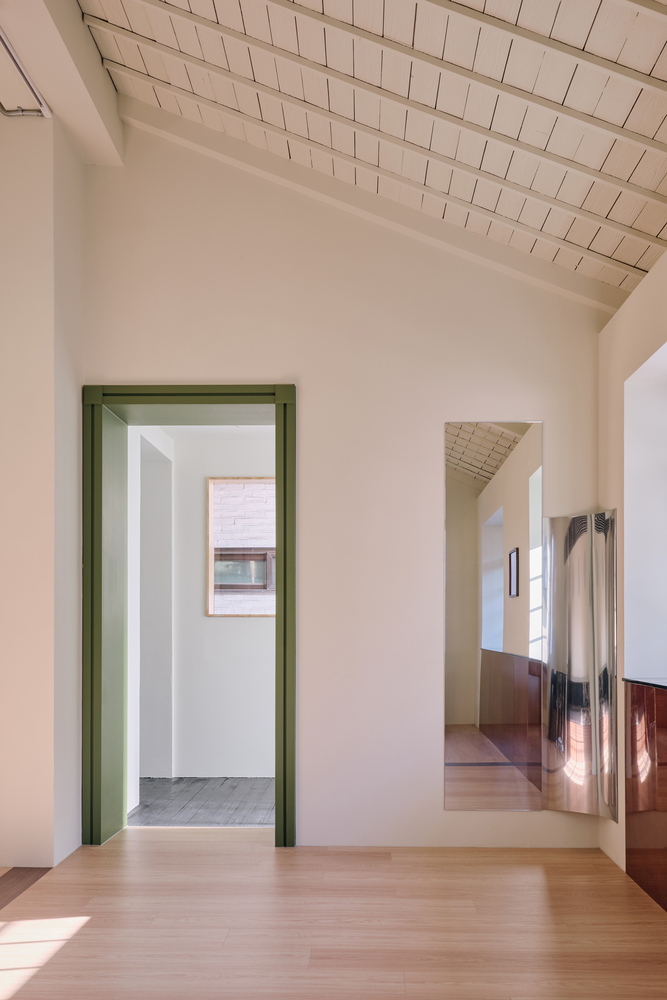
Inside, the gabled roof and exposed concrete structure are revealed rather than concealed. Instead of masking these elements, new design layers are added on top, allowing old and new to coexist clearly. Against this restrained backdrop, Art Deco–inspired furniture and details introduce sculptural rhythm and density without overpowering the space.
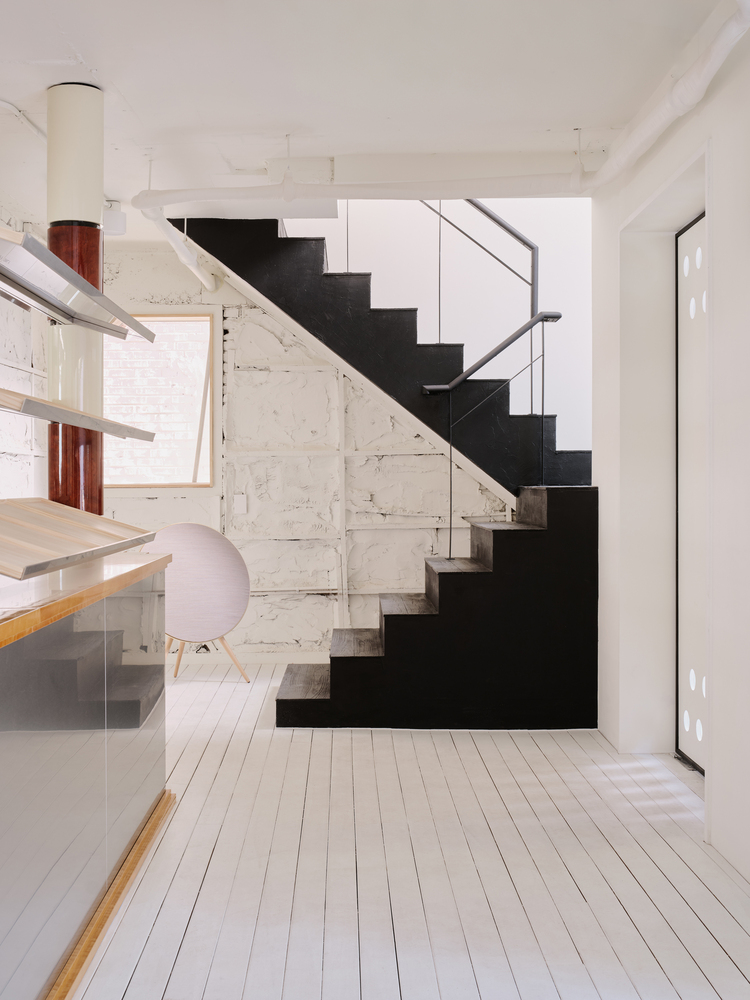
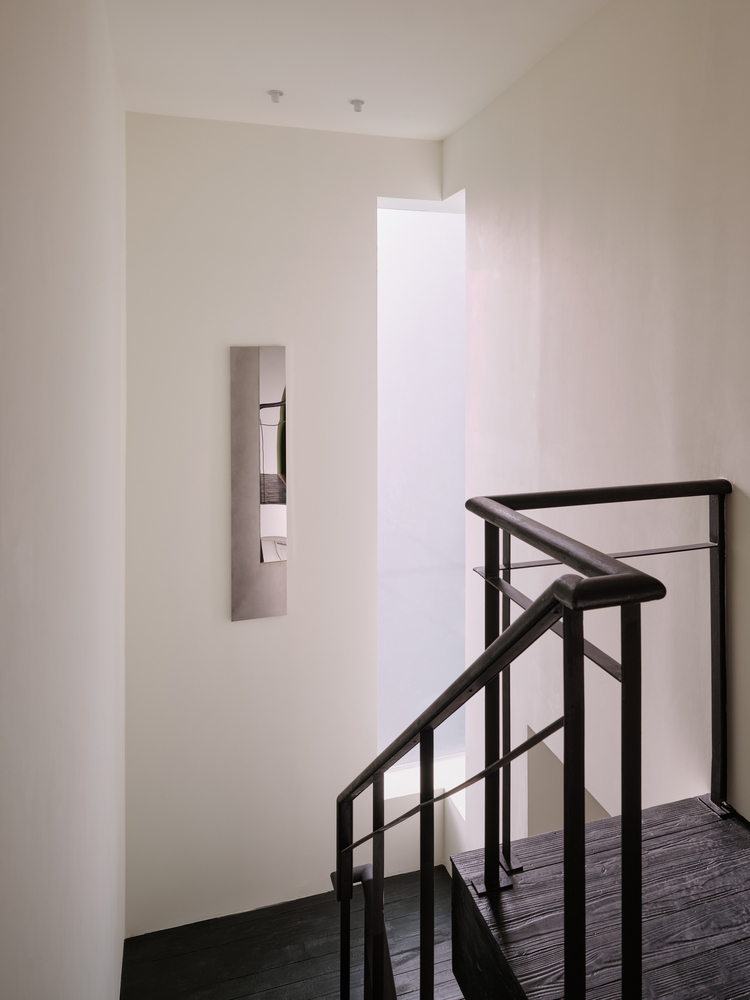
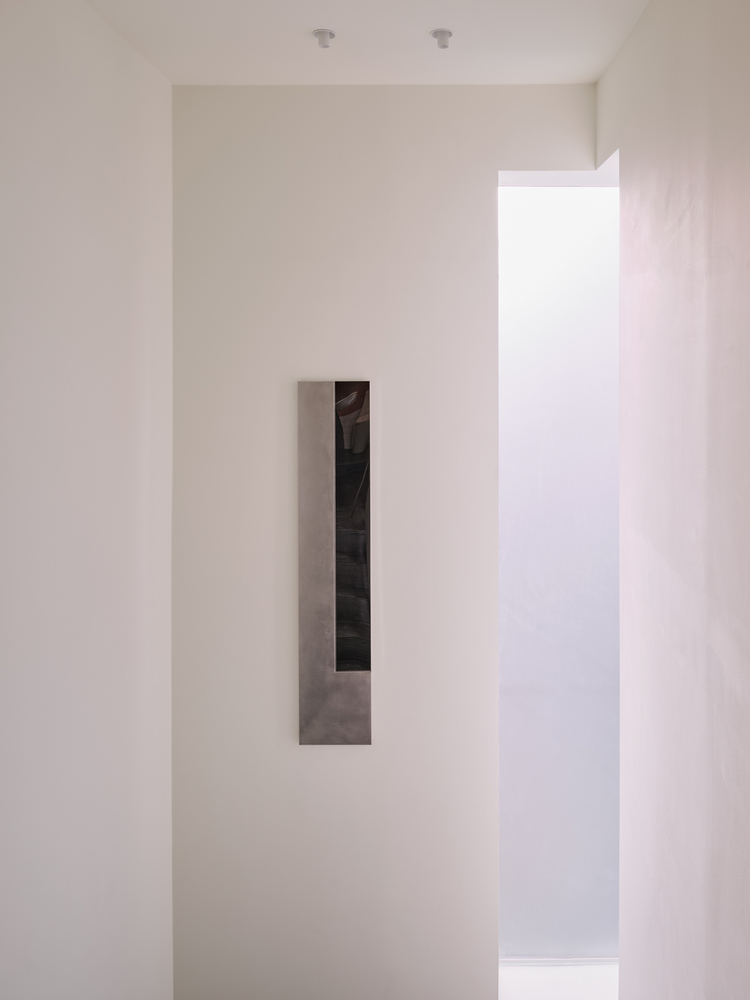
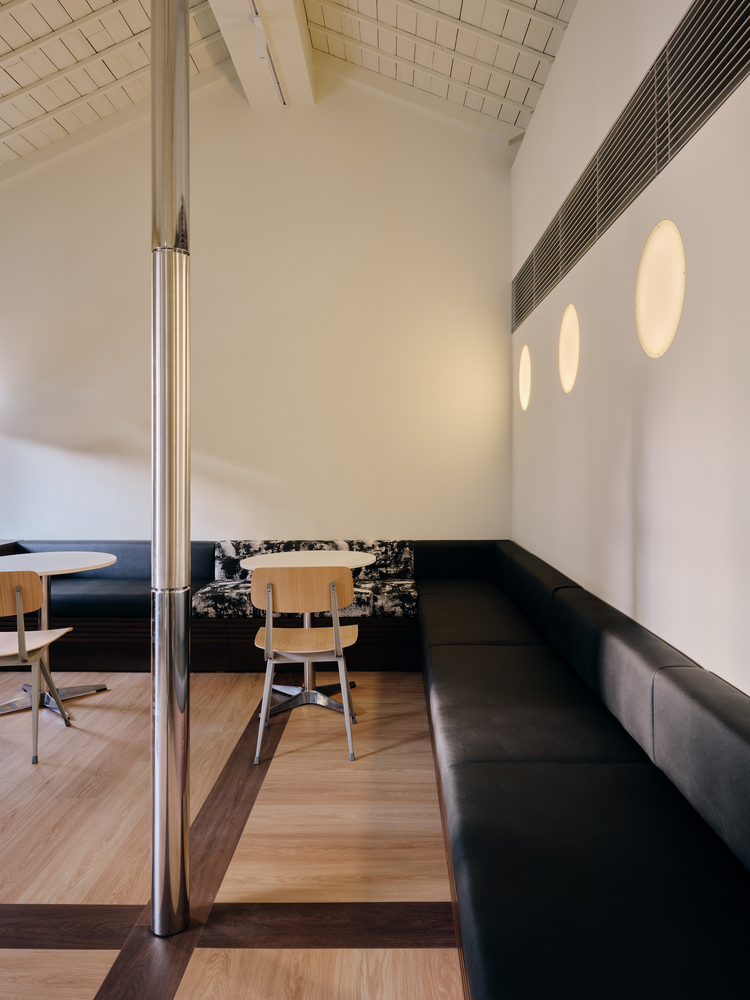
The second floor shifts toward a more domestic atmosphere—a place to linger rather than pass through. Soft daylight, layered materials, and subtle formal gestures continue the logic of accumulation, completing the space as an environment shaped by time, choices, and restraint. Ultimately, P·P·Bakery is less a finished image than the quiet result of decisions layered over time, where existing conditions become the starting point for new meaning.
Architects: Studio Tama
Lead Architects: Sangjun Cho
Design Team: Jaehee Chung



Add to collection