




Roche Diagnostic Center Interior by Studio Alexander Fehre
posted by retail design blog on 2026-07-02
Penzberg
Add to collection
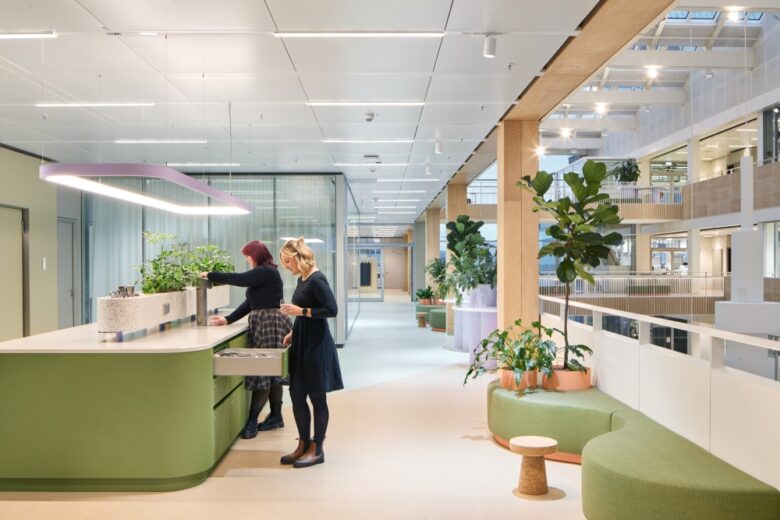
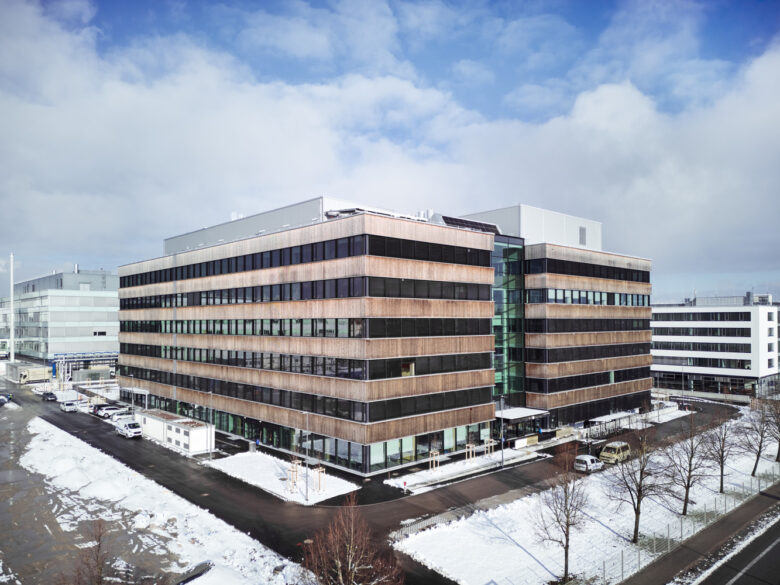
The Roche Diagnostic Innovation Center in Penzberg, Bavaria, is a 35,500 m² research and workplace complex realized for Roche Diagnostics GmbH with an investment of €300 million. The architectural envelope was developed by Nickl & Partner; Studio Alexander Fehre designed the interior architecture across all zones—from the entrance hall through the central atrium and the workplace floors into the highly specialized laboratory areas—creating a continuous spatial language for a building that accommodates approximately 1,000 researchers, scientists, and support staff.
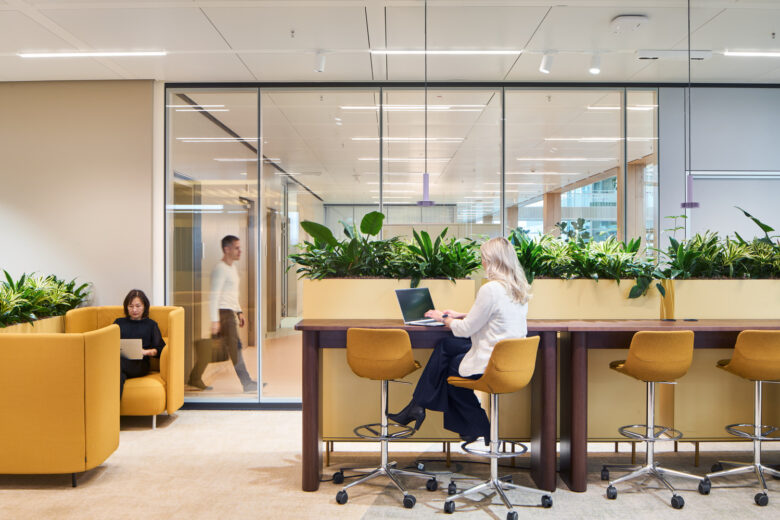
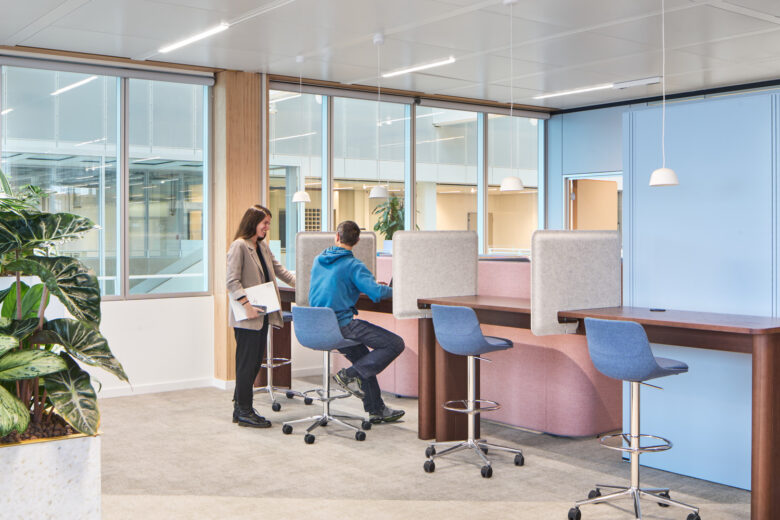
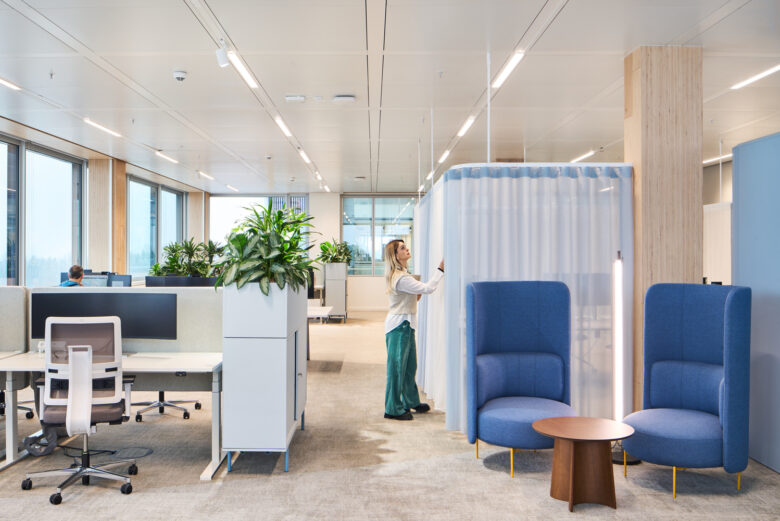
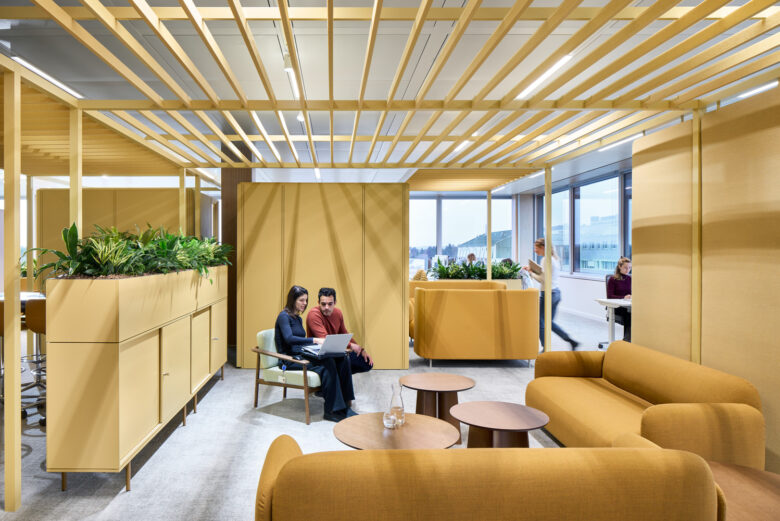
The central concept emerged from a single question: What happens when the logic of contemporary workplace design is carried consistently into a research environment, rather than stopping at the laboratory threshold? Traditional laboratory buildings tend to prioritize technical infrastructure over experiential quality. Studio Alexander Fehre approached the project with the conviction that scientific work, like office work, depends on differentiated environments for focus, exchange, experimentation, and retreat — and that the architecture of a research building should embody these distinctions as visibly as it accommodates clean rooms or vibration control.
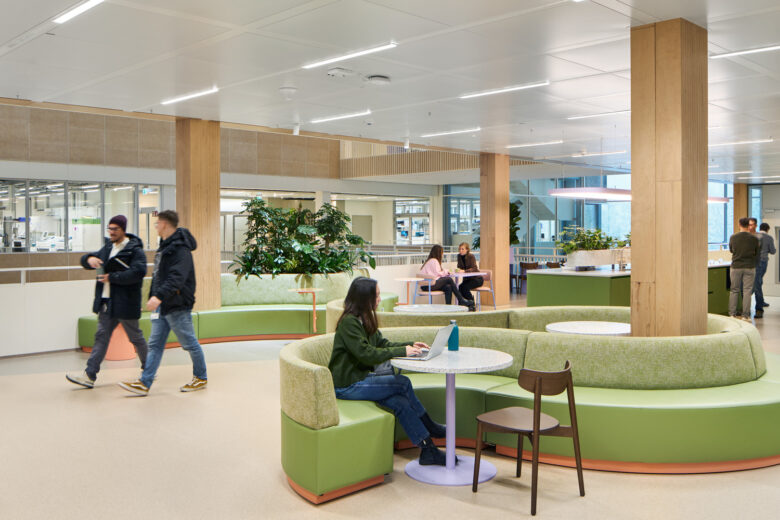
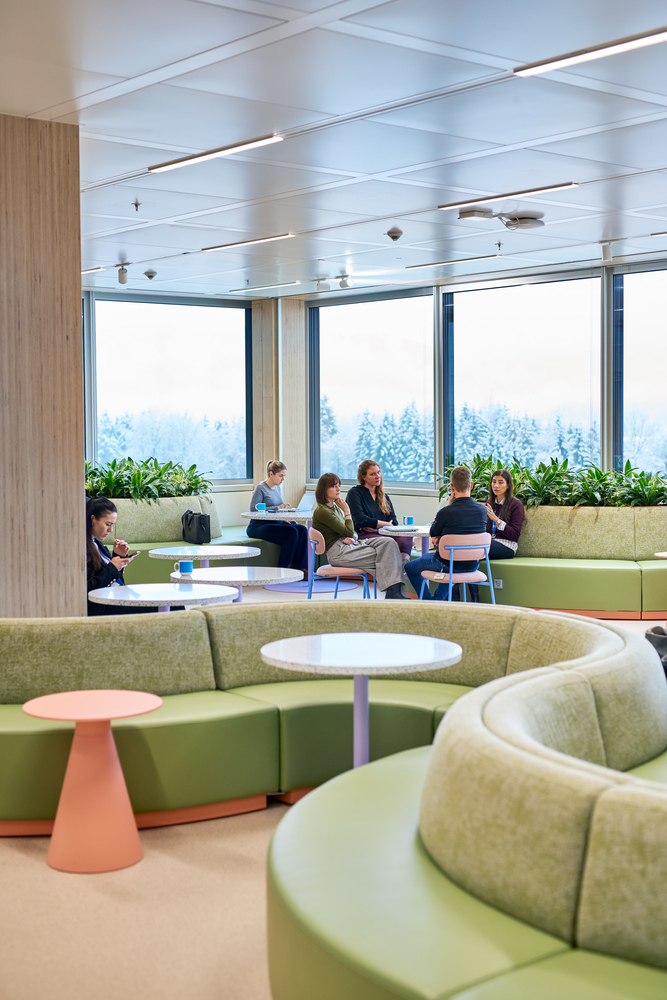
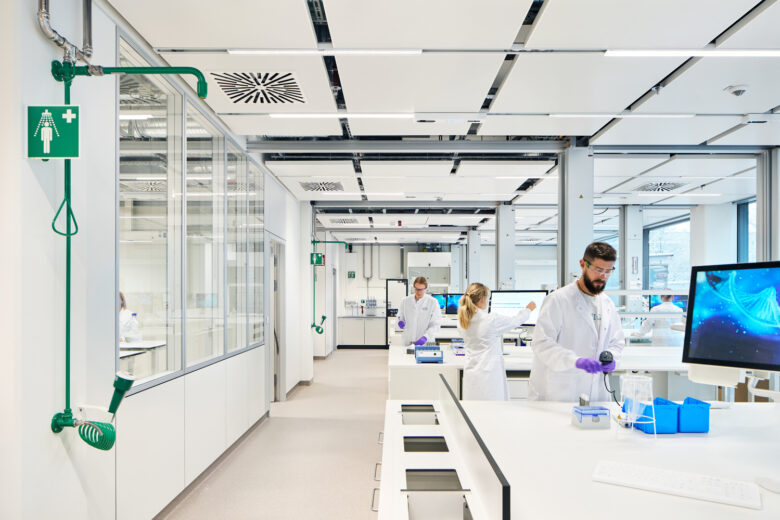
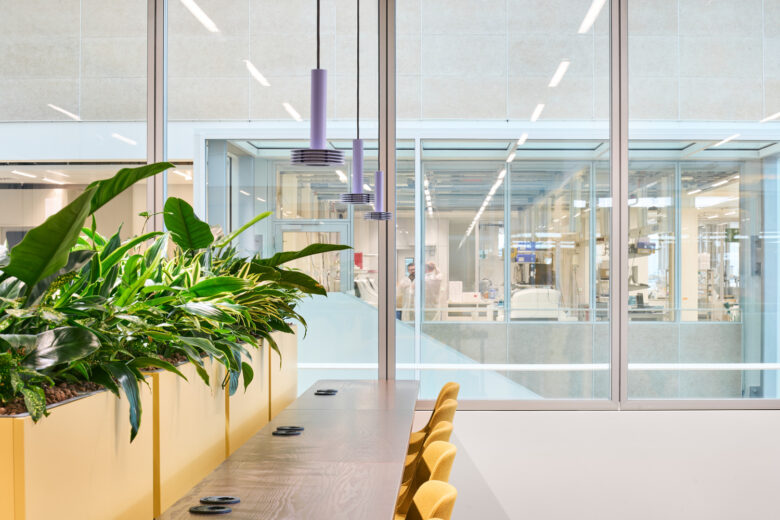
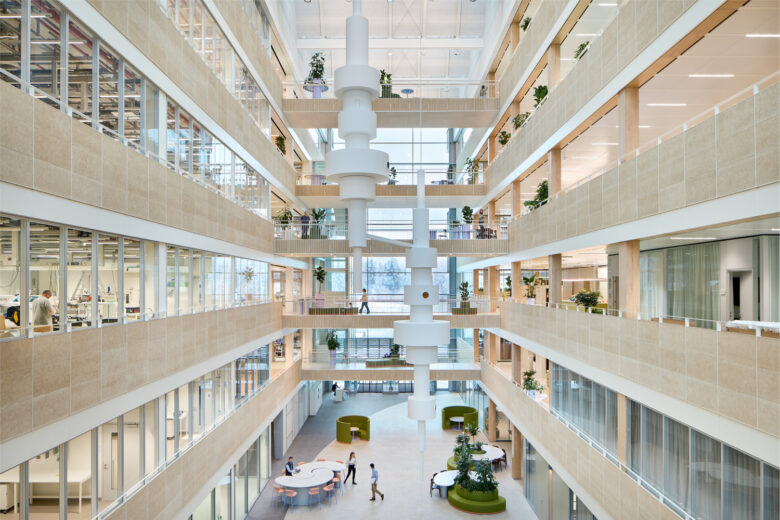
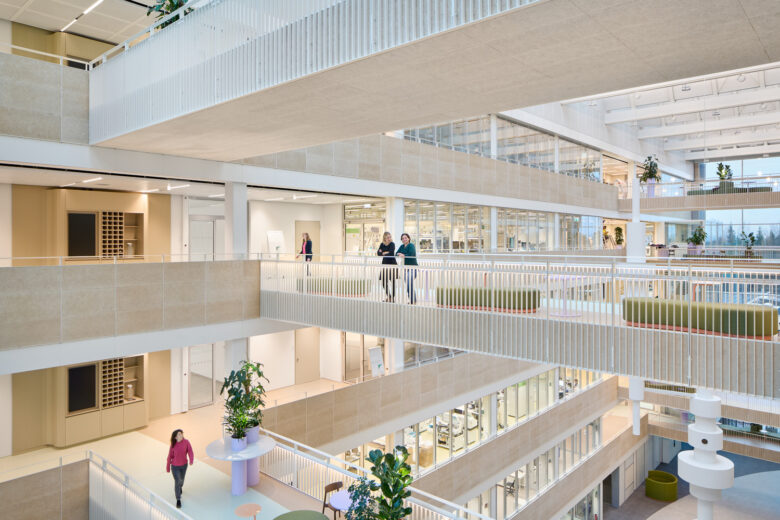
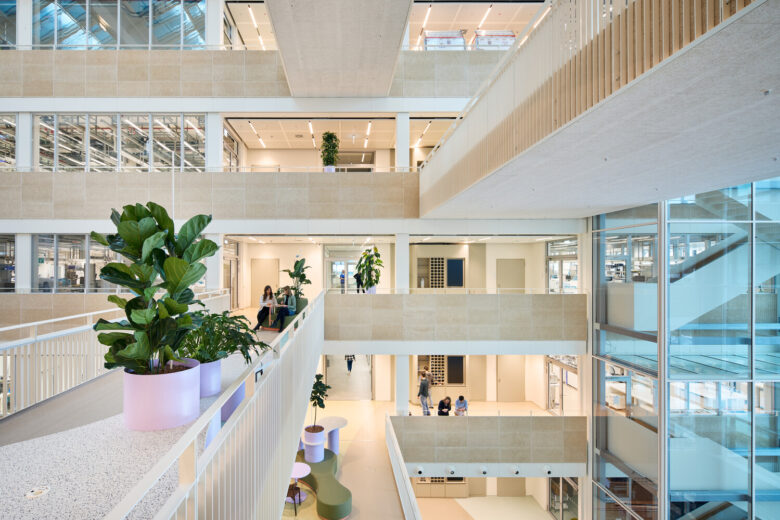
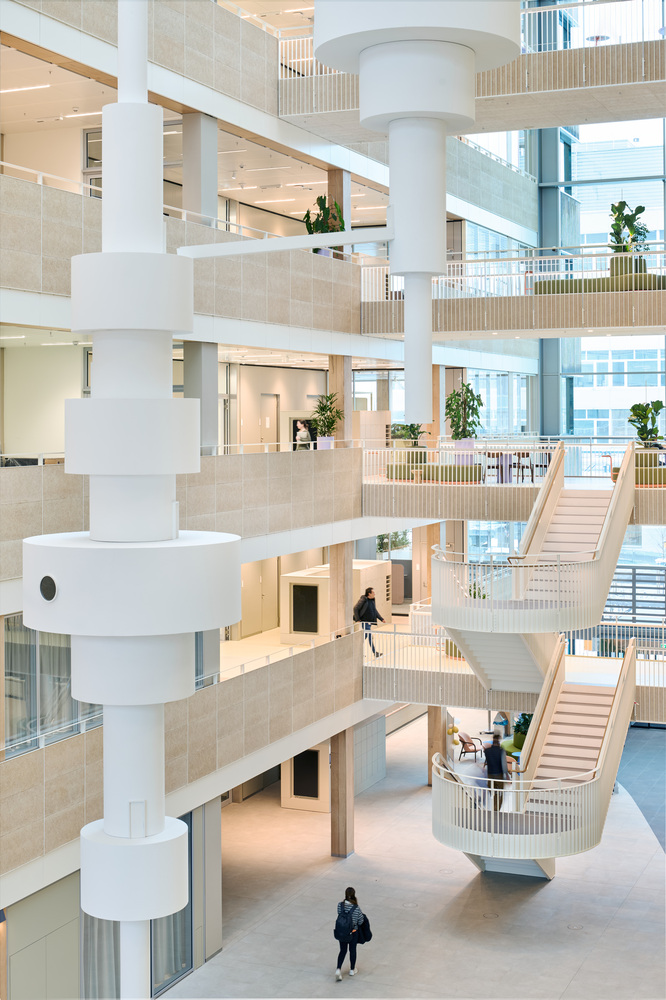
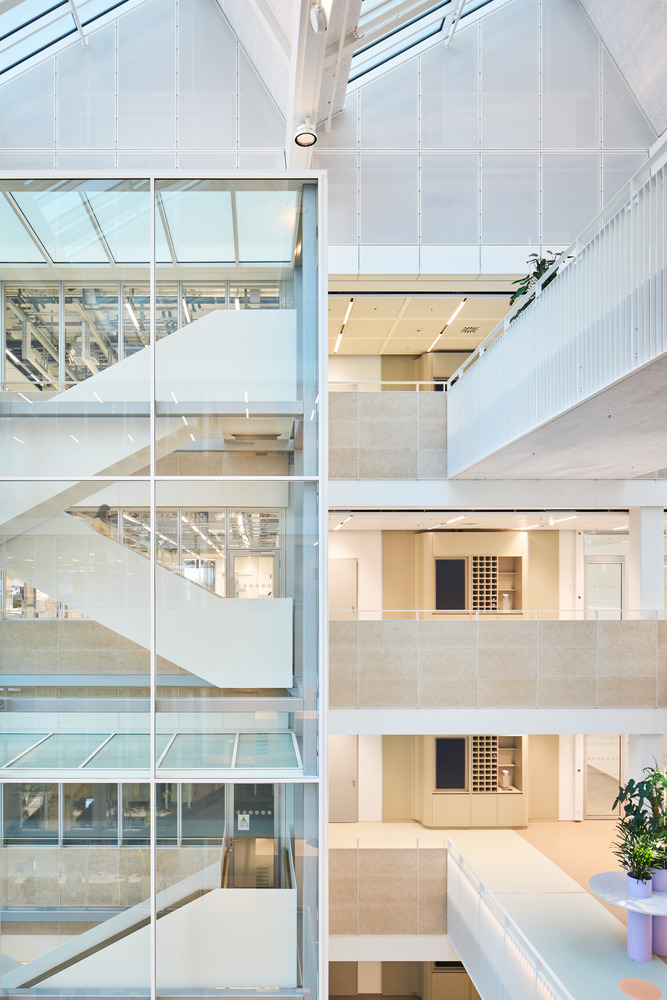
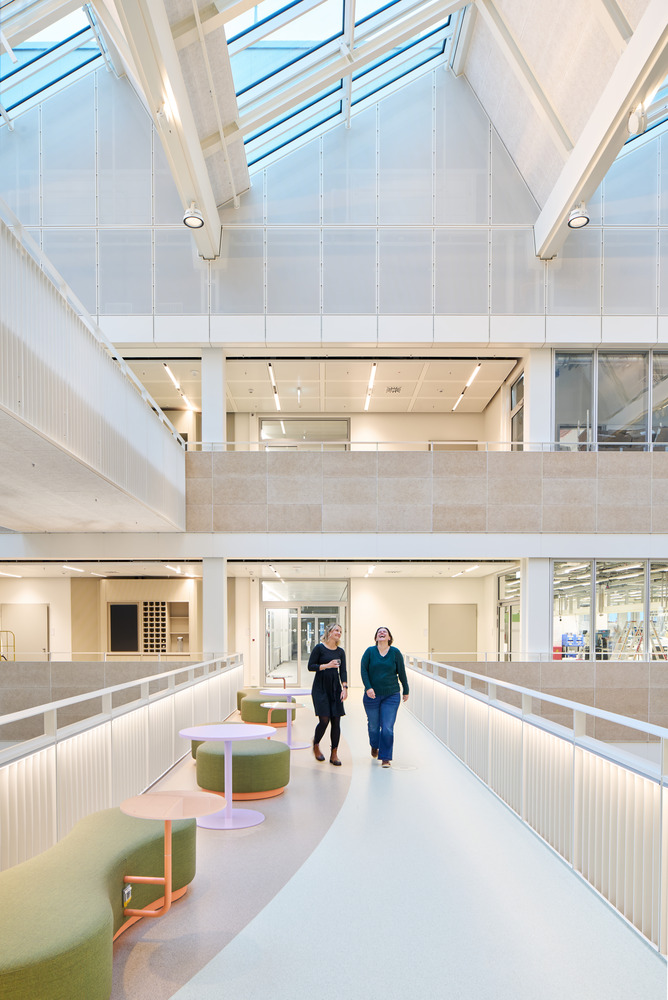
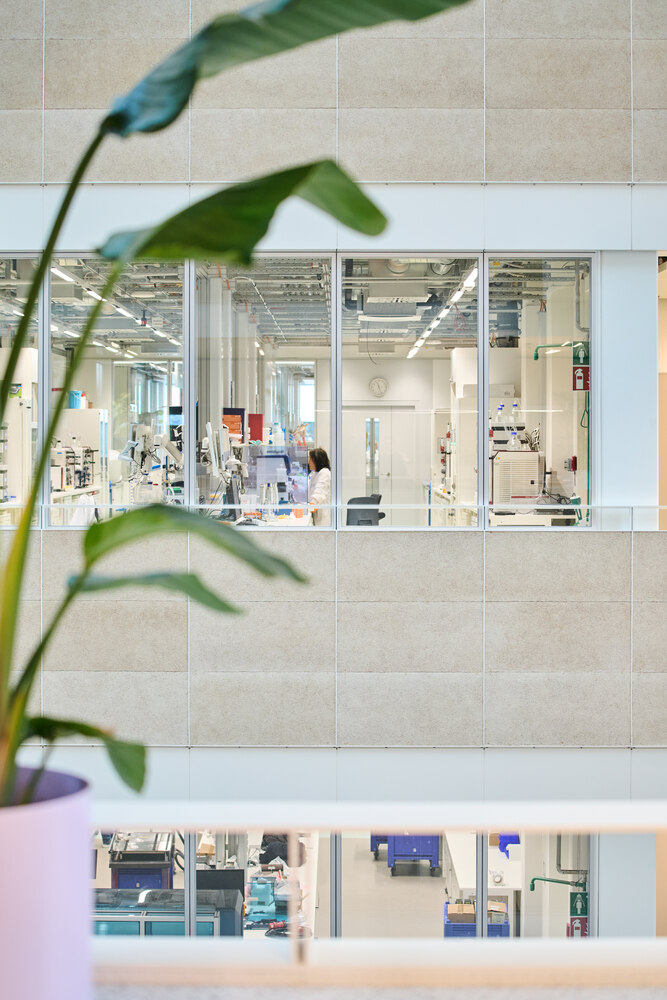
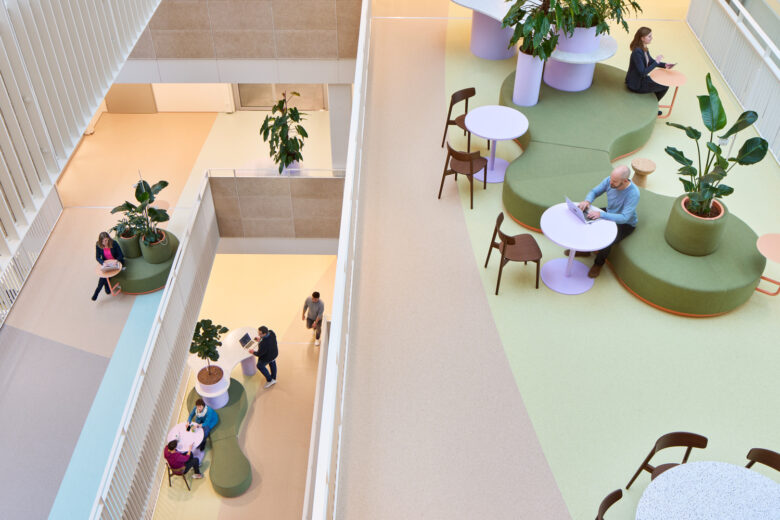
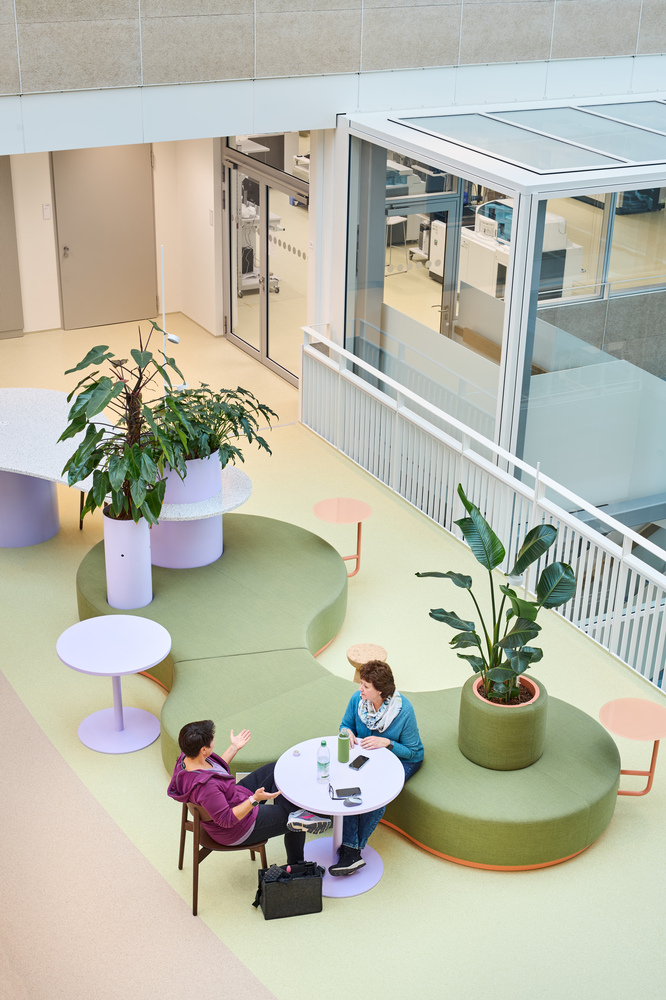
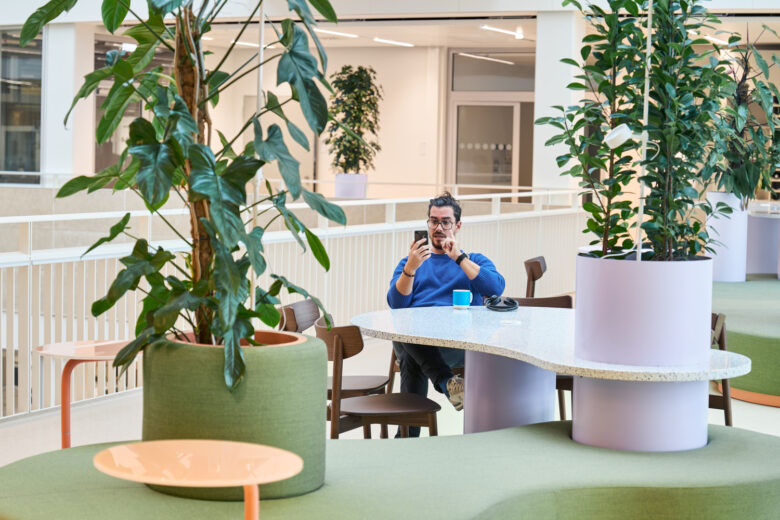
Spatially, the building is organized around a generously glazed central atrium. Sculpted bridges span the void at every floor, conceived not as circulation infrastructure, but as vibrant social hubs where spontaneous encounters is encouraged through organically shaped seating islands. Open breakout spaces face the atrium, dissolving the conventional boundary between concentrated work and informal exchange. Transparent sightlines link the laboratory zones with adjacent workplace areas; clean rooms remain technically separated but visually connected to the social heart of the building.
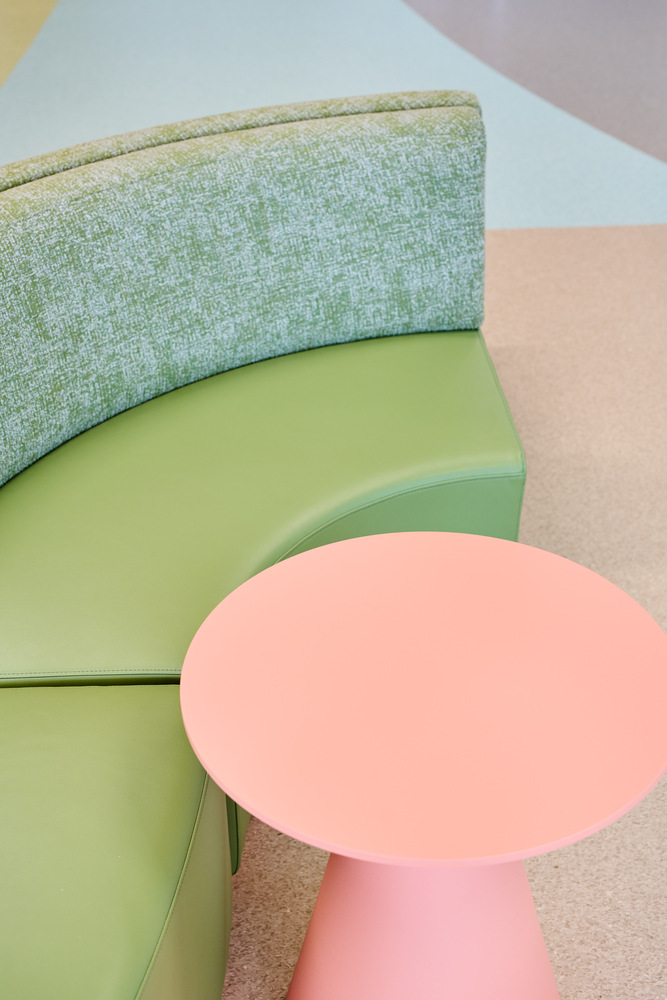
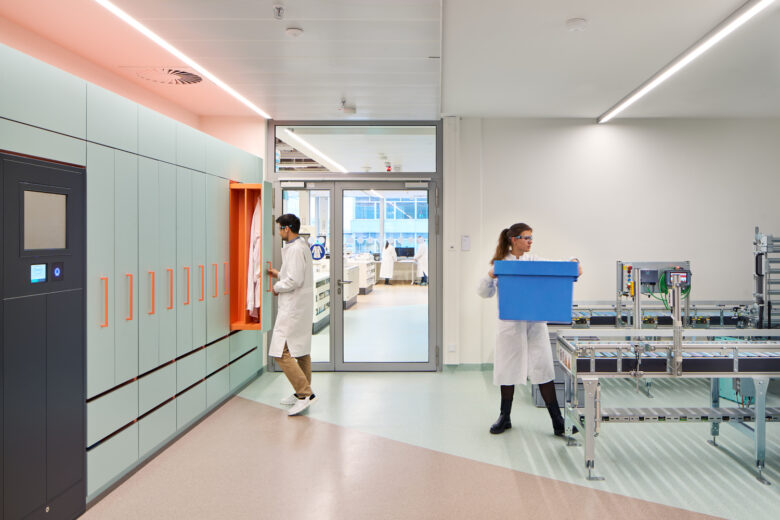
The material language draws directly from the science conducted within. A microscopy-inspired floor graphic runs through all levels as a unifying motif, while color accents derived from pipettes, reagents, and laboratory consumables are translated into an intuitive wayfinding system. In the laboratory zones themselves, an automated sample transport system reduces development cycles by up to 30 percent and is deliberately kept visible rather than concealed in service shafts, becoming part of the spatial experience rather than disappearing into it.
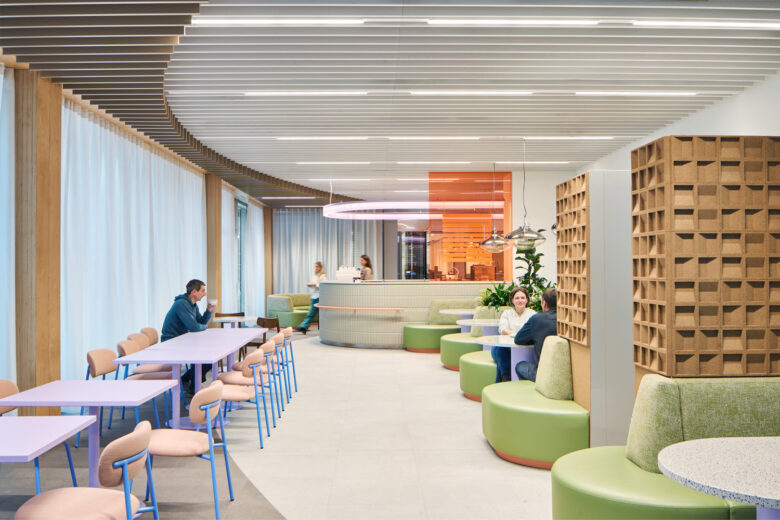
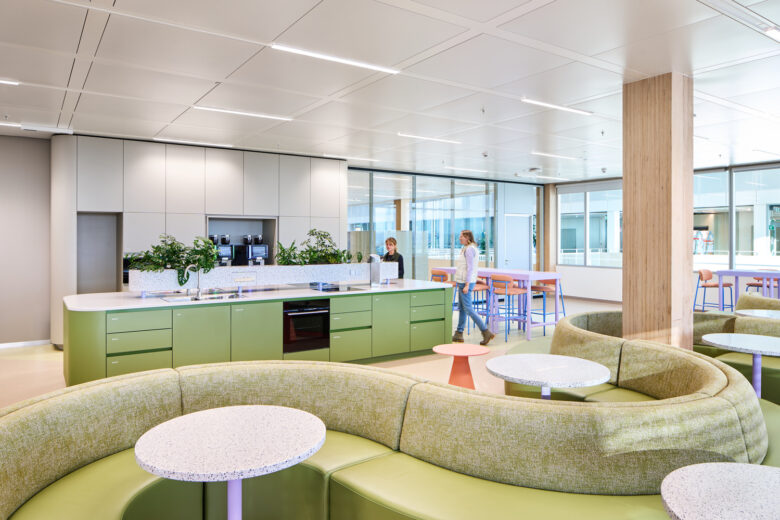
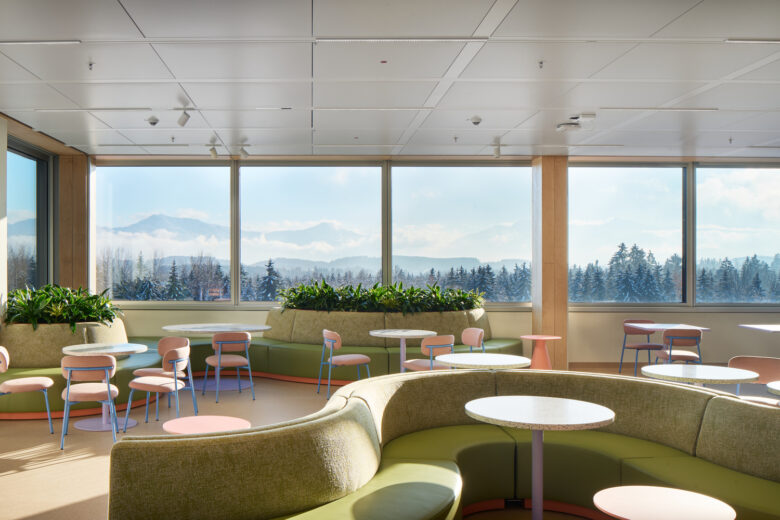
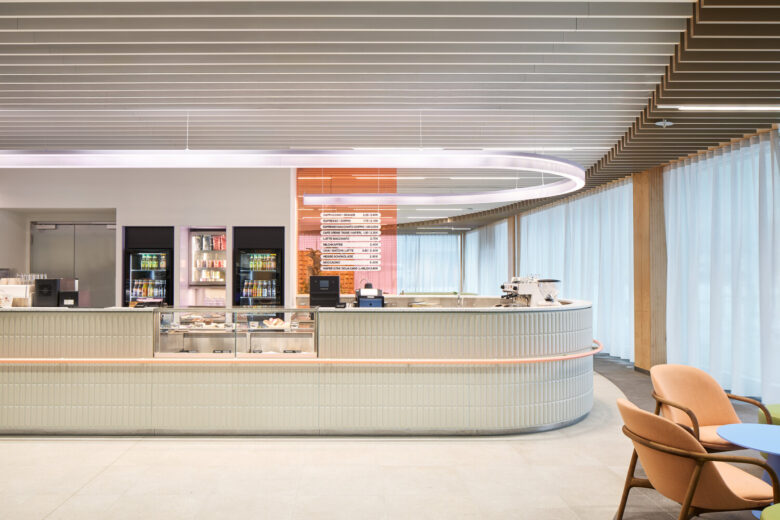
The architectural sequence culminates on the top floor in a cafe and sky lounge that stages the Alpine panorama as a deliberate finale. Moss-green curves and electrifying cobalt blue break with the conventional aesthetics of corporate cafeterias and transform the space into the most sought-after meeting place in the building. The result is a research facility that functions as a continuous workplace — from foyer to laboratory — rather than as a technical container with social spaces appended.
Architects: Studio Alexander Fehre
Lead Architects: Alexander Fehre, Annika Kaiser, Susanna Hönle, Daria Papkova, Lindsay Marsh, Can D Kissling, Anna Aichele, Leslie Rupp, Federico Fait, Ljiljana Ninkovic, Ulrich Schnaitmann
Photographs: Philip Kottlorz
Add to collection