



Add to collection
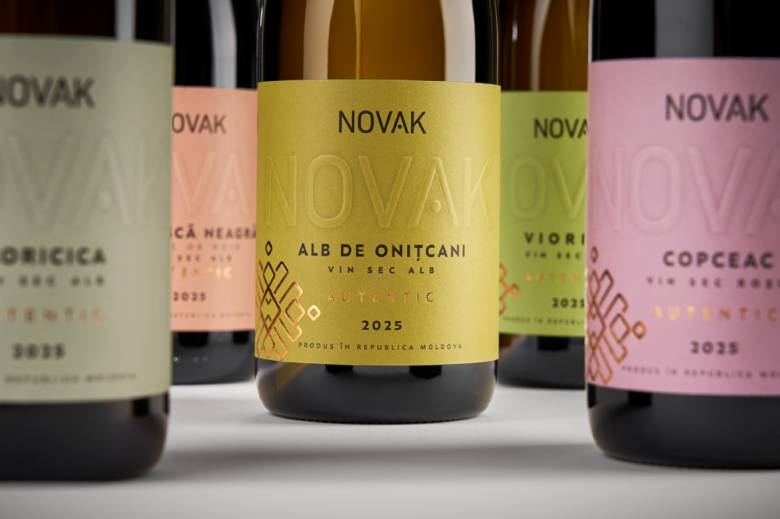
A long-term collaboration allows a visual identity to develop in ways that are difficult to achieve through isolated projects. Over the past ten years, 43oz and Novak Winery have worked together on numerous labels, collections and experimental releases, creating a relationship in which design has evolved alongside the winery itself.
Novak has never been a static brand. Its experimental approach to winemaking, willingness to explore new ideas and constantly expanding portfolio have naturally influenced the way the brand communicates visually. As new wines appeared and existing collections changed, the visual language needed to remain flexible enough to accommodate this growth without losing the recognizable elements that connect the portfolio as a whole.
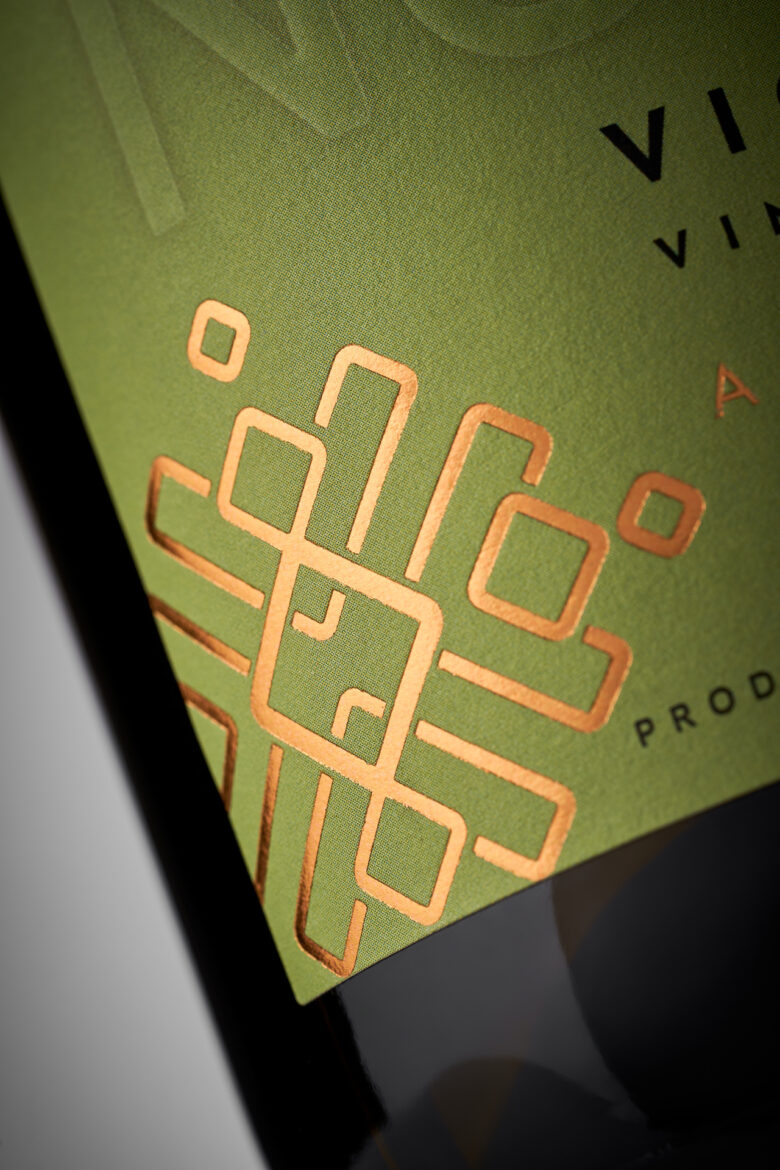
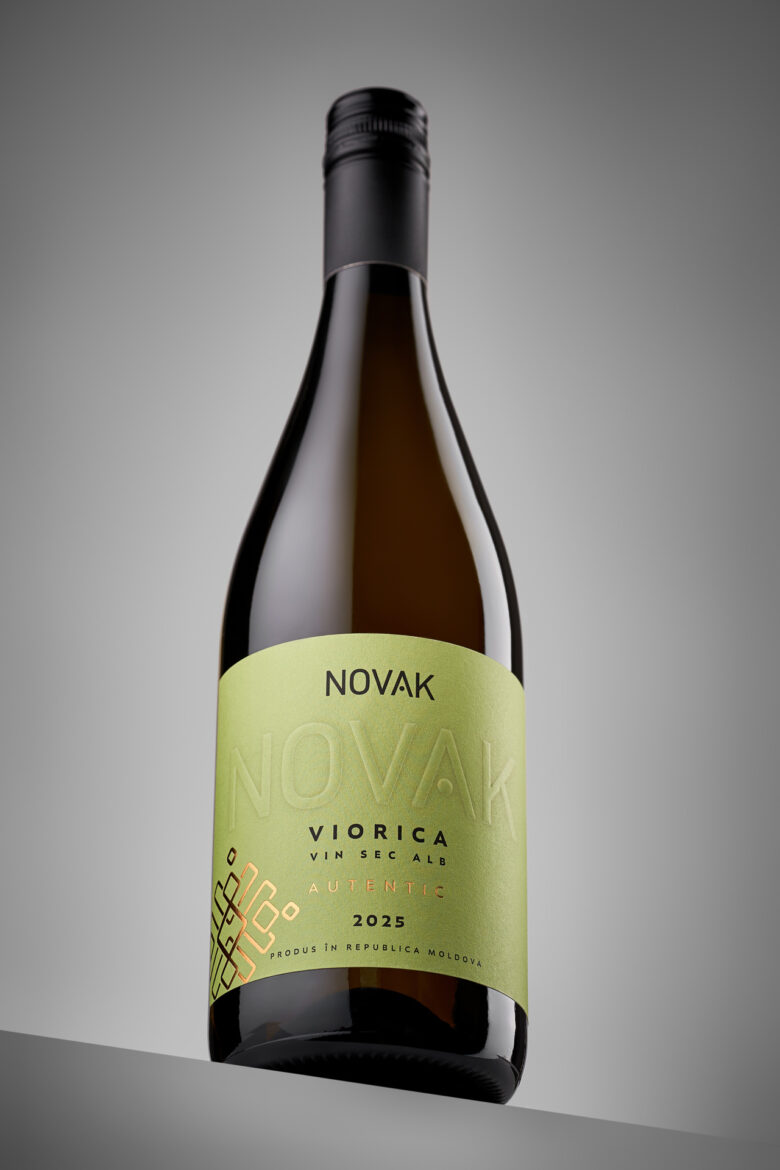
The transformation of the winery’s core collection of indigenous grape varieties became the next step in this process. Rather than introducing an entirely new identity, the project focused on developing what was already there. The challenge was to retain the familiar graphic elements associated with Novak while giving the collection a clearer, more contemporary and more functional presence.
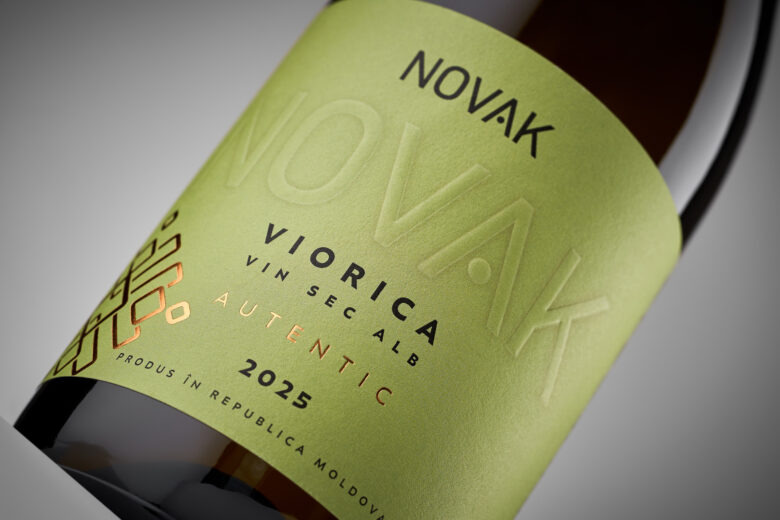
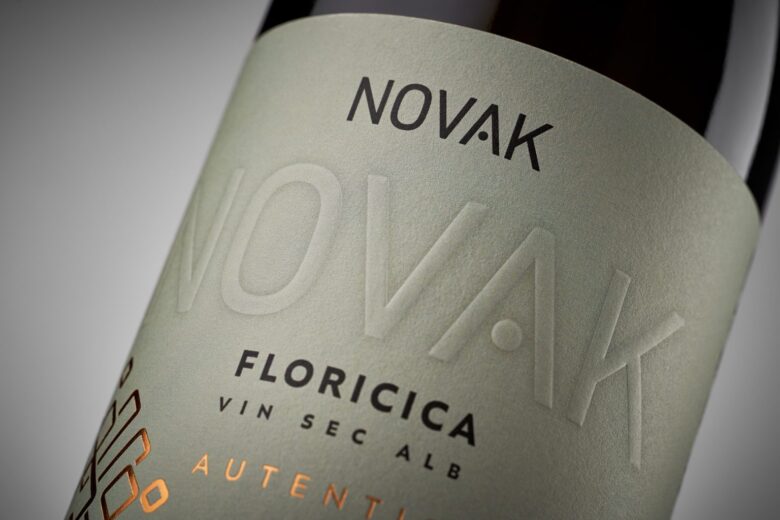
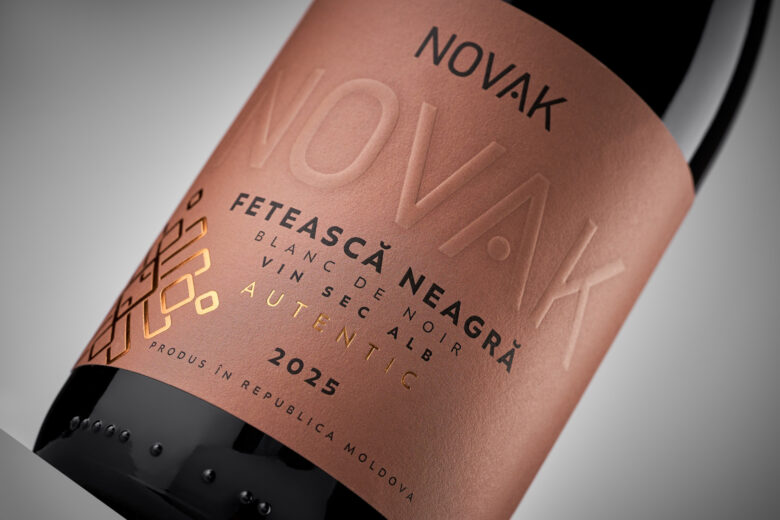
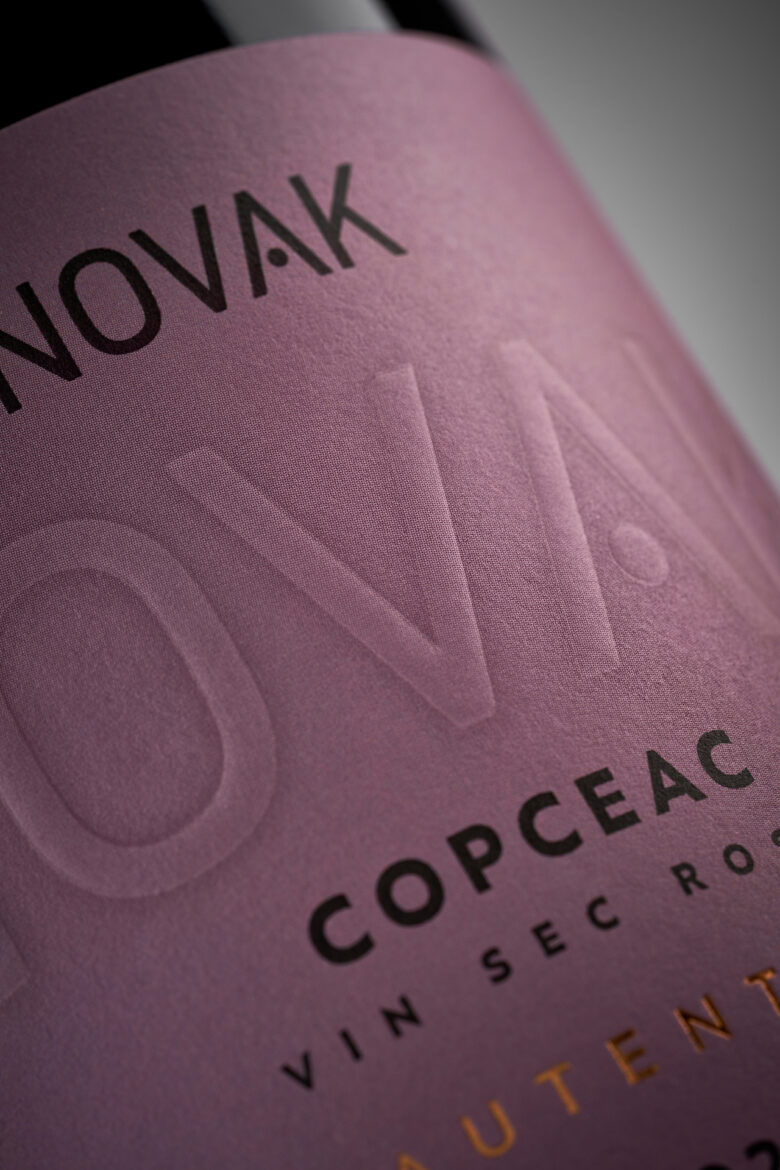
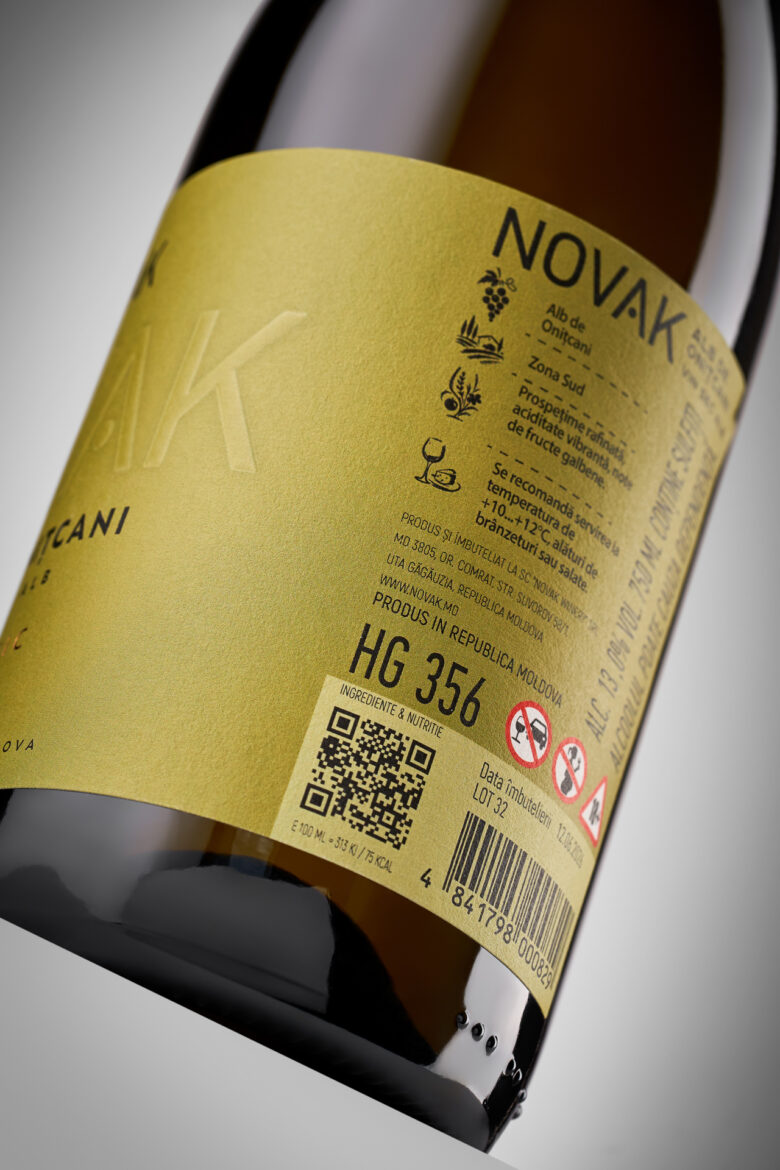
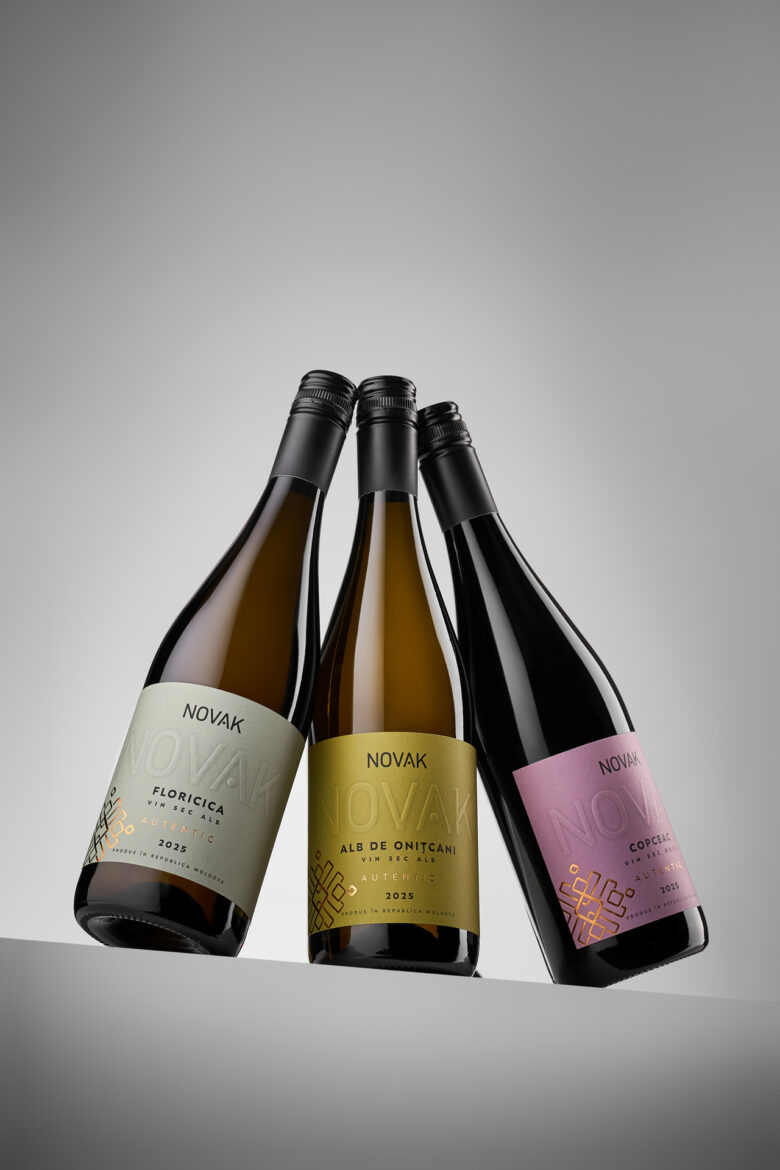
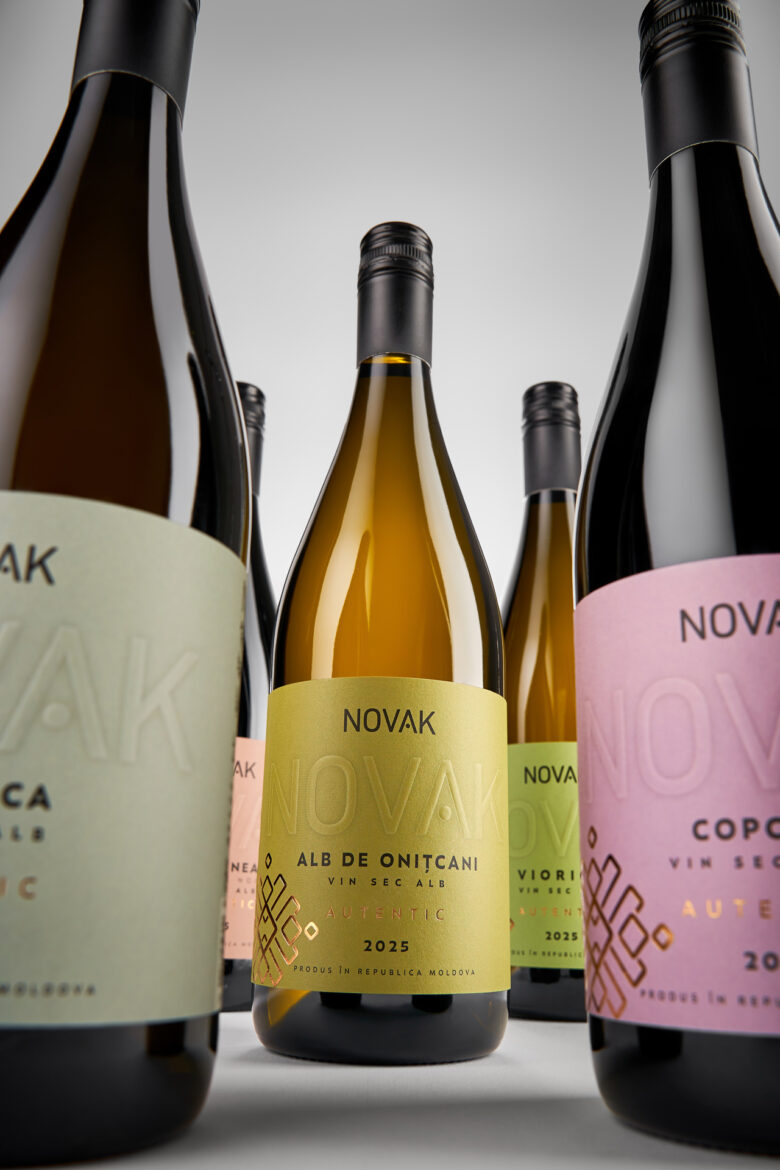
Colour became one of the central tools of the new design. A carefully developed colour system gives every wine a distinct identity, reflecting the diversity of the collection while creating an immediate visual connection between the different varieties. The palette also reinforces the brand’s close relationship with nature and its environmentally conscious character, introducing a fresher and more organic feeling to the range.
Beyond aesthetics, the new colour differentiation also serves a practical purpose. With a diverse collection of wines on the shelf, colour becomes an intuitive wayfinding tool, helping consumers recognize different varieties and quickly return to the wines they already know and enjoy.
The result is not a departure from the Novak identity, but another stage in its ongoing evolution. After a decade of collaboration, the brand continues to grow through a visual language that has been shaped by experimentation, continuity and change. It remains recognizable, but never static – much like the winery itself.
Add to collection