




Add to collection
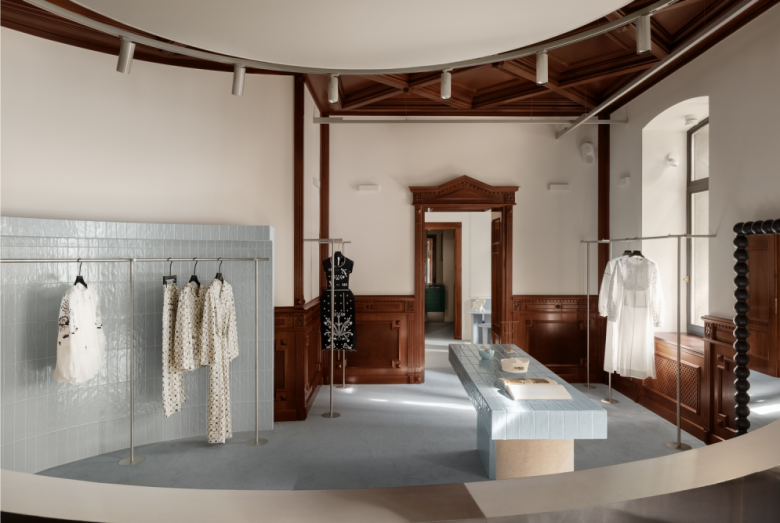
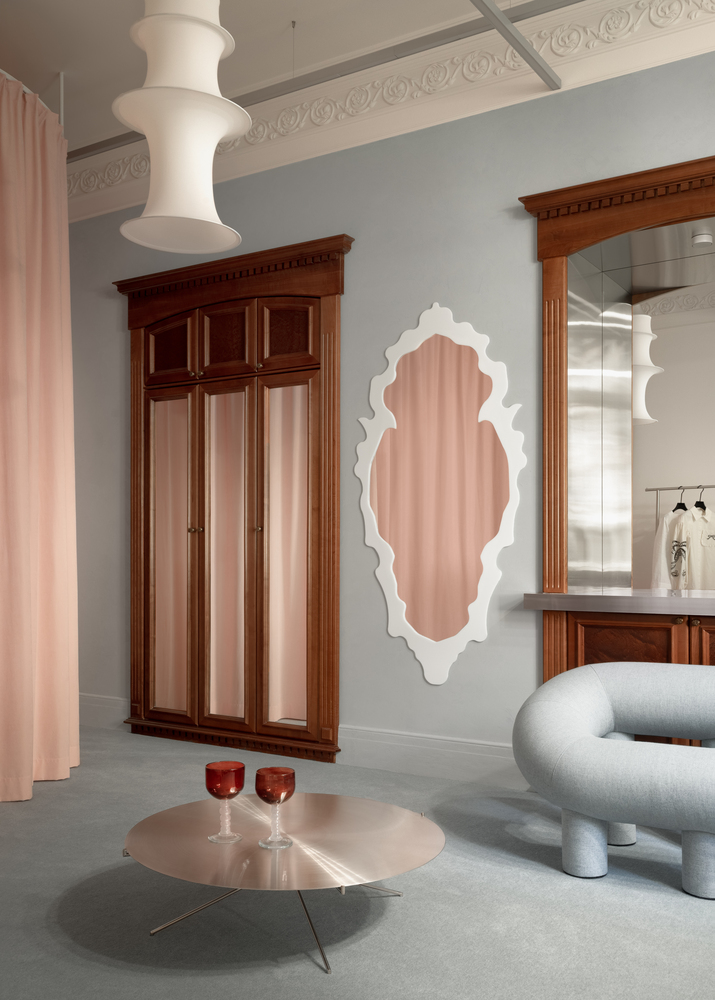
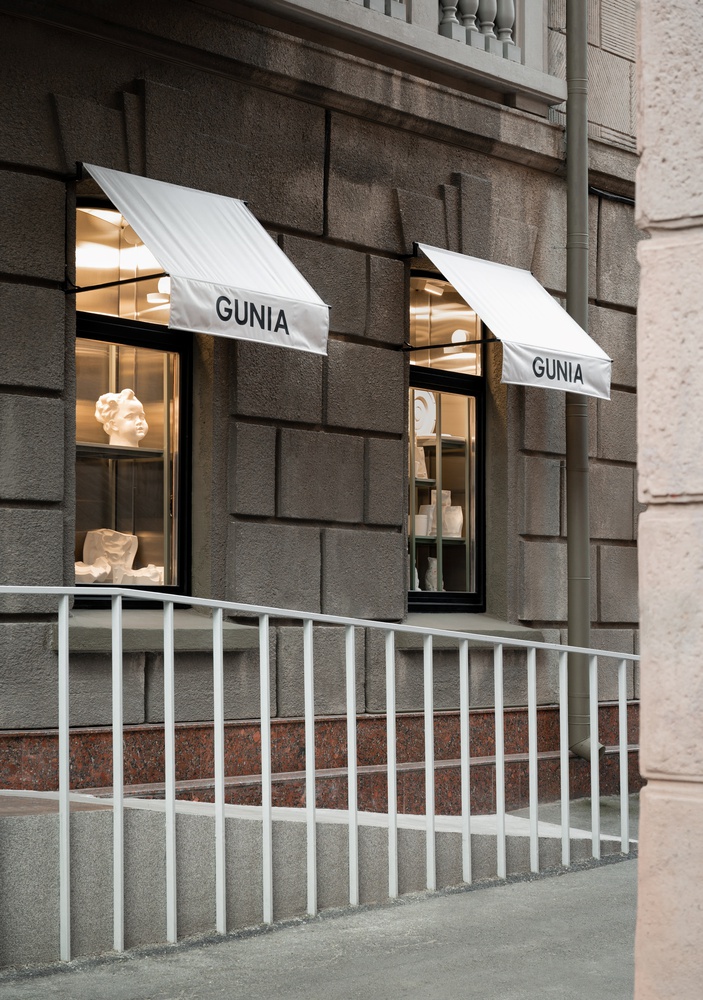
The new flagship showroom of Ukrainian brand Gunia Project occupies the ground floor of a late-19th-century building on a historic street near the Golden Gate – where old Kyiv once began. After three months of careful searching, the chosen space revealed both clear advantages and notable challenges. Its prime location in the heart of historic Kyiv and its well-proportioned size worked in its favor, while the lack of natural light and strict requirements imposed by the landlords posed significant constraints. For the building’s owners, the interior forms part of their family history, and they insisted on preserving key elements – classic wooden doors, wall panels, decorative ceiling details, and monumental mahogany cabinets.
In practice, the landlords became an additional authority in the approval process. Yet the project ultimately won them over, carefully preserving the site’s historic character while giving it a new life. This dialogue between past and present closely reflects the Gunia Project’s philosophy. Rather than relying on literal references, the brand interprets Ukrainian identity through layered meanings, subtle symbolism, and poetic imagery. The new showroom continues this approach by weaving together the historic fabric of Kyiv’s streets, the memories of former residents, and even fragments of the building’s past life – among them elements once belonging to the interior of the Embassy of the Republic of Panama, previously housed here. Today, the space offers a contemporary reading of Ukrainian cultural narrative and creative expression.
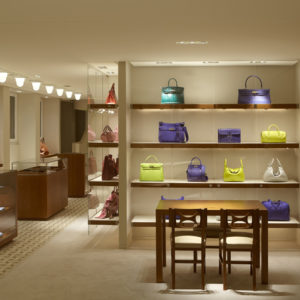
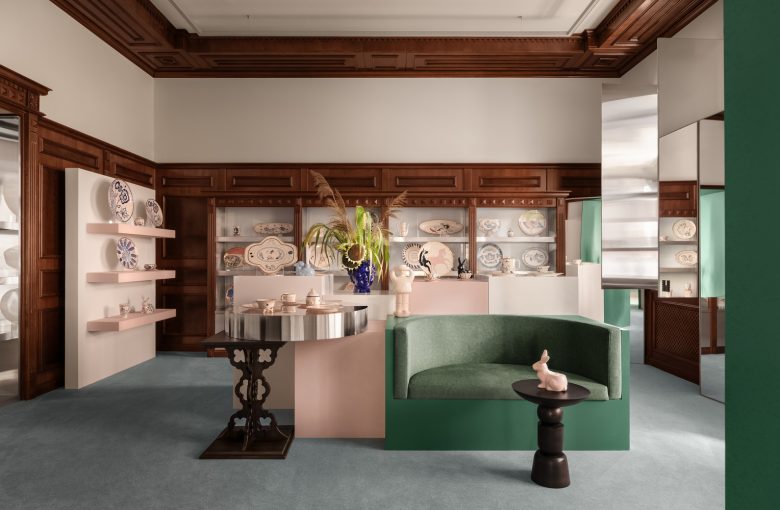
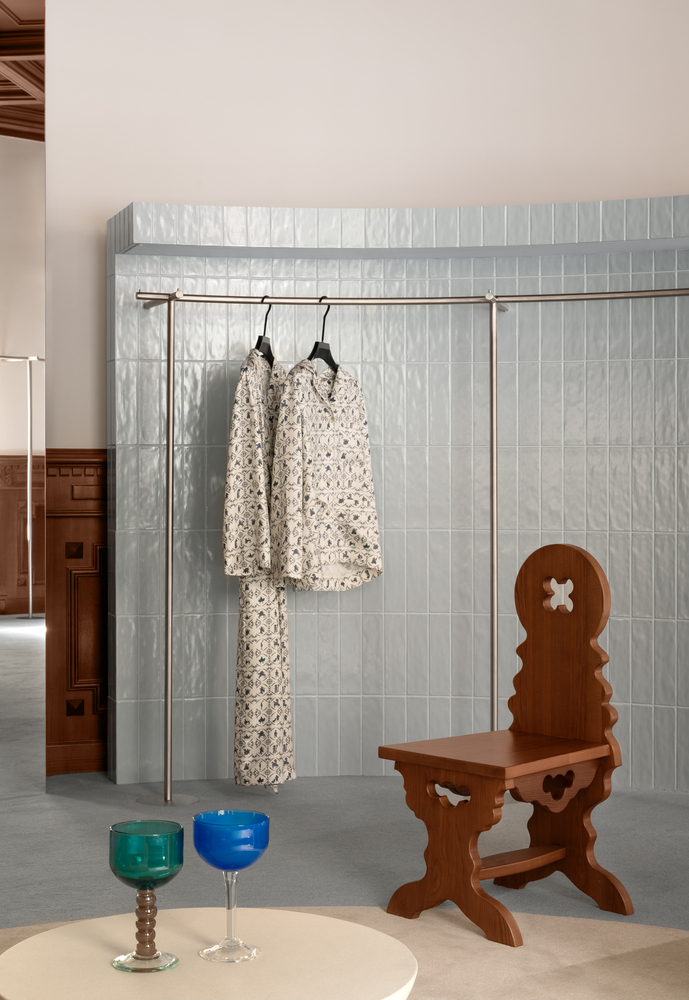
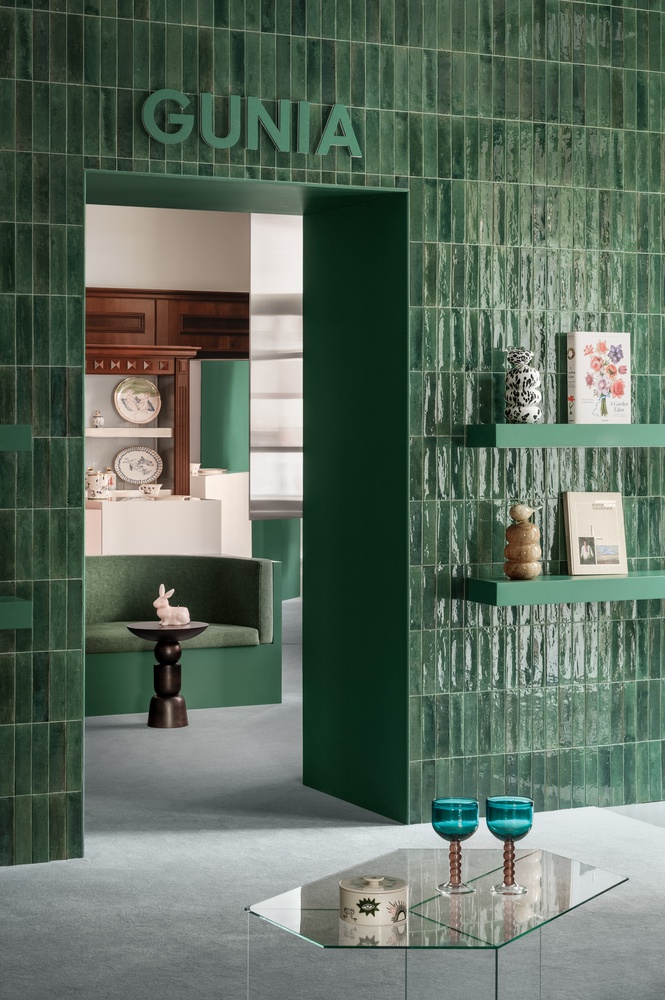
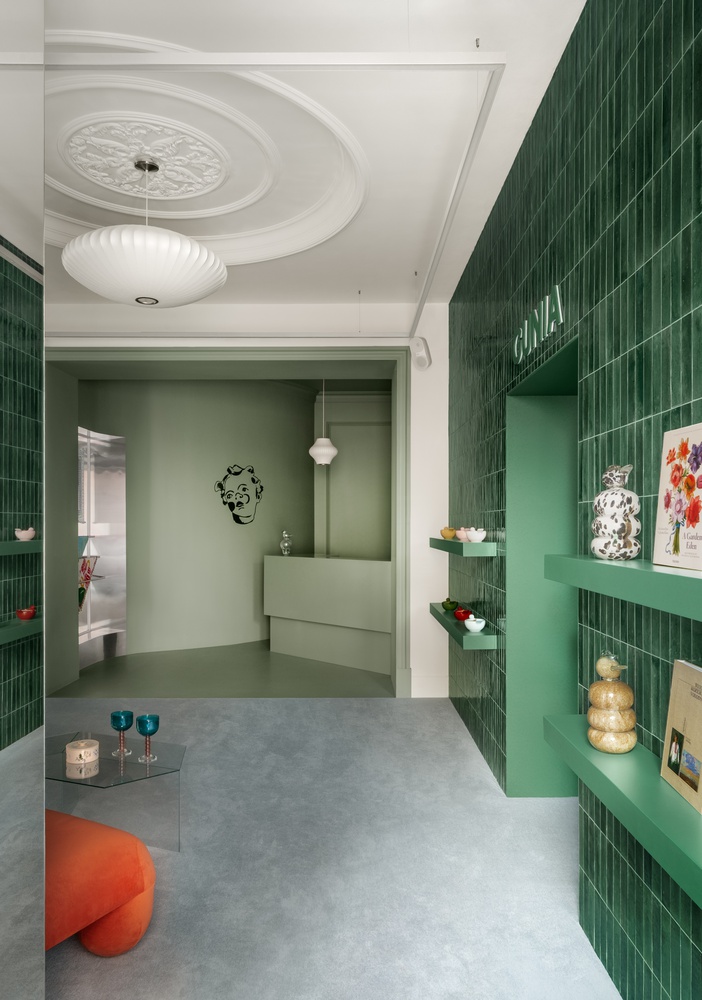
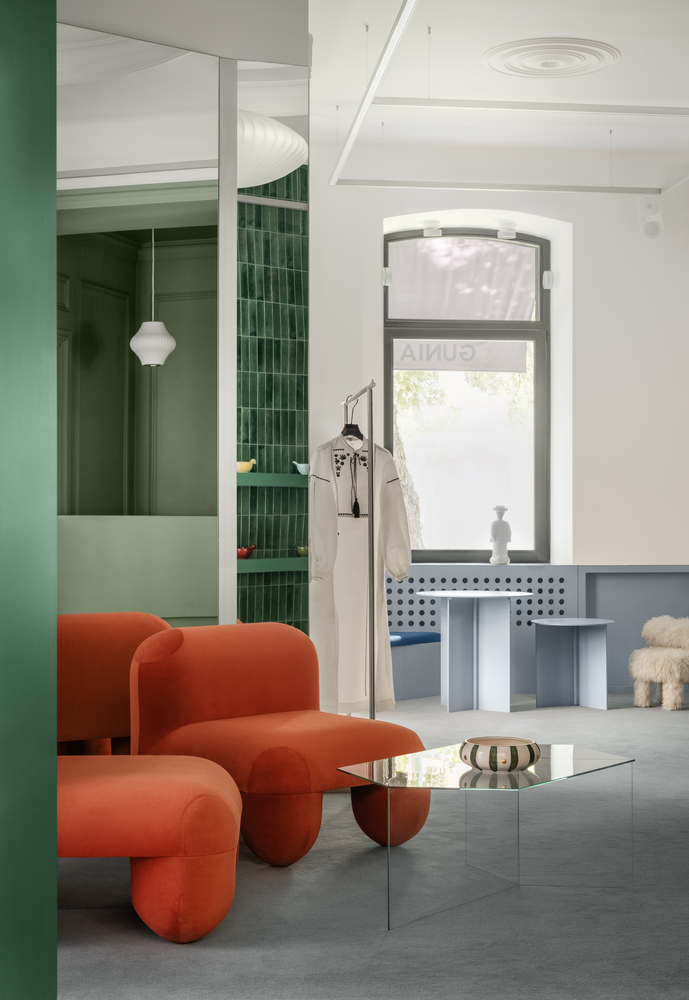
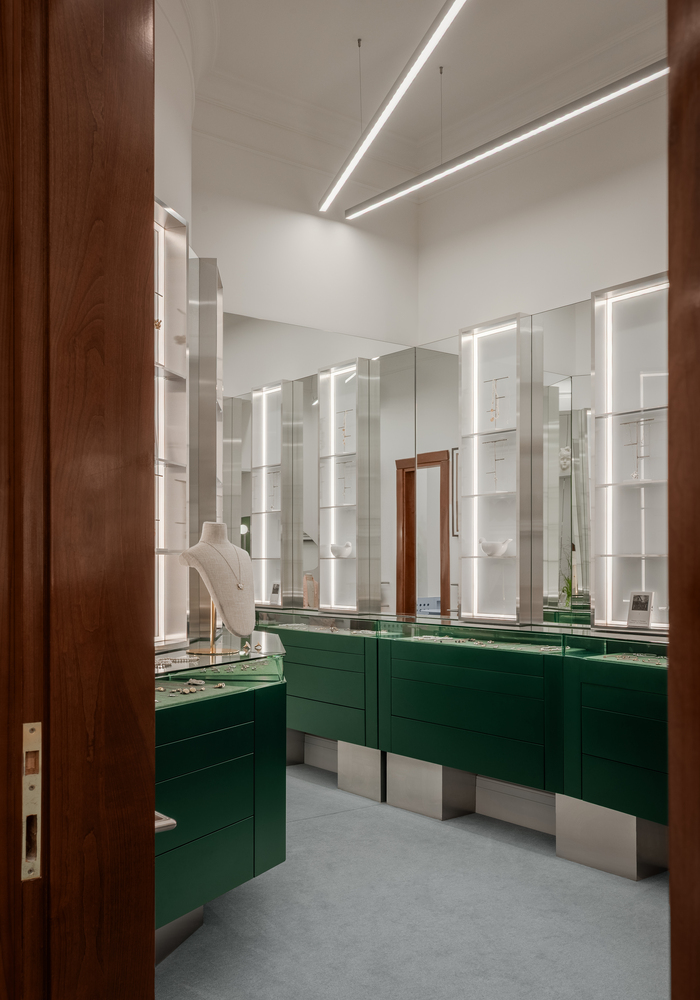
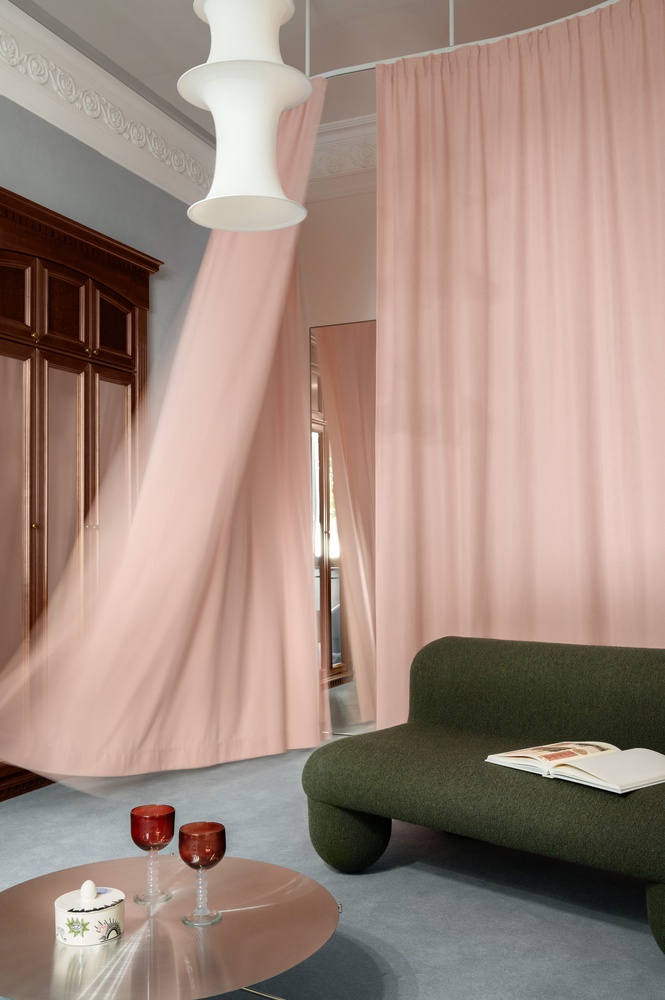
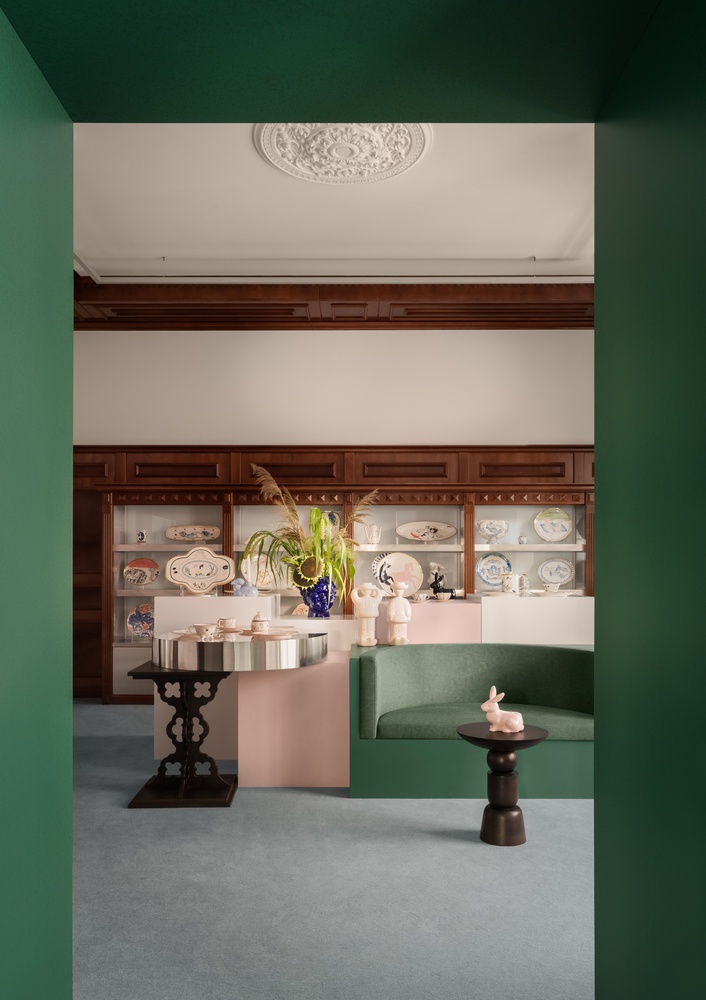
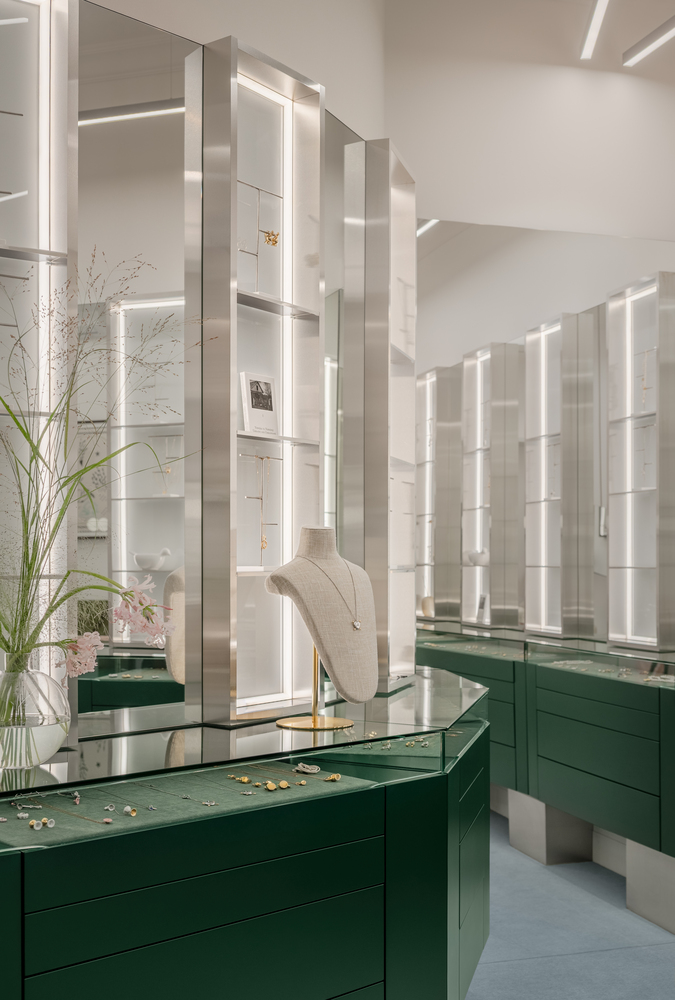
The designer’s primary task was to strike a balance between old and new, ornament and restraint. The brand’s modernity is articulated through concise, thoughtful design decisions. The color palette – greens, blues, pale pinks, and soft beige tones – is inspired by nature and pastoral motifs central to Gunia’s visual language. As visitors move through the showroom, the atmosphere evokes a lush garden, wrapped in soft hues and gentle penumbra. The spatial layout follows the logic of the collection. The reception area greets visitors at the entrance; ceramics are displayed to the right, while the children’s section is tucked toward the back. Separate halls are dedicated to clothing and jewelry, and a passage concealed within one of the preserved cabinets leads to a private VIP fitting room.
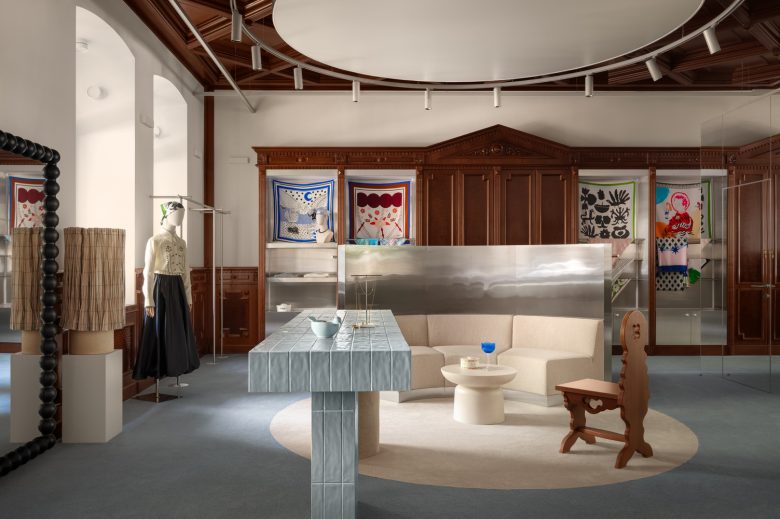
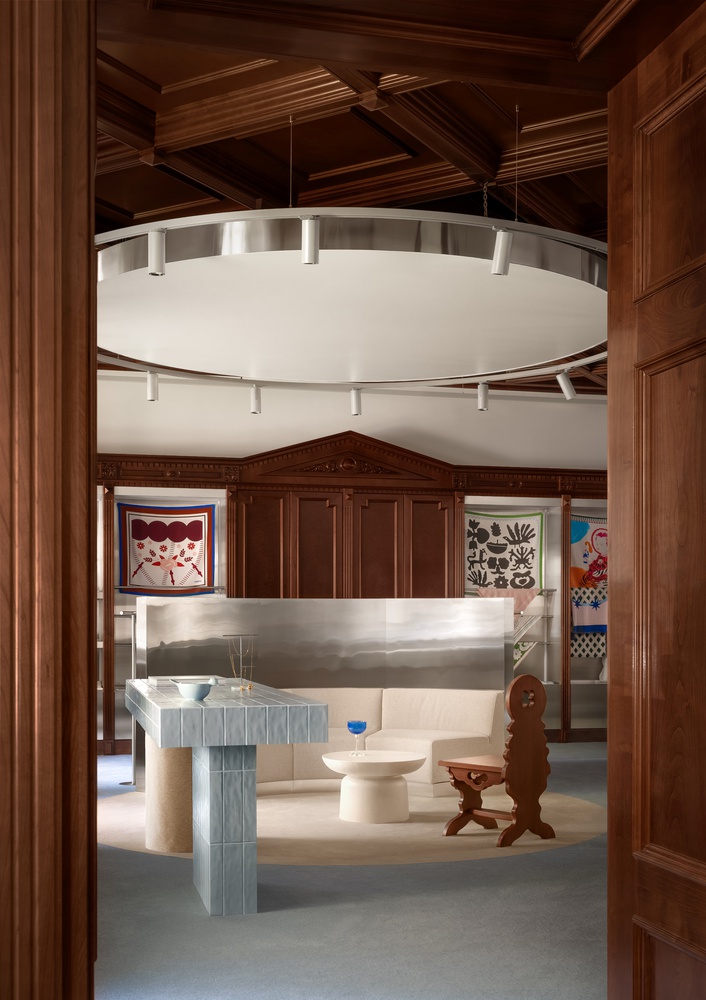
Ceramics play a key role in the interior – not only as exhibited objects, but also as an accent material for surfaces. Carpets and carpeted flooring introduce warmth and tactility. The massive mahogany cabinets, integral to the building’s heritage, were reimagined: their interior shelves were removed and replaced with slim metal structures featuring integrated lighting and glass. All other display systems remain intentionally minimal, ensuring the focus stays on Gunia Project’s objects.
Mirrors serve both functional and experiential purposes, forming a series of natural “Instagram zones” that respond to the habits of the brand’s audience. New wooden elements – a chair, a table, and the frame of a large mirror – were created specifically for the space. These unique pieces reference traditional Ukrainian woodcarving, while furniture by Ukrainian brands Noom, Woo, and Cegla Studio further anchors the project in the local design context.
Architects: Temp Project
Design Team: Kirill Khivrich, Luba Andreeva, Dana Artemenko
Office Lead Architects: Anastasiia Tempynska
Photographs: Yevhenii Avramenko
Add to collection