



Petits-Explorateurs Primary School by COEX Architecture
posted by retail design blog on 2026-06-26
Longueuil
Add to collection
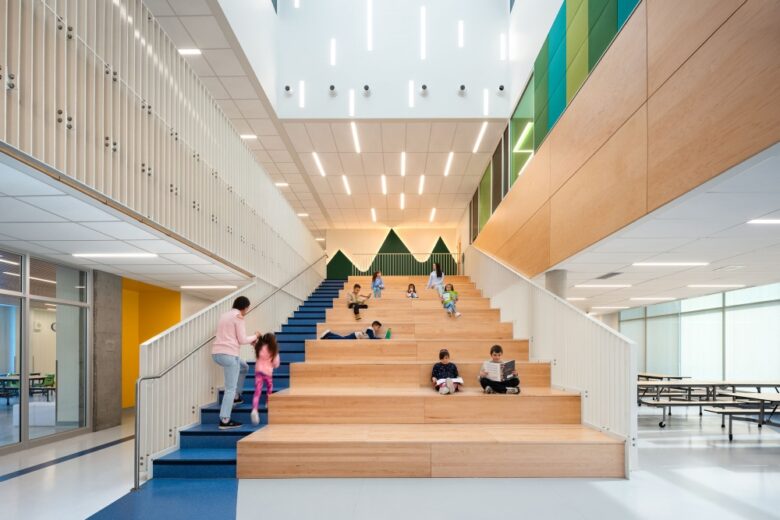
COEX Architecture designed the Petits-Explorateurs Primary School to support exploration-based learning, where environmental performance and educational methods are closely integrated.
The school is organized around the concept of a village, with 22 classrooms distributed across a series of interconnected spaces of varying sizes. Each area is anchored by communal spaces that promote interaction and intuitive navigation.
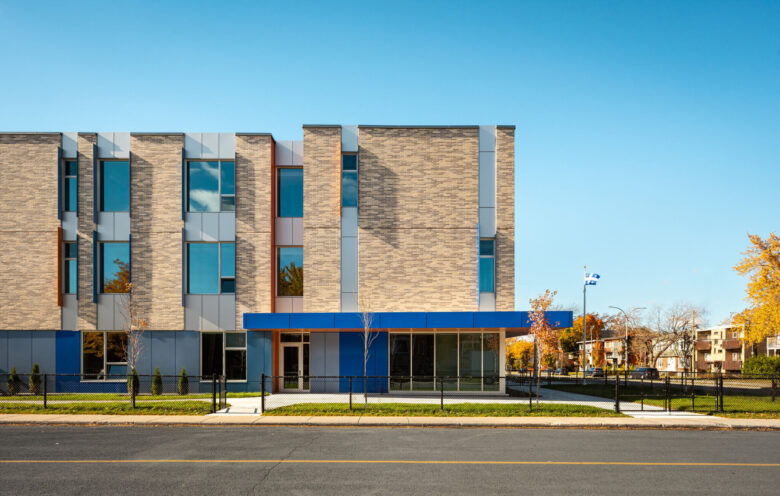
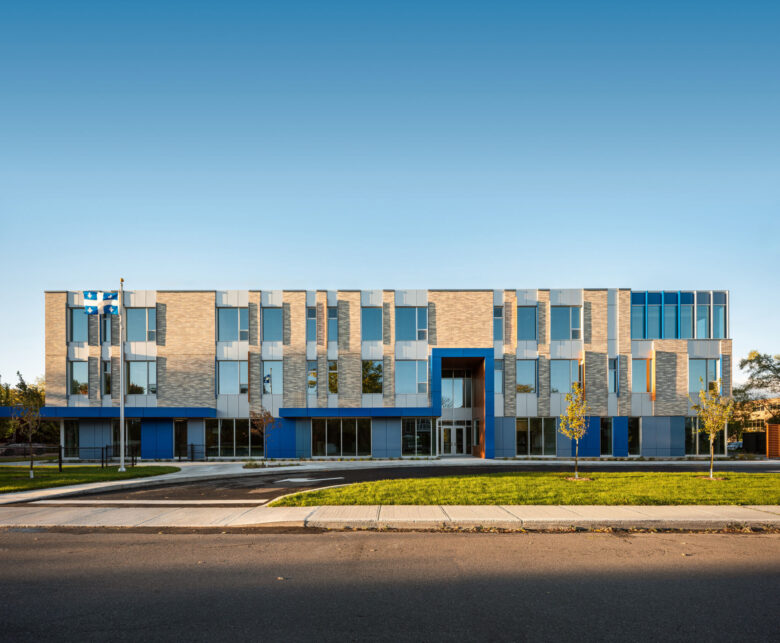
The Petits-Explorateurs school adopts a compact three-story form that accommodates the entire program within a reduced footprint, preserving outdoor space, limiting site disturbance, and improving the efficiency of the building envelope.
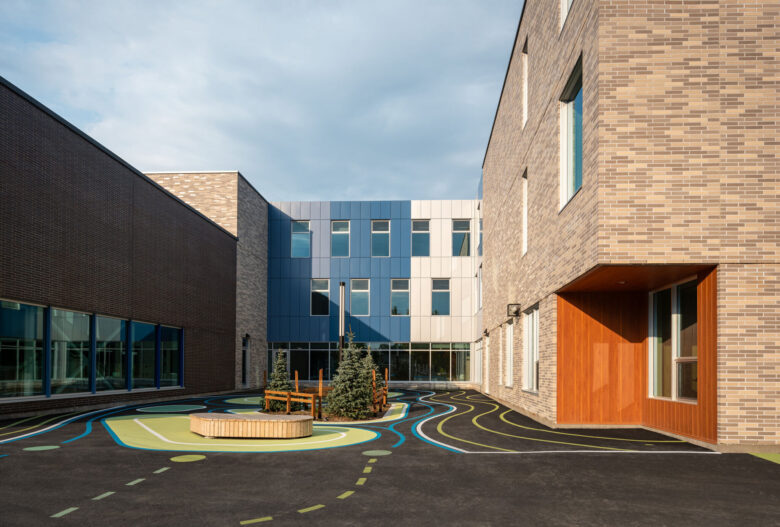
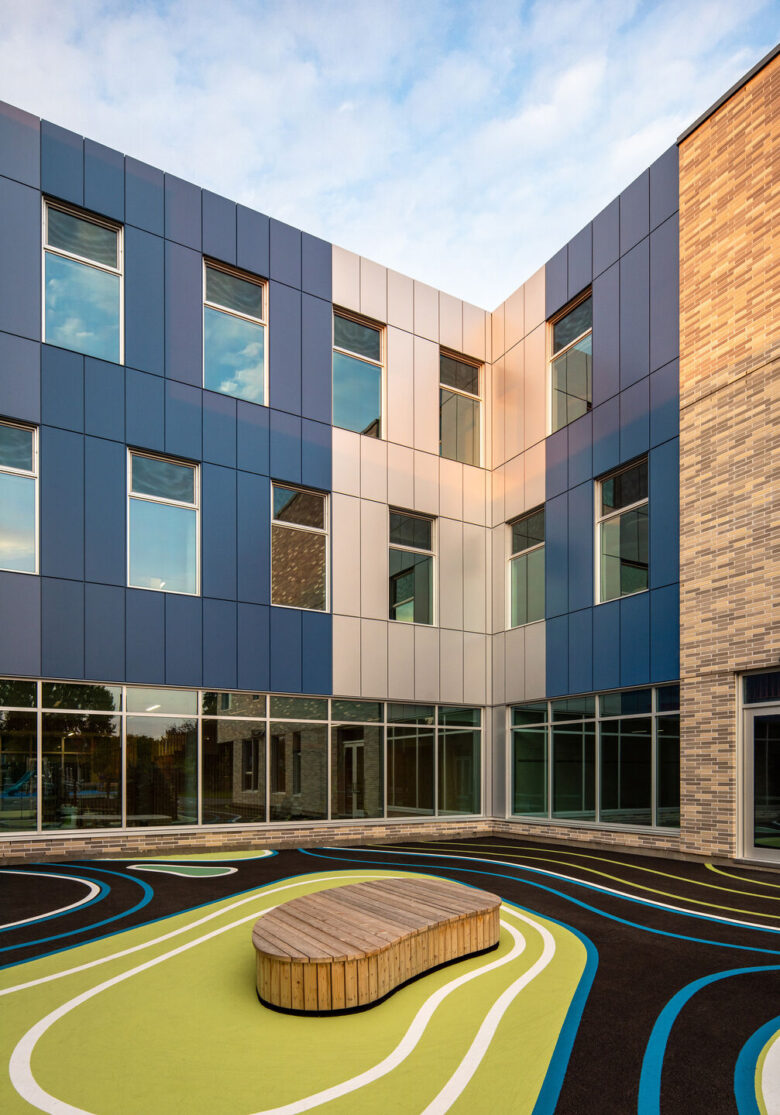
Rather than expanding horizontally, the project concentrates its mass around an interior courtyard, creating a protected microclimate and strengthening the relationship between learning spaces and the outdoors.
Materials
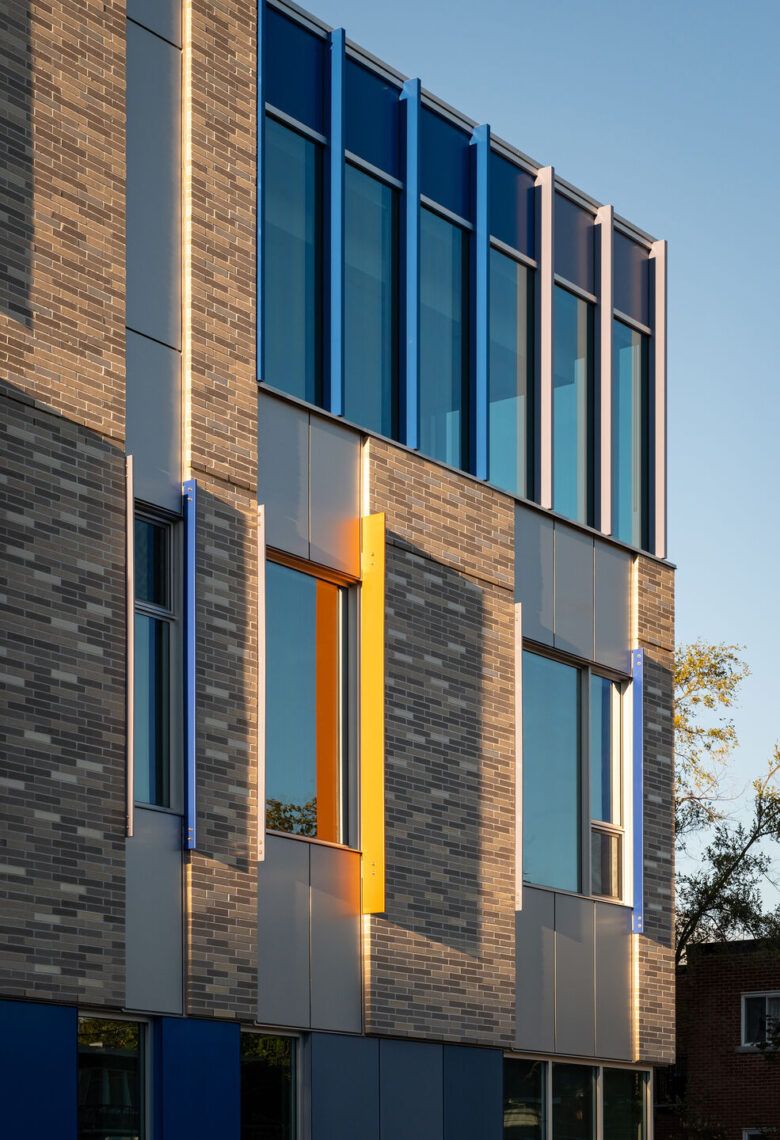
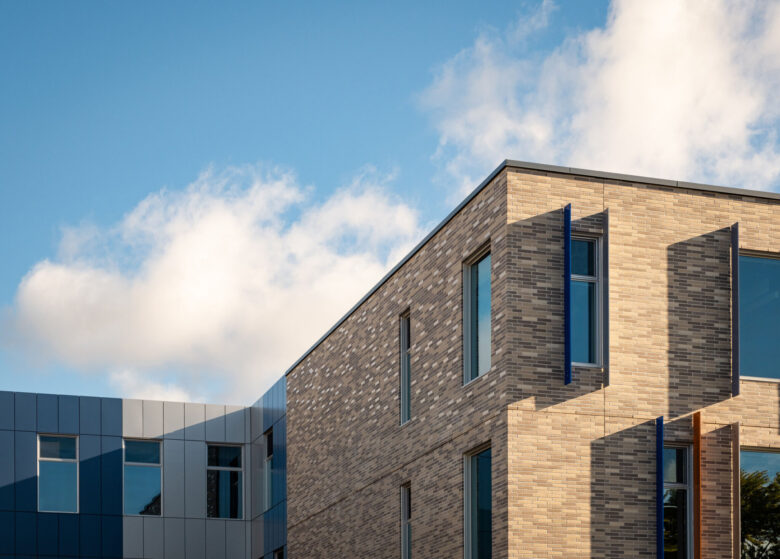
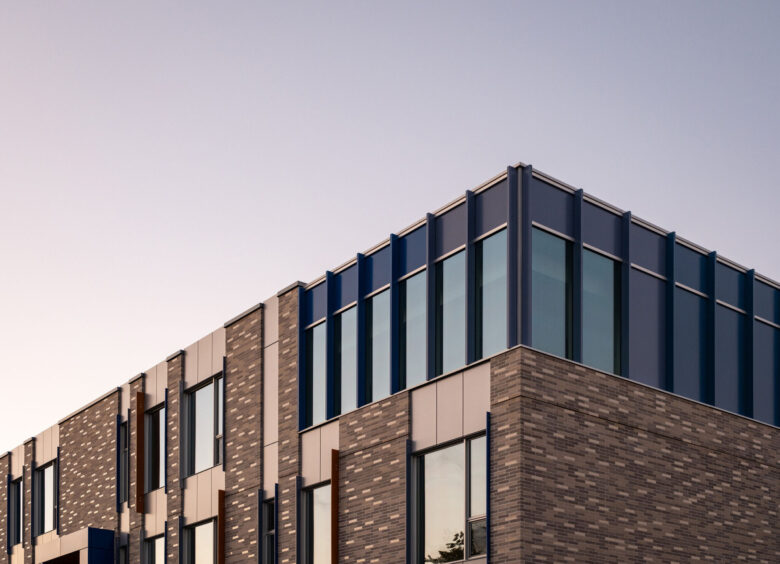
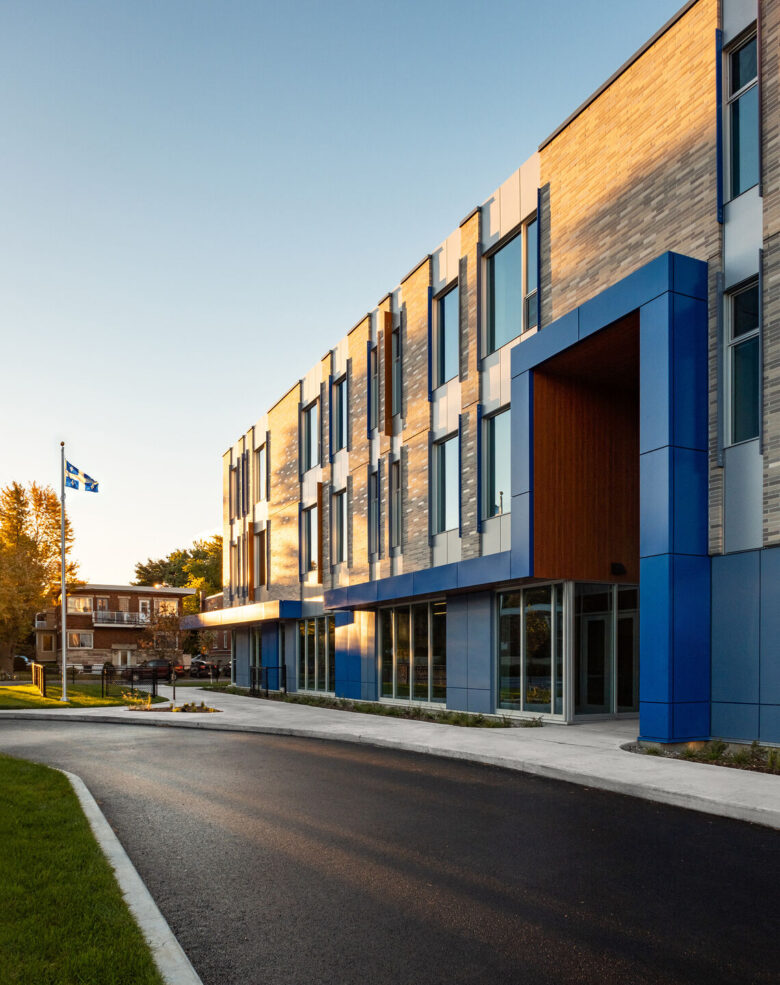
Material selection was guided by durability, local sourcing, and long-term performance. Brick, wood, and aluminum form a restrained palette rooted in regional expertise and supply chains, helping to reduce transportation-related emissions while supporting longevity.
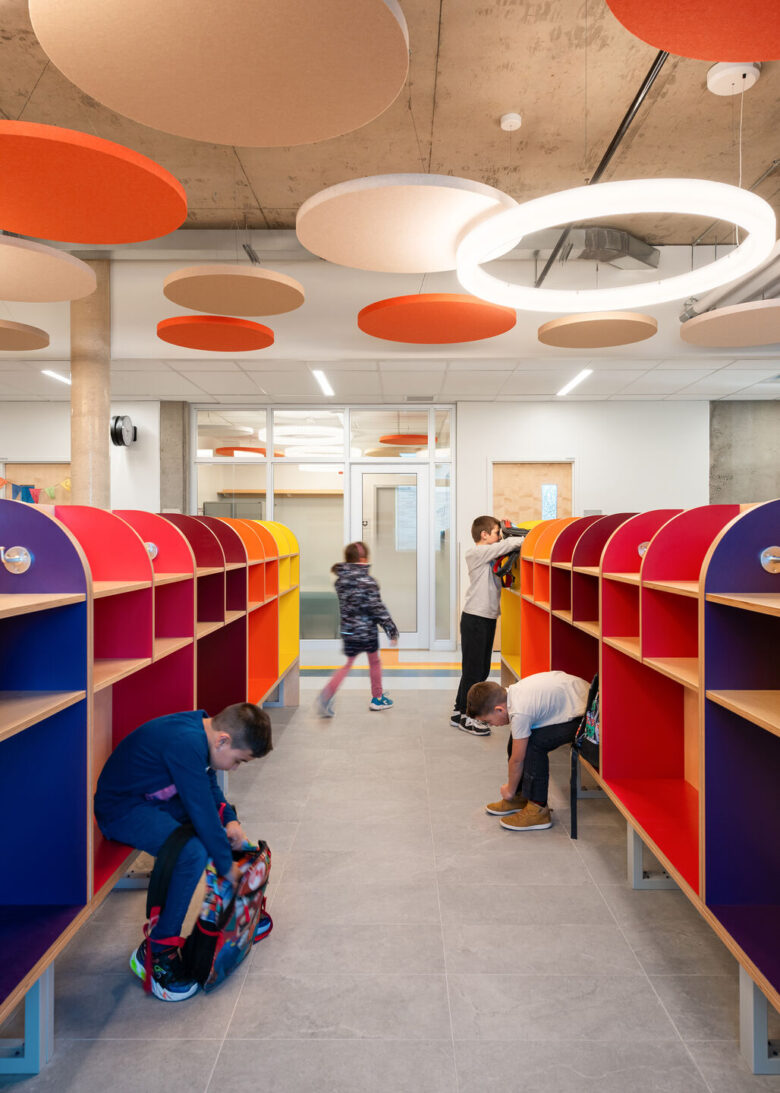
Locally sourced solid maple is integrated throughout the building, including the atrium seating, classroom doors, and interior wall cladding, while natural wood veneer is used for built-in furniture in the classrooms, library, and multipurpose spaces. The use of timber introduces a degree of biogenic carbon storage while contributing warmth and tactility to the learning environment.
Landscape for learning
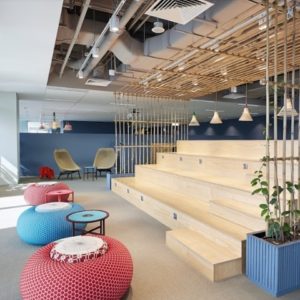
At the center of the school, a full-height atrium forms both the social and spatial heart of the building. Open to the interior courtyard, it acts as a gathering space and a primary point of orientation. Tiered maple seating activates the volume, introducing warmth through locally sourced timber while creating opportunities for informal learning and social interaction.
Inspired by the logic of the water cycle, the atrium links light, movement, and spatial cues across the building. Daylight enters through a skylight and draws students from the upper levels toward the courtyard below, while subtle shifts in color and architectural elements express different stages of the water cycle. In this way, orientation and environmental references become part of everyday experience.
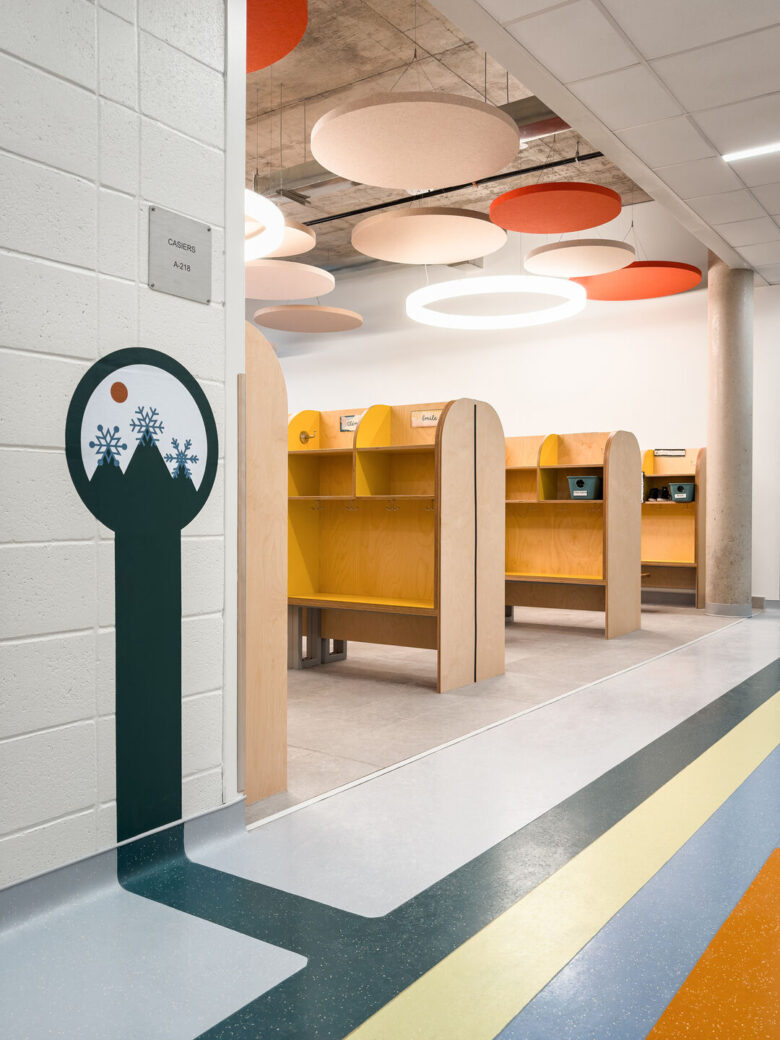
Circulation is conceived not simply as movement between classrooms but as an extension of the learning environment. Pathways in shades of blue, green, yellow, and orange act as subtle treasure hunts, guiding students through the building while introducing themes related to nature and discovery.
Designing for children and climate
Attention to scale plays a defining role in shaping the school experience. Windows are calibrated to the height of the child, supporting a continuous visual connection with the outdoors. Even in preschool classrooms, sill heights are designed so that seated students can maintain this relationship with the landscape.
The building’s environmental strategy relies primarily on passive design measures. Its compact U-shaped massing maximizes daylight access, supports cross-ventilation, and shelters the courtyard from prevailing winds. Extensive solar studies informed the placement of generous canopies and exterior sunshades that reduce overheating and glare while maintaining high levels of natural light.
These passive measures are complemented by a geothermal system that serves as the school’s primary renewable energy source, providing stable thermal comfort while reducing operational energy demand and long-term operating costs.
Using landscape as environmental infrastructure
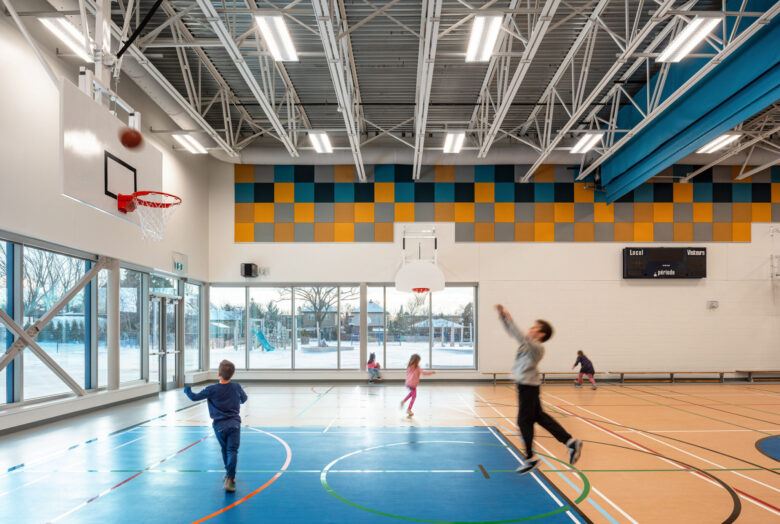
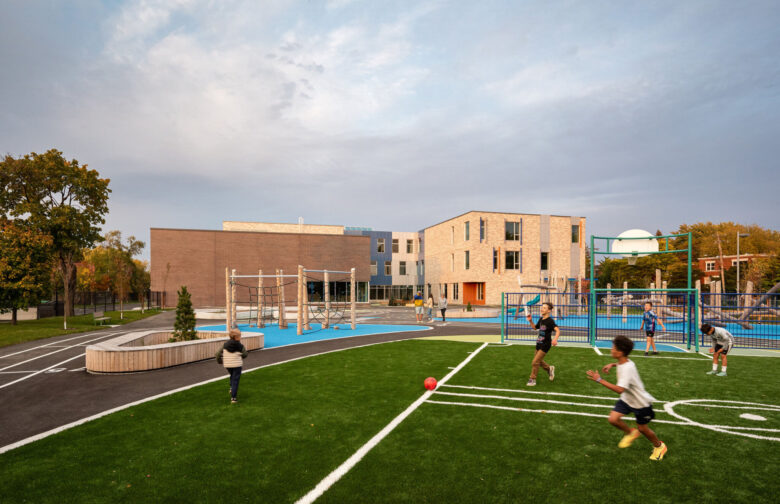
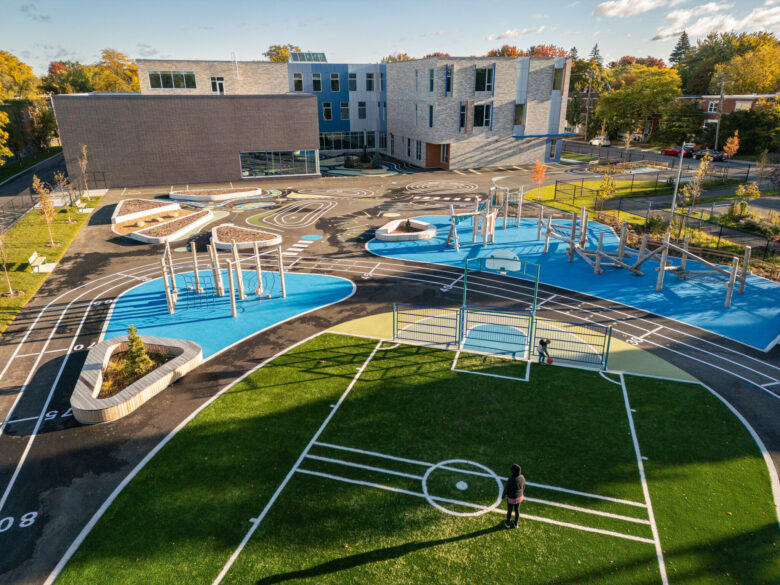
The pedagogical approach extends beyond the building envelope into a sequence of outdoor learning environments, planted areas, sports facilities, and shaded gathering spaces. Vegetation and tree planting help mitigate urban heat island effects, improve outdoor comfort, and support biodiversity across the site.
Integrated planting areas contribute to stormwater retention and reduce the extent of impermeable surfaces, while the landscape strategy exceeds municipal tree-planting requirements. Together, these interventions establish a resilient outdoor environment where nature becomes both a setting and a catalyst for learning.
Adaptability in design
Long-term adaptability was considered from the outset of the project. Classroom layouts are designed to accommodate evolving pedagogical approaches and future programmatic changes, allowing spaces to be reconfigured over time without significant intervention.
Several components were also designed with reuse and disassembly in mind. The exterior aluminum sunshades are demountable and can be adjusted, removed, or repurposed as site conditions evolve. Similarly, the atrium guardrails were detailed to allow straightforward disassembly and future modification.
By combining passive environmental strategies, durable locally sourced materials, and design-for-disassembly principles, the school shows how educational architecture can support both environmental performance and long-term adaptability while creating spaces that encourage curiosity, orientation, and discovery.
Architects: COEX Architecture, Ruccolo Faubert Architectes
Landscape Architects: Turquoise design
Photography: Vincent Brillant
Add to collection