




Curves and Continuity Define Sneaker and Streetwear Store in Delhi
posted by Tandon on 2026-03-11
Delhi
Add to collection
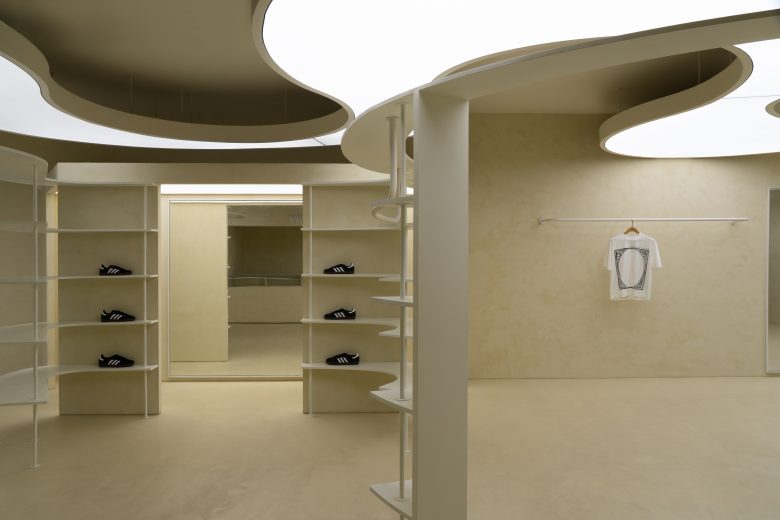
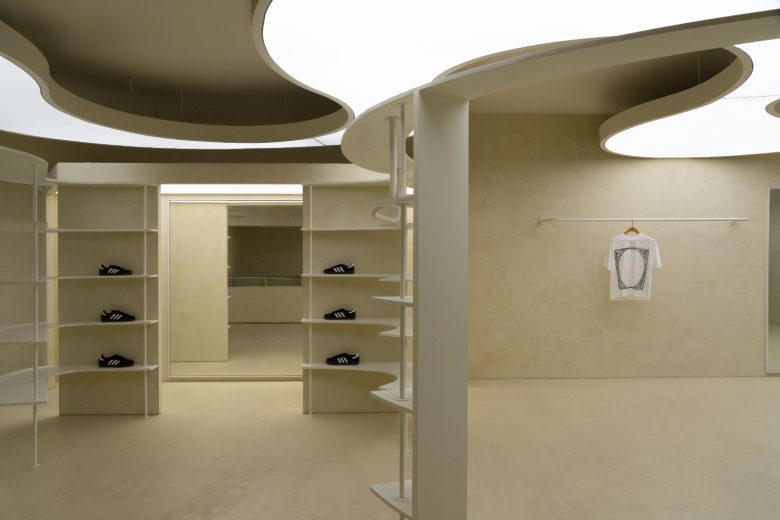
In a city where retail often gravitates toward spectacle, Dawntown advances a quieter proposition: a store conceived as movement. Located in Delhi’s Greater Kailash II, the project translates sneaker culture through spatial choreography rather than graphic excess, allowing architecture to carry the energy of the street.
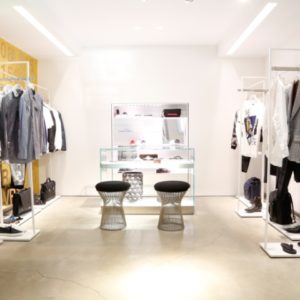
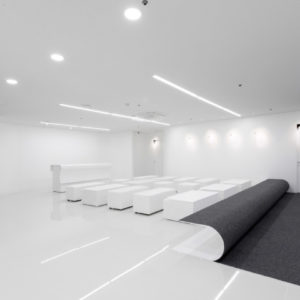
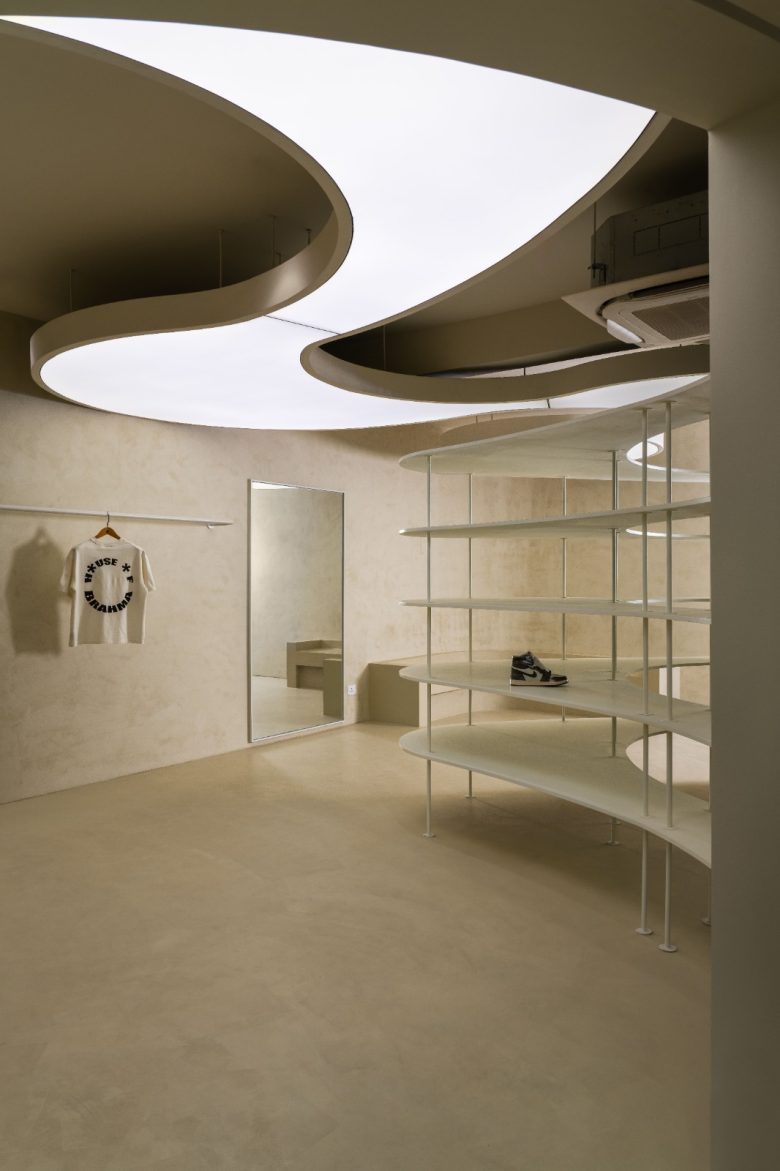
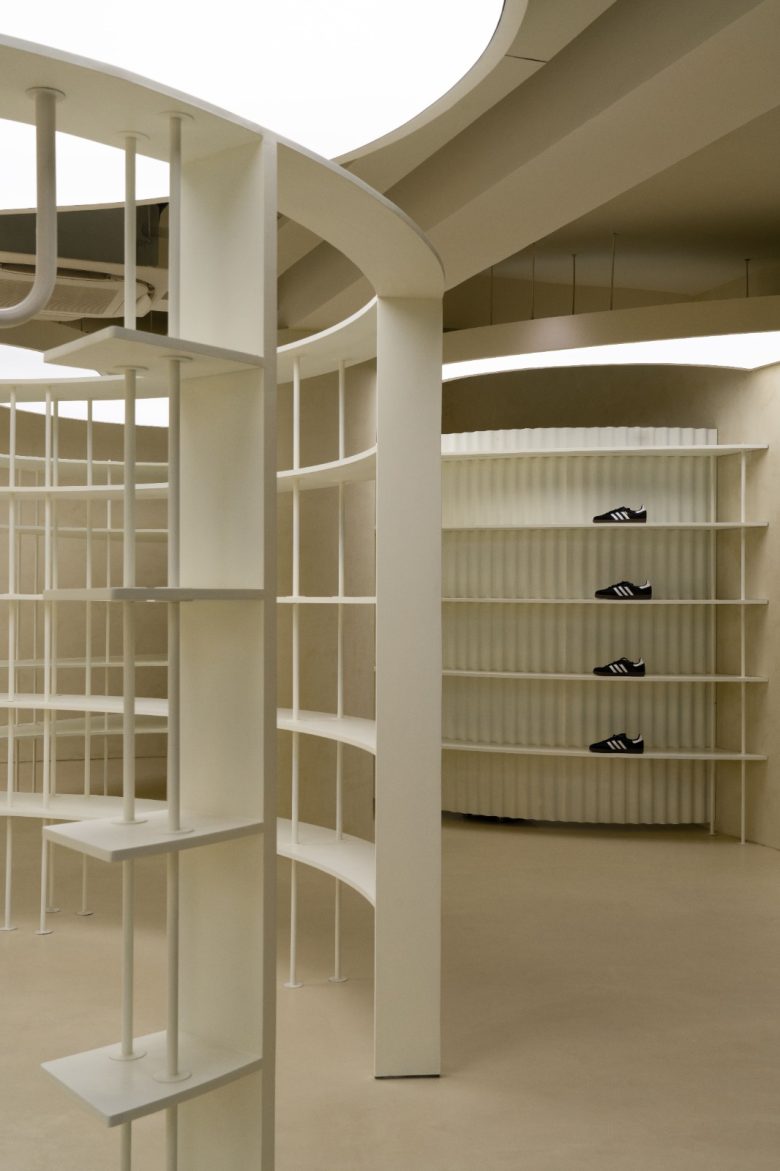
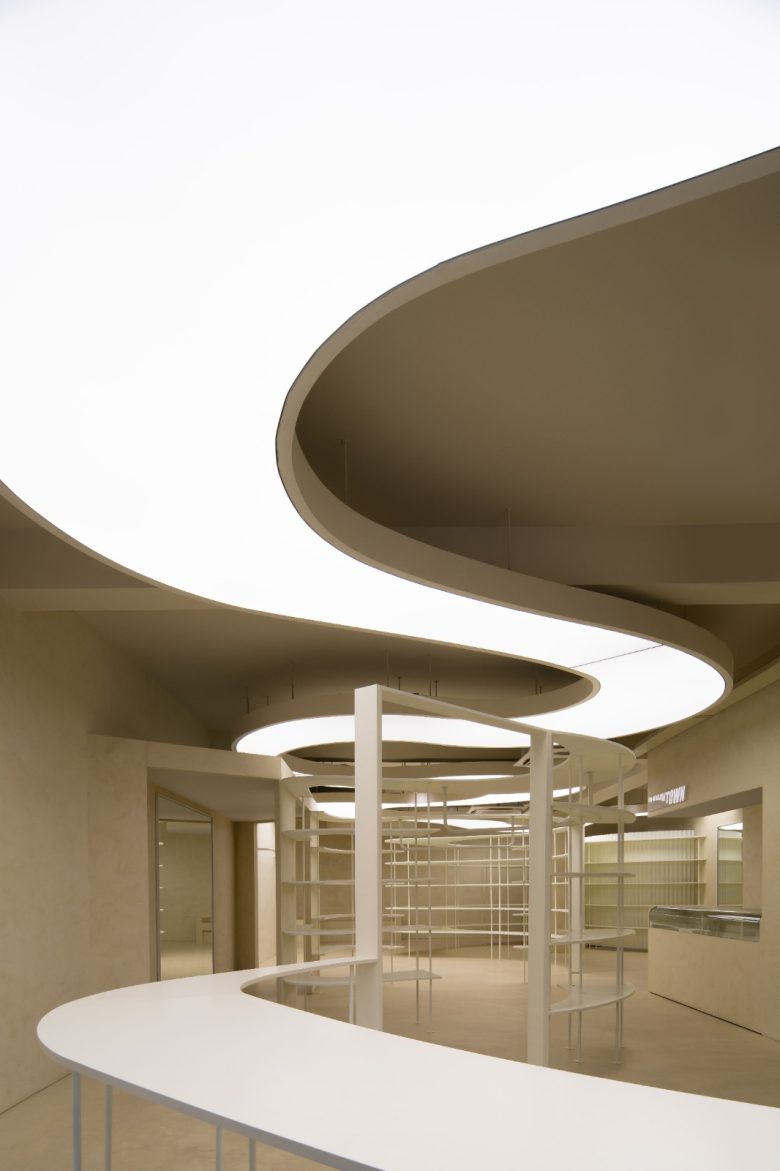
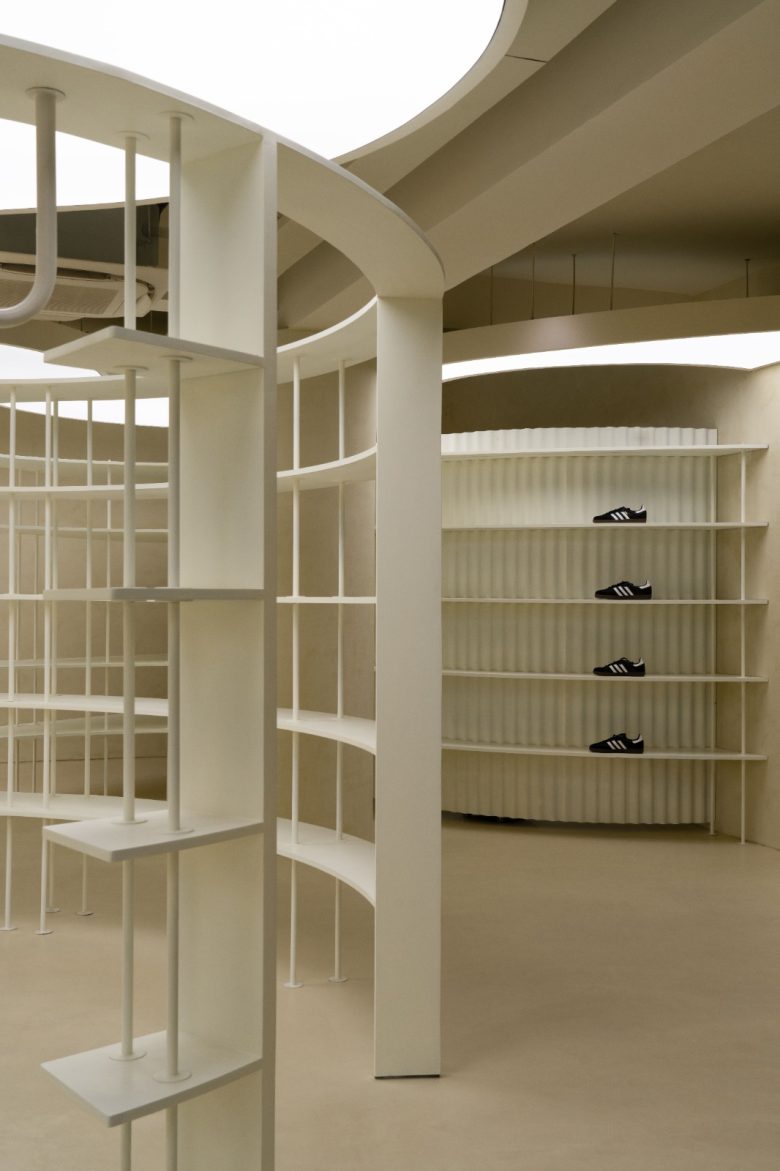
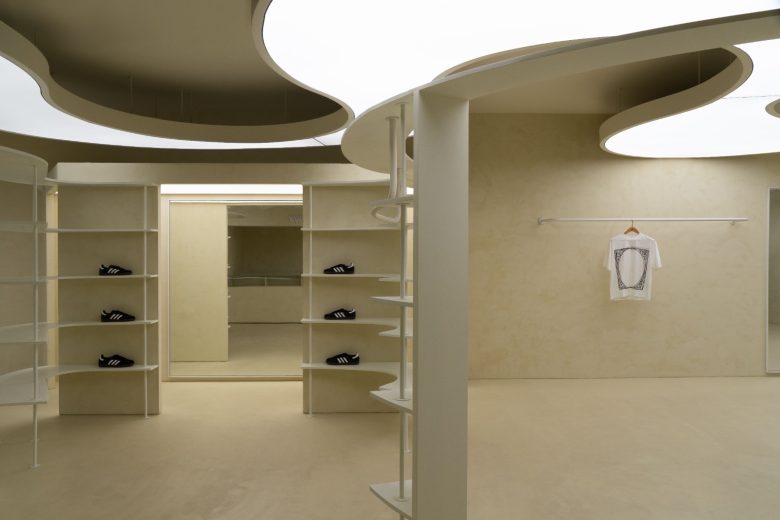
Designed by Metanoia Designs LLP, the ground floor is organized around a continuous spiralling element that operates simultaneously as display, circulation, and spatial anchor. Sneakers are embedded within this fluid structure, encountered from shifting vantage points as visitors move intuitively through the space. Browsing becomes exploratory, guided by curiosity instead of prescribed routes.
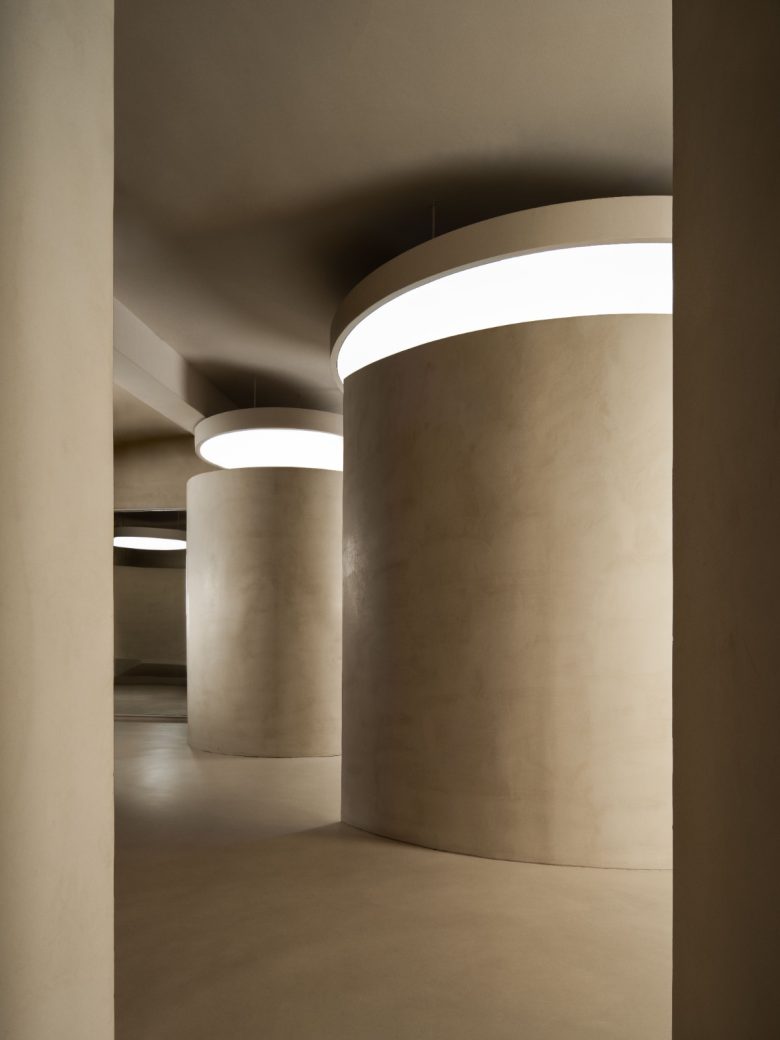
The plan avoids rigid pathways, unfolding through curves and subtle transitions. A restrained material palette and controlled lighting recede deliberately, enabling form and product to define the atmosphere without distraction.
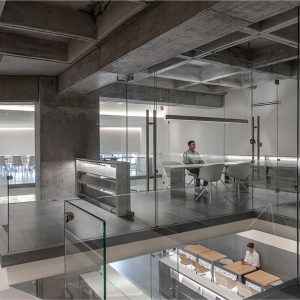
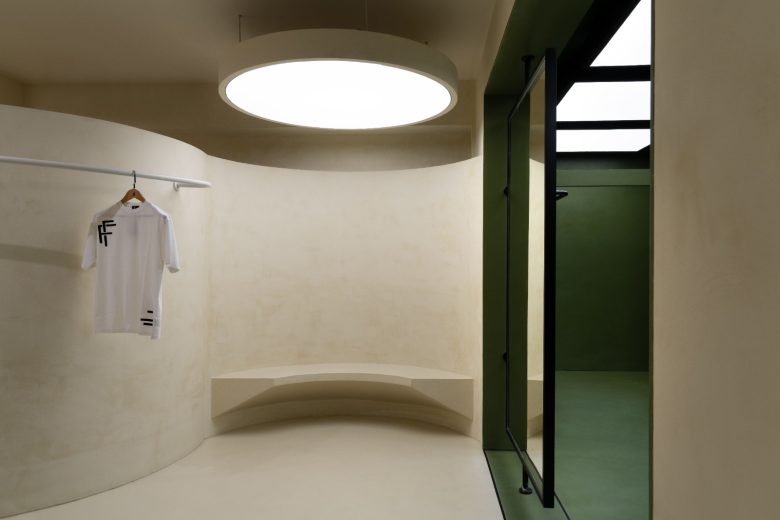
On the first floor, low curving partitions create intimate zones for Indian streetwear labels. These sculptural pockets conceal trial rooms and reveal collections, transforming merchandising into a sequence of spatial encounters.
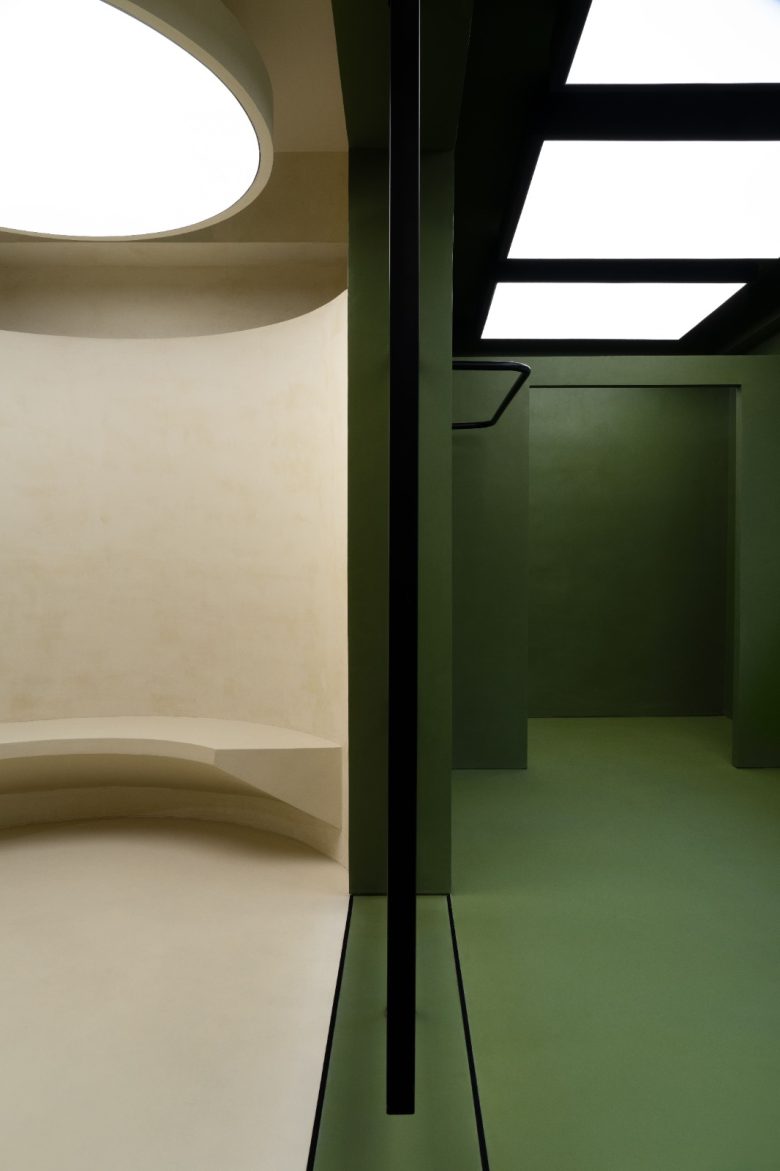
At the street-facing edge, a sharply defined olive-toned cuboid houses rare, high-value pieces, introducing contrast through stillness and geometric clarity.
Balancing minimalism with expression, Dawntown reframes retail as cultural infrastructure.

Add to collection